




Our Project

Europen Heritage Project

Our Mission

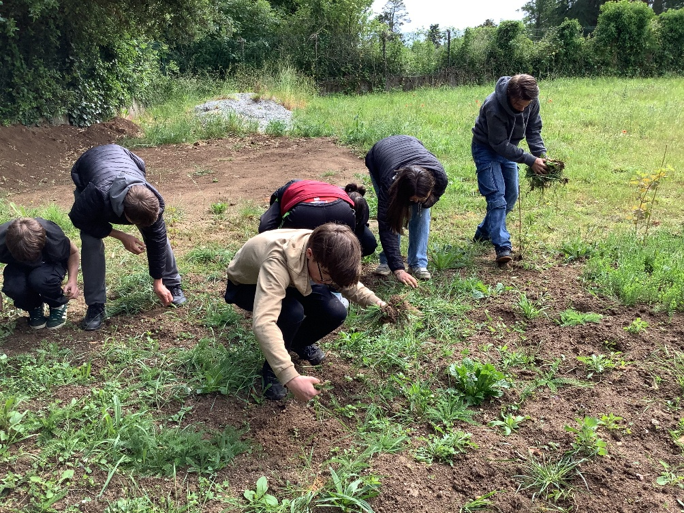
The aim of the “European Heritage, let’s cultivate our garden, let’s share our table” project is to enable pupils to gain a concrete, hands-on understanding of the impact of their actions on building the world of tomorrow, with a focus on environmental issues, social inclusion and European citizenship. Developed by a network of secondary schools and non-formal education organisations, the project targets pupils with disabilities (RO), learning difficulties (FR) and those in mainstream education (PL). Rooted in practical experience, the project promotes self-awareness, openness to others and the development of initiative.

Each participating school cultivates a food garden, which serves as a basis for learning and for transforming produce from the garden to the table. Pupils create short video clips and recipes that are shared on a project website. These activities are complemented by meetings with professionals. Artistic creations enrich pupils’ personal learning pathways. Transnational meetings support the sharing of experiences and the practice of a foreign language.

In parallel, adult educators develop an educational toolkit adapted to learners with special educational needs.

Project Objectives

Sustainability

Promote a sustainable approach to crops and the processing of harvested products

European Exchange

Encourage the sharing of experiences at the European level

Self-esteem

Improve students’ self-esteem and their social integration

Pedagogical Skills

Enrich the pedagogical and environmental skills of adults

Sustainability

       Concrete results:


  • educational vegetable gardens and orchards in each country for the production of potatoes, cabbages, buckwheat, and apples

  • an international recipe booklet

  • knowledge of professions related to agriculture, catering, or the environment

  • actions and taking responsibility in the field of environmental protection

  • scientific skills acquired (knowledge and practices) and compared according to the environmental constraints of the countries

European Exchange

        Concrete results:

  • video clips about crops and individual portfolios documenting the actions carried out

  • wide dissemination of the project website

  • enhanced digital skills

  • artistic creation disseminated to a wide audience

  • promotion of sustainable development and Europe through voluntary and active participation in local events

Self-esteem

        Concrete results:

  • understanding the importance of local heritage while developing a European perspective

  • knowledge of one’s own country and two other countries

  • better understanding of the European dimension and the priorities of the European Union

  • experience of at least one mobility activity in a partner country

  • strong bonds among participants

  • improved language skills

Pedagogical Skills

        Concrete results:

  • a pedagogical toolkit for teachers on innovative practices with a sustainable development perspective

  • increased attention to the environmental impacts of the project’s actions, and more broadly of European partnerships

  • use of educational methods that encourage creativity, collaboration, and intercultural communication