
Eco Practices
Romania
Organic and Biological Practices
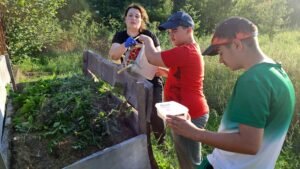
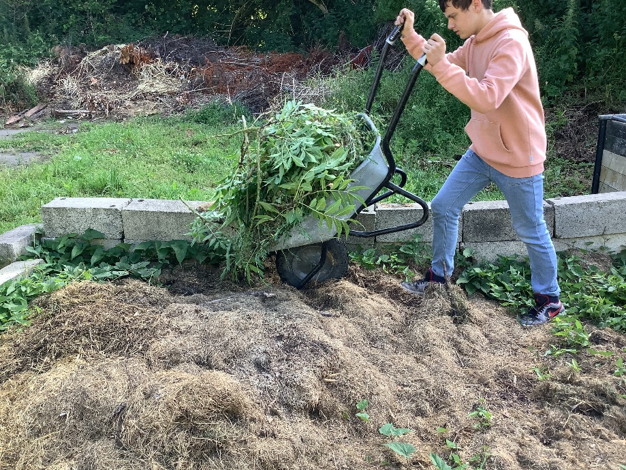
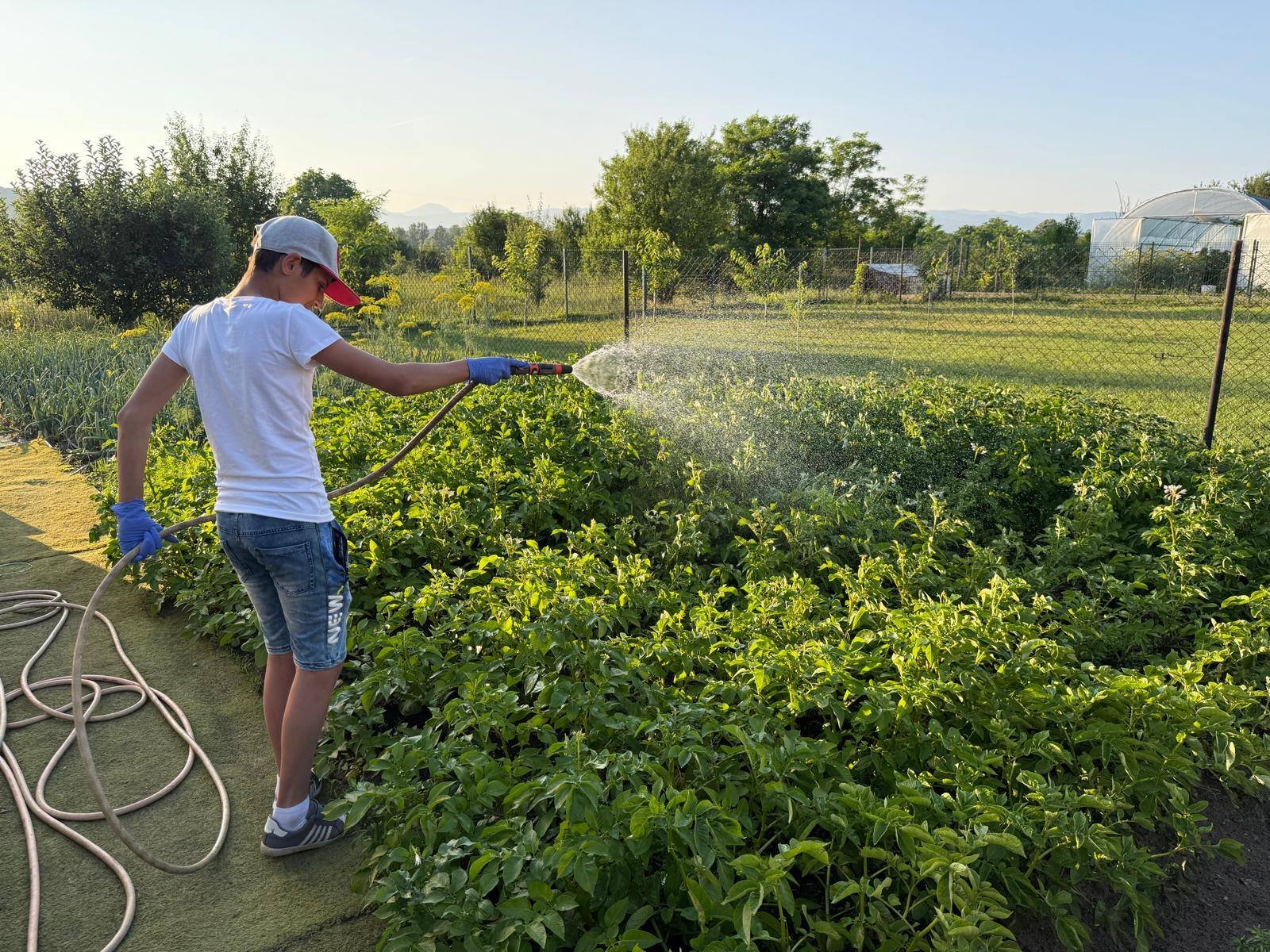
In Romania, the project garden was managed using environmentally friendly, organic methods that prioritised soil health and biodiversity. Natural fertilisation was ensured through the use of manure applied in spring and compost made from plant waste such as leaves, grass and dry stems. Pest control was carried out without chemicals: students manually collected Colorado potato beetles from potato crops. This hands-on approach not only protected the soil and surrounding ecosystem but also served as a practical lesson in organic farming and environmental responsibility.
Zero-Waste Activities and Workshops
Several zero-waste activities were embedded into daily garden work. Students composted vegetable and garden waste to create natural fertiliser, learned manual pest control methods, and reused everyday materials such as bottles, jars and boxes for garden tasks. Seed saving was also introduced: cabbage seeds and potato tubers were kept for the following growing season, promoting self-sufficiency and reducing dependency on external resources. In addition, students created an eco-information corner with posters made from recycled materials to raise awareness about composting, soil protection and organic agriculture.
Ensuring Zero Waste in Food Production
Zero-waste principles guided all stages of food production. All plant waste was composted and returned to the soil, chemical products were avoided entirely, and part of the harvest was reused as seed for future cultivation. Recycled and existing materials were used whenever possible alongside essential new equipment. Through these practices, students learned how food can be produced responsibly, with minimal waste and no negative impact on the environment.
France
Organic and Biological Practices
In France, the project focused on reflection and gradual implementation of organic practices. Manual weeding was carried out and plant waste was composted. The team also began working on future improvements, including crop rotation and the careful, responsible use of compost, with the aim of building a sustainable and balanced gardening system over time.
Zero-Waste Activities and Workshops
While large-scale workshops were still under development, zero-waste thinking was integrated into practical activities. During cooking and food-related tasks, peelings were directed to compost and packaging materials were sorted for recycling. These everyday actions helped introduce students to waste reduction through simple, consistent habits.
Ensuring Zero Waste in Food Production
Zero waste was ensured by composting organic leftovers and recycling packaging materials. The project also linked gardening with broader environmental education. During the Biodiversity Day on 5 June, students took part in activities such as a conference on hedgerow landscapes and water management, as well as a presentation on global waste sorting. These events strengthened their understanding of biodiversity, waste reduction and sustainable practices beyond the garden itself.
Poland
Organic and Biological Practices
In Poland, organic practices focused on composting and plant protection through natural means. A simple school composter was set up in a safe area of the garden, allowing students to transform vegetable waste into natural fertiliser for vegetable beds. Cold frames were used to support plant growth, protecting crops from pests, wind, rain and excessive sunlight, while reducing the need for chemical interventions.
Zero-Waste Activities and Workshops
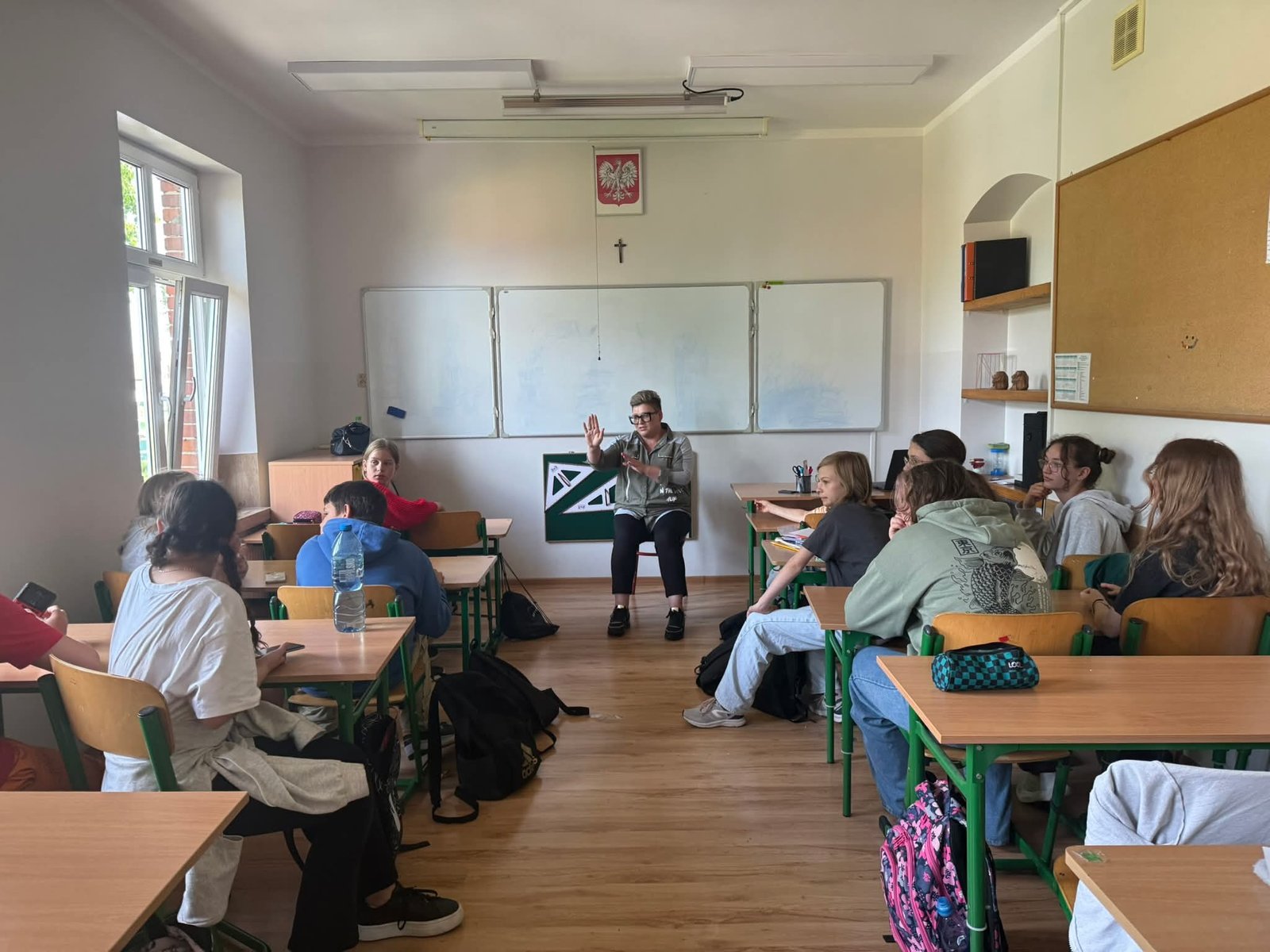
Students took part in workshops on composting food waste, where they learned to distinguish between biodegradable and non-biodegradable materials. Together, they established and maintained the school composter, regularly adding vegetable peelings, withered leaves and garden leftovers. Another important activity was watering the garden using collected rainwater, reinforcing the idea of conserving natural resources and reducing waste.
Ensuring Zero Waste in Food Production
Food production followed a simple but effective zero-waste principle: all organic waste was composted and reused in the garden. This closed-loop system helped students understand how waste can become a valuable resource in sustainable agriculture.