Romania - From the Garden to the Table: A Year of Shared Discovery
Growing and Protecting the Garden
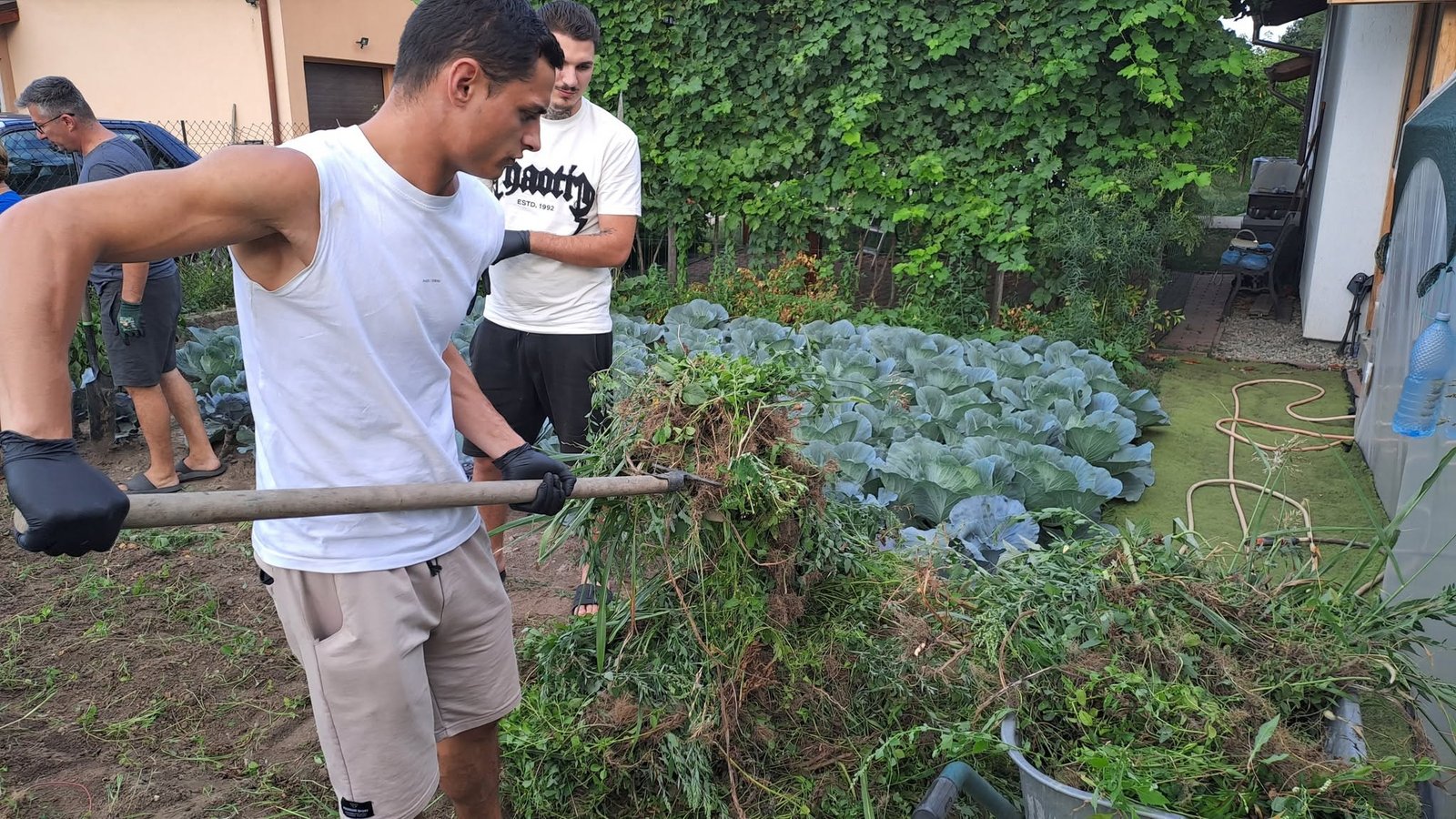
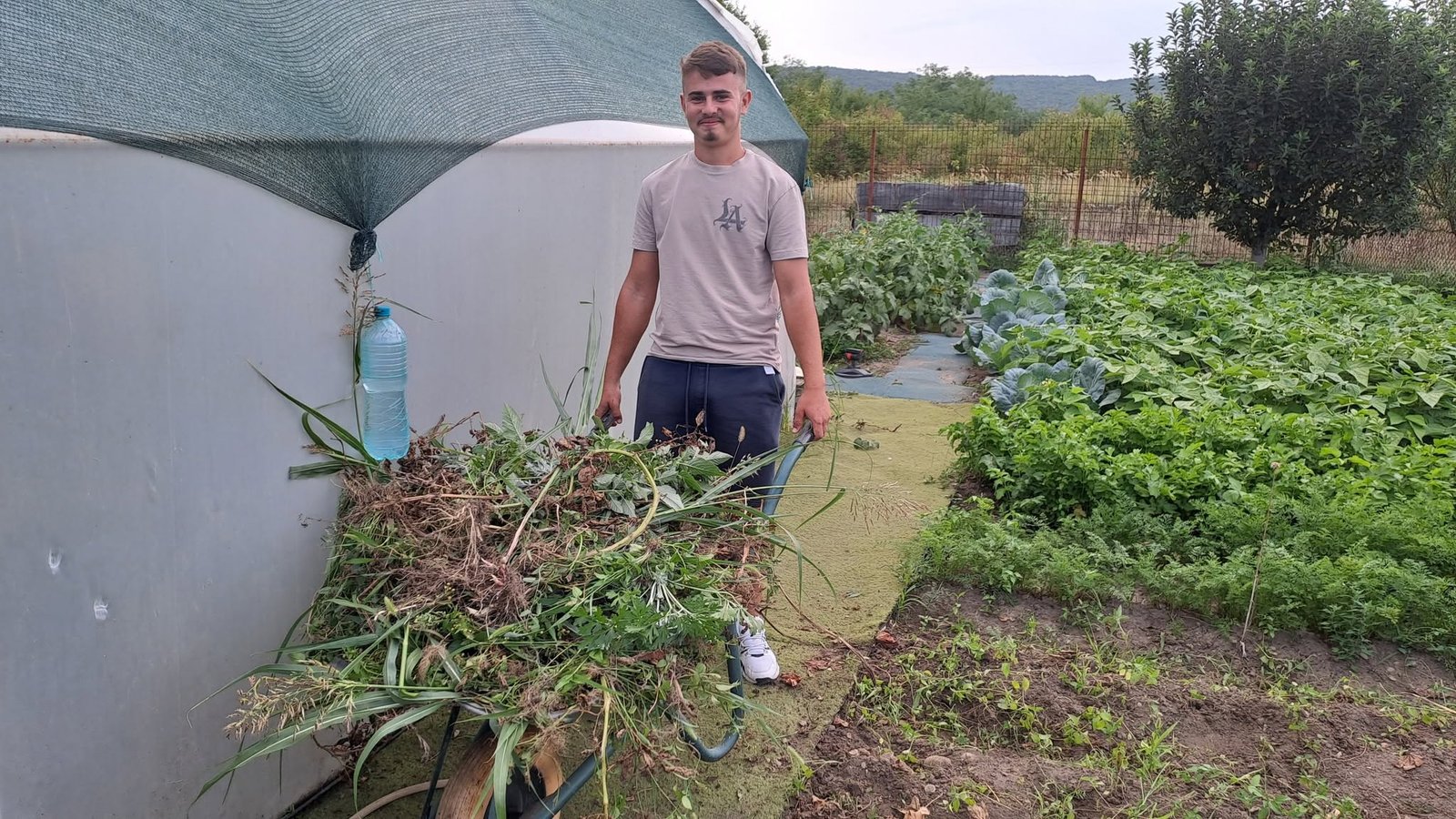
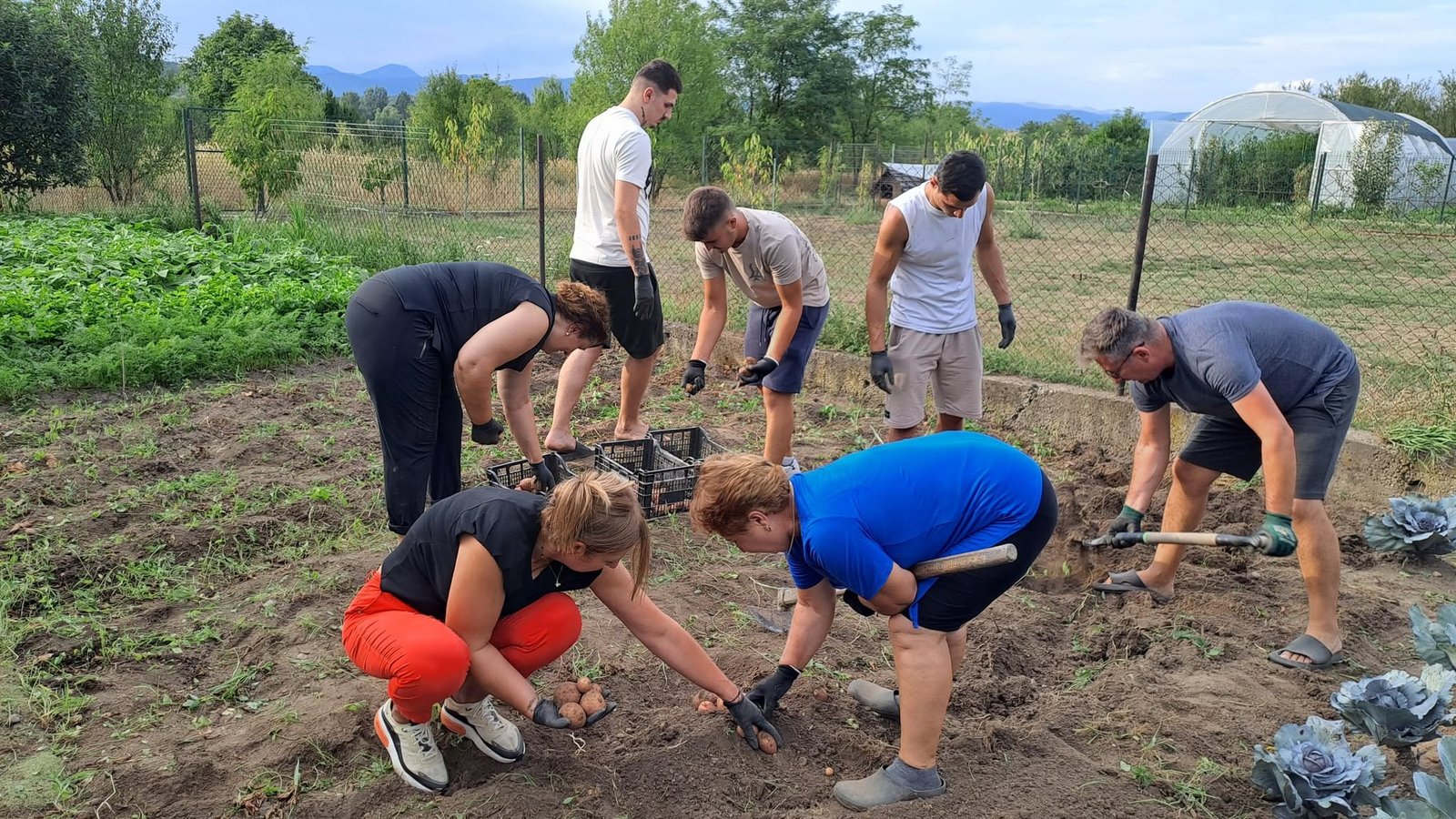
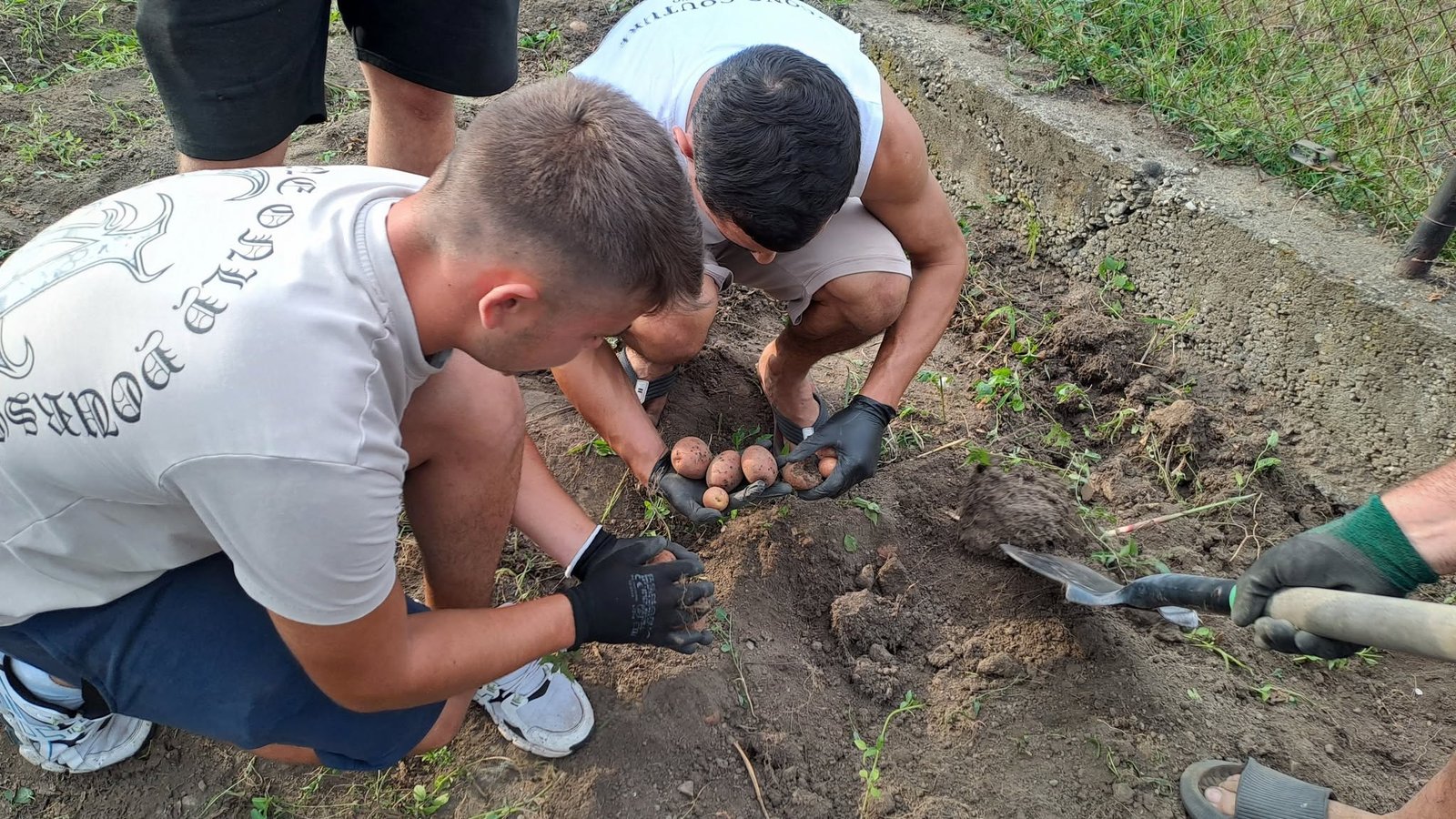
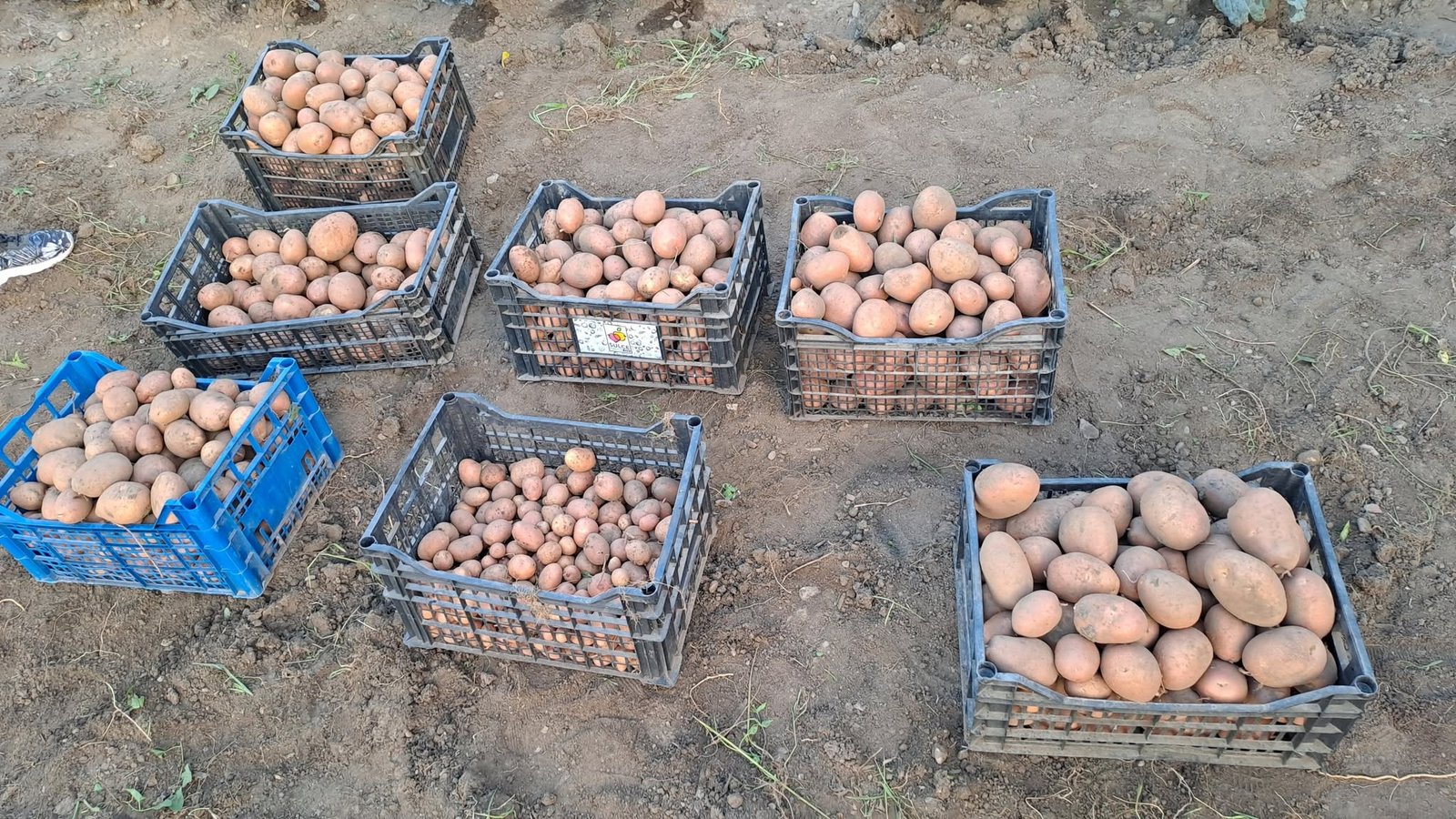
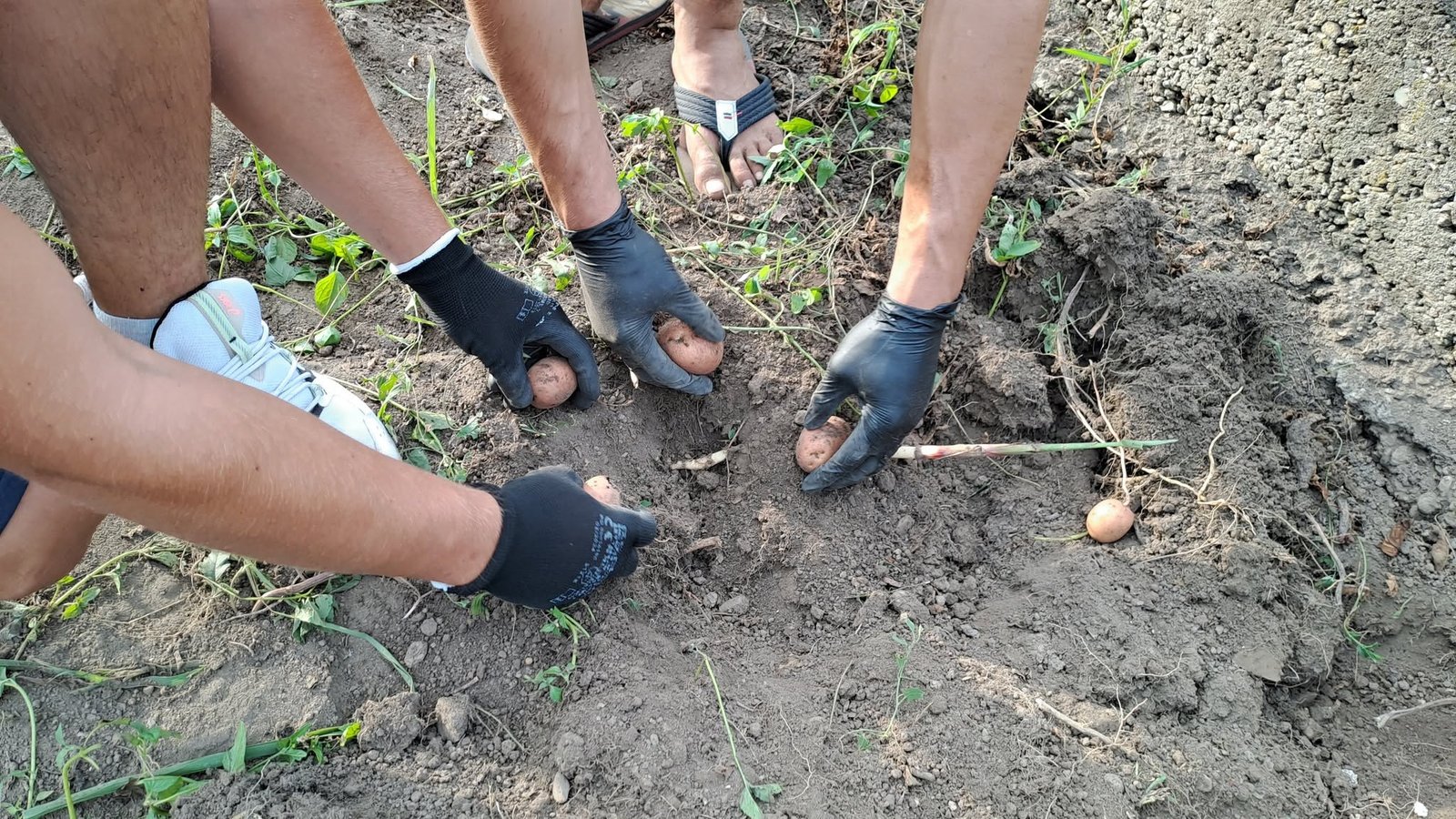
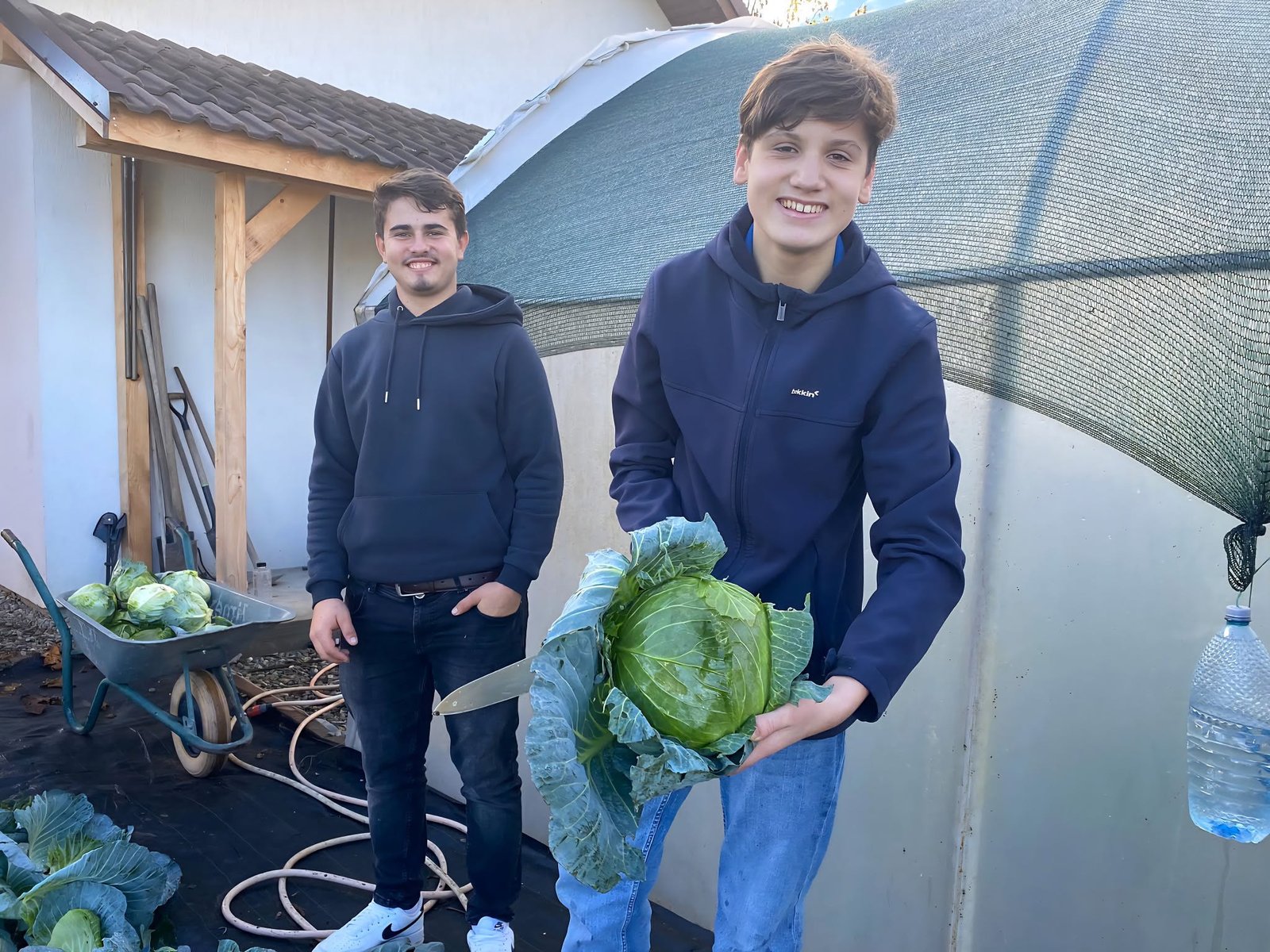
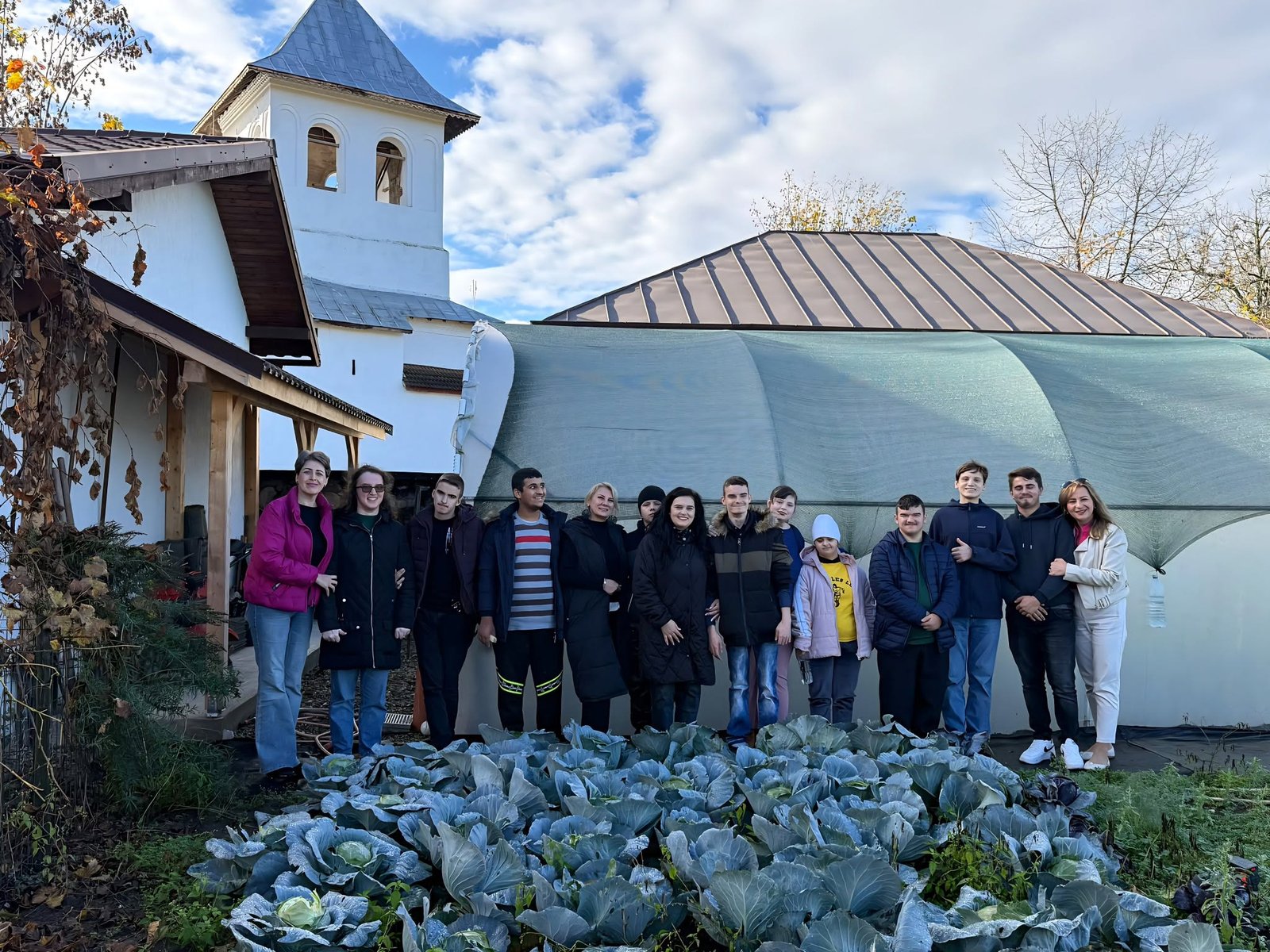
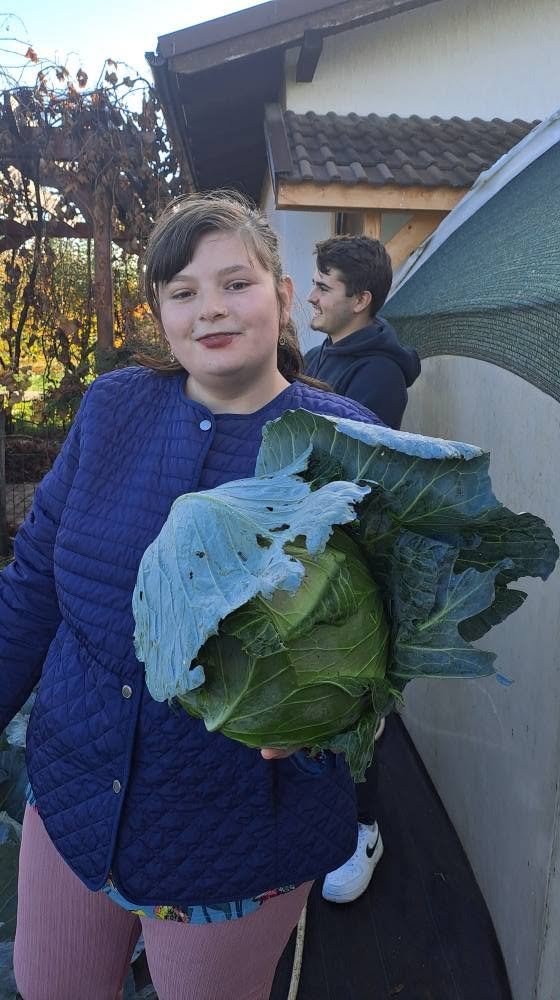
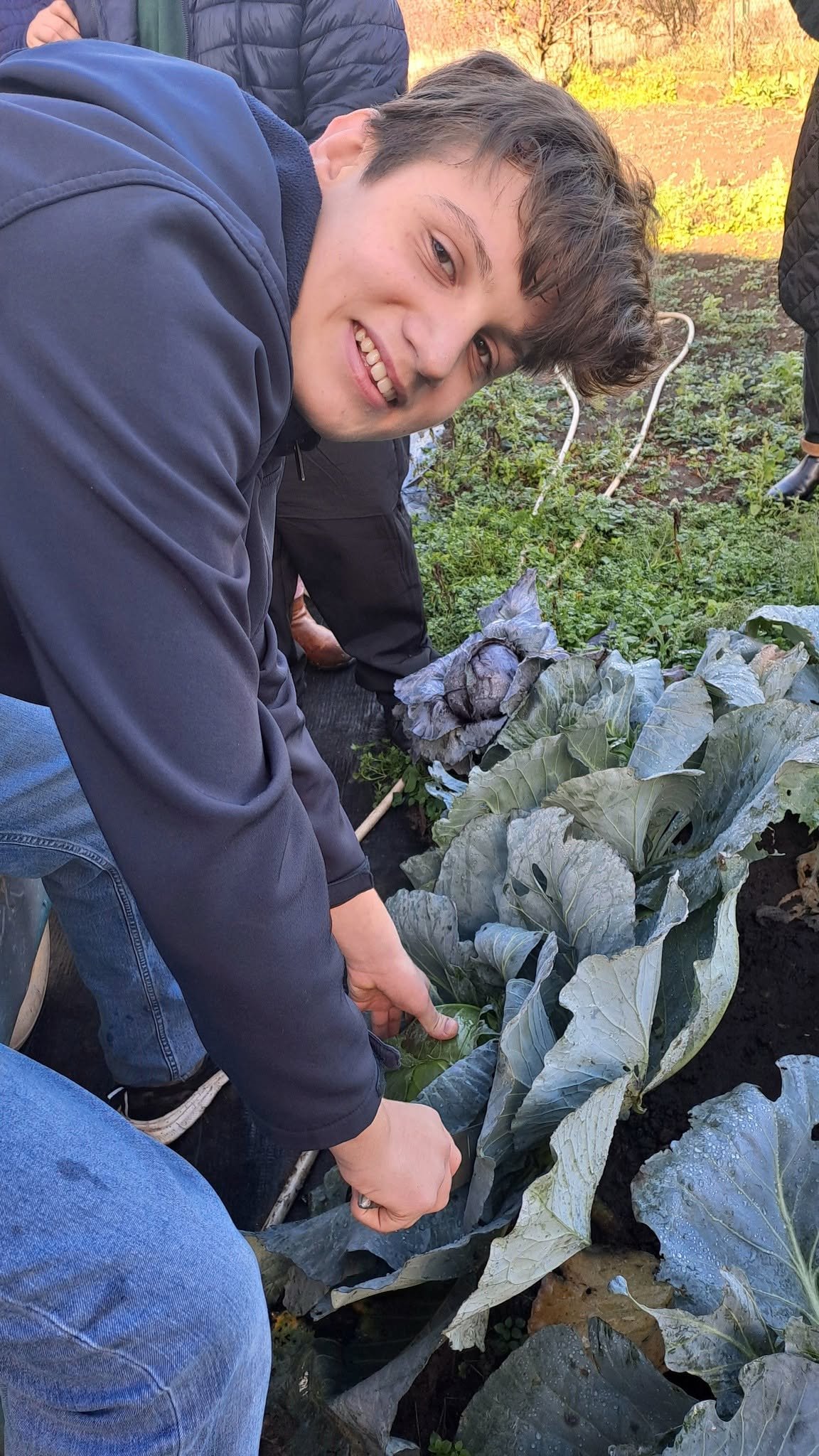
In its second year, the Romanian partner school’s educational garden continued to take shape and mature. Since the school itself lacks grounds suitable for cultivation, the garden has been set up in the yard of teacher Simona Sgondea’s home — close enough to the school to allow students to take part regularly in planting and maintenance. On its modest plot of around 150 m², the space has nonetheless been used efficiently, giving students genuine, hands-on experience of small-scale agriculture. In early spring, students helped prepare the land, loosening and naturally fertilising the soil ahead of the new growing season, before planting potatoes in March. Autumn cabbage followed in June, to be tended through the summer months and harvested later in the year. A notable addition this year was a shading and hail-protection system, built together with the students to safeguard the crops against the hailstorms that are a frequent hazard in the region — a very concrete lesson in how modern agriculture must adapt to increasingly extreme weather. In total, more than 50 students and 10 teachers took part across the season, contributing to every stage from soil preparation to ongoing crop care, and developing along the way a real sense of responsibility, teamwork and respect for nature.
Students at Work
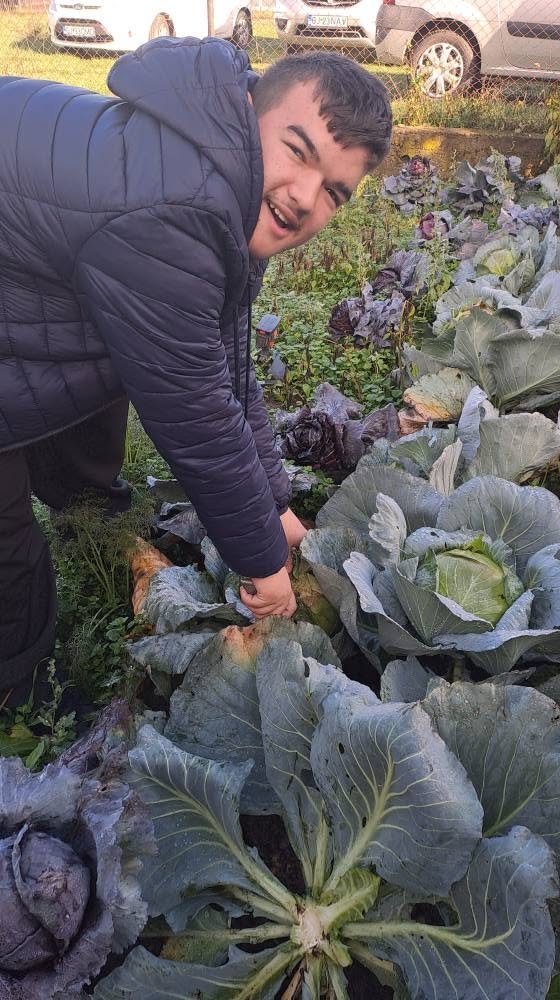
Building on the knowledge and skills gained in the project’s first year, students took on noticeably more responsibility this time round. Where cabbage seedlings had previously been bought in, this year the students sowed the seeds themselves and raised their own seedlings from scratch, following the whole growth process through to planting. They also planted potatoes saved from the previous year’s harvest, putting into practice ideas about seed conservation discussed the season before, and — as a new experiment — grew a batch of potatoes in bags alongside those in the ground, so they could observe and compare the two methods. Throughout the growing season, students carried out regular maintenance: weeding, hoeing and watering, all the while monitoring plant development and applying what they had learned. Crop protection became a shared project in itself, with students helping to design and build the shading and hail-protection structure. Pest control stayed strictly natural: Colorado potato beetles were removed from the plants by hand, without any use of pesticides, giving students a direct understanding of biodiversity and environmentally friendly growing methods. To make better use of the plant waste generated by all this activity, the group also built a larger compost bin than the one used the year before, turning garden trimmings into natural fertiliser and reinforcing lessons about recycling and the circular economy.
A Taste of the Garden
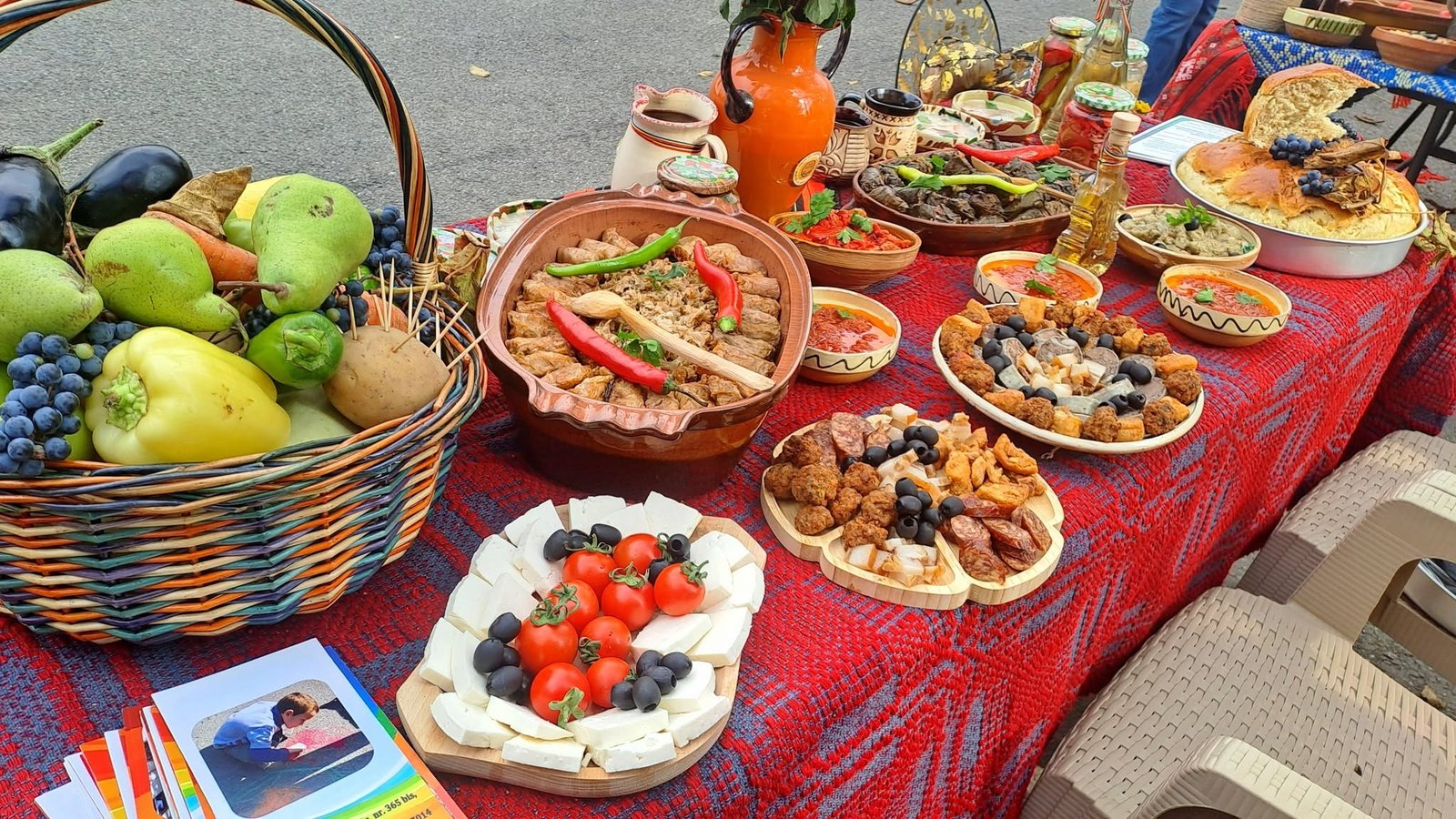
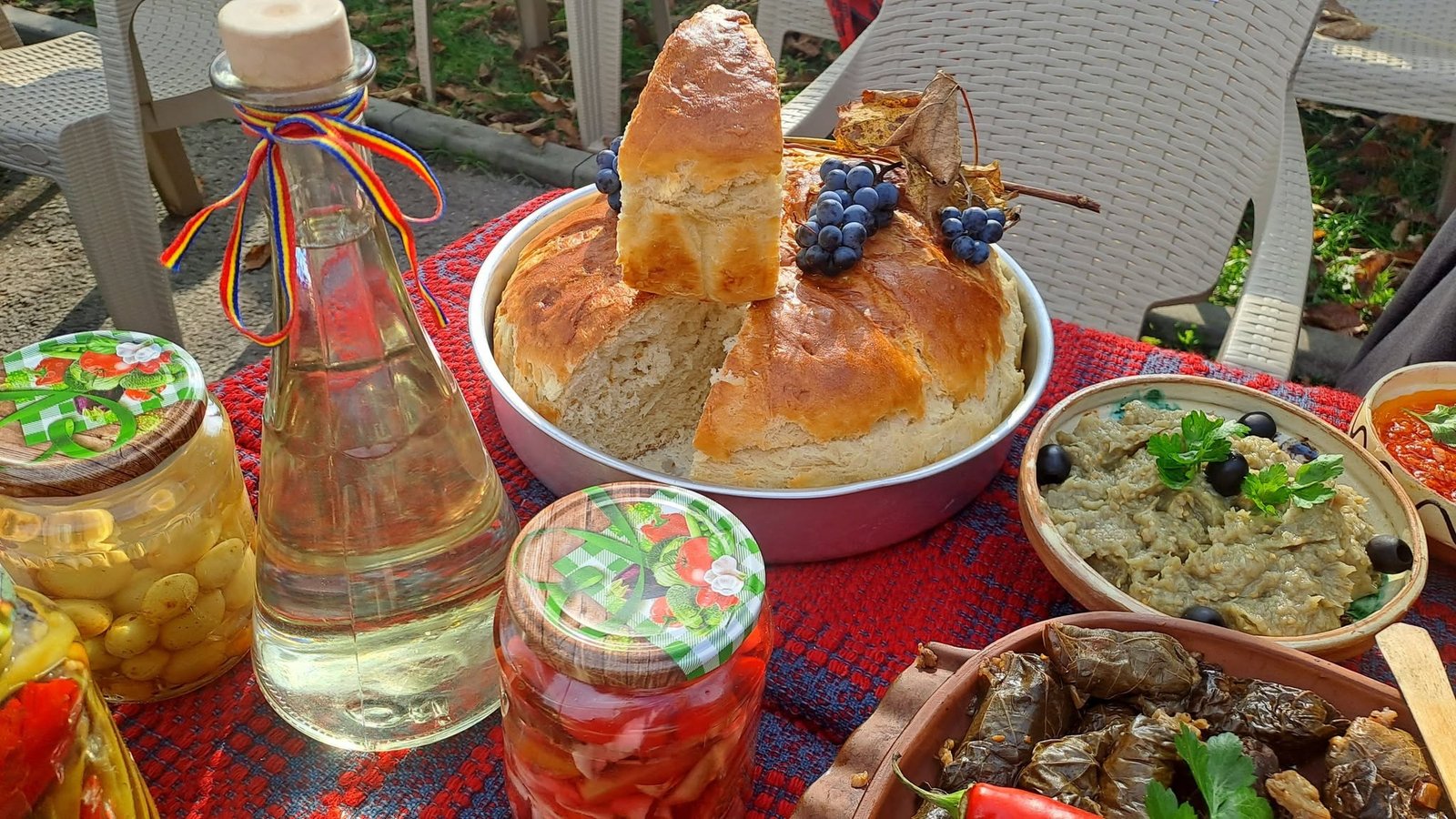
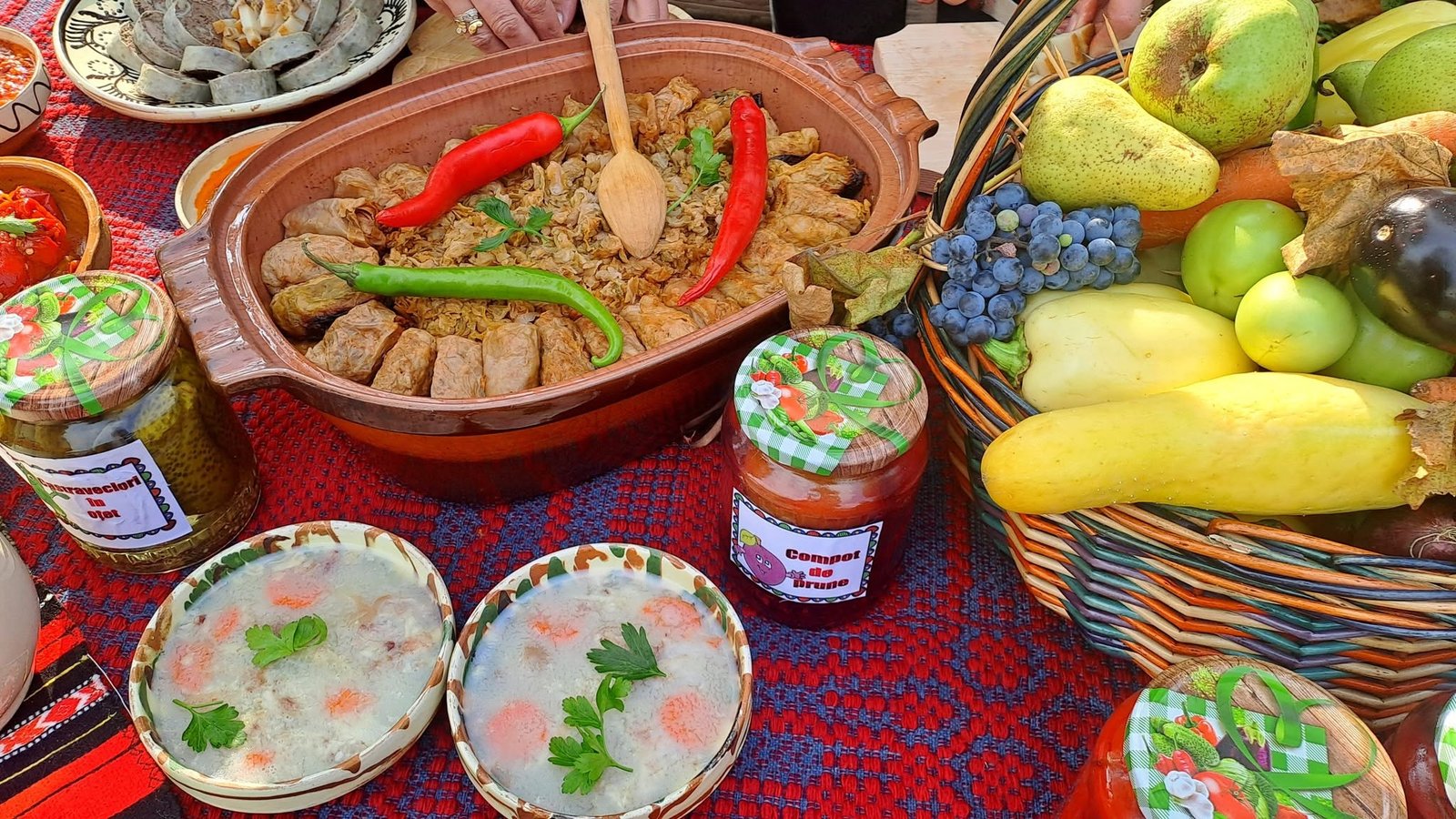
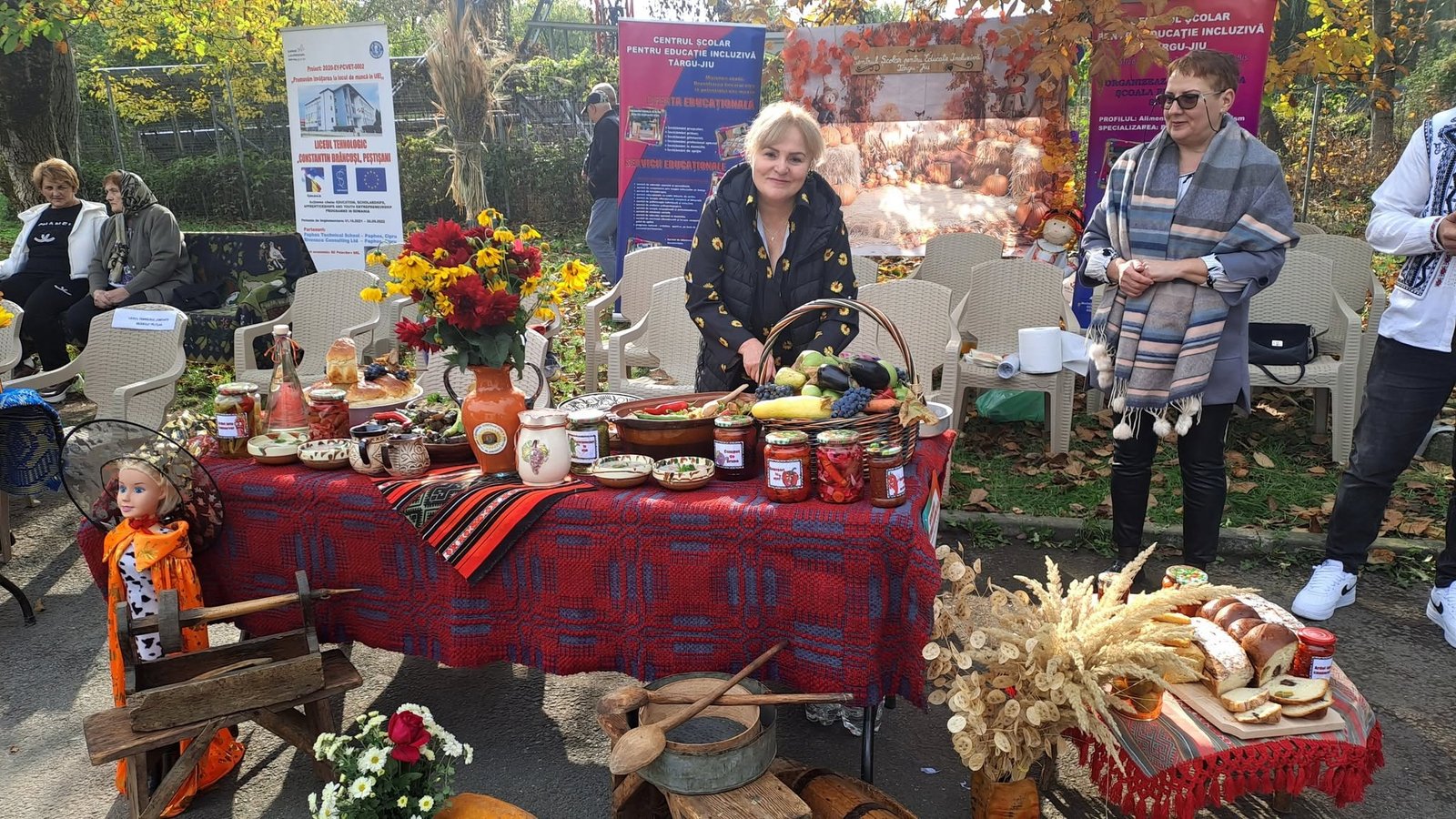
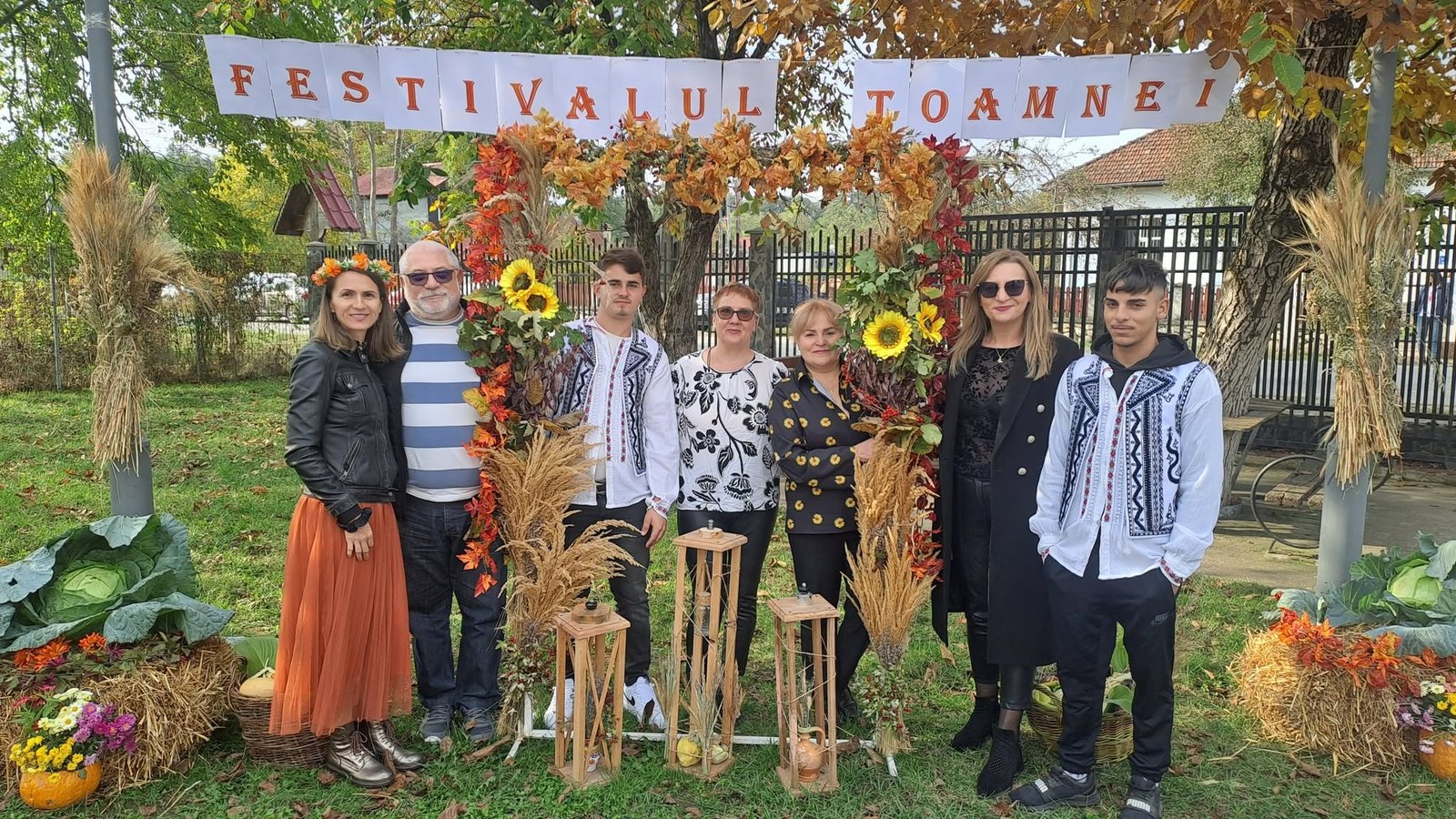
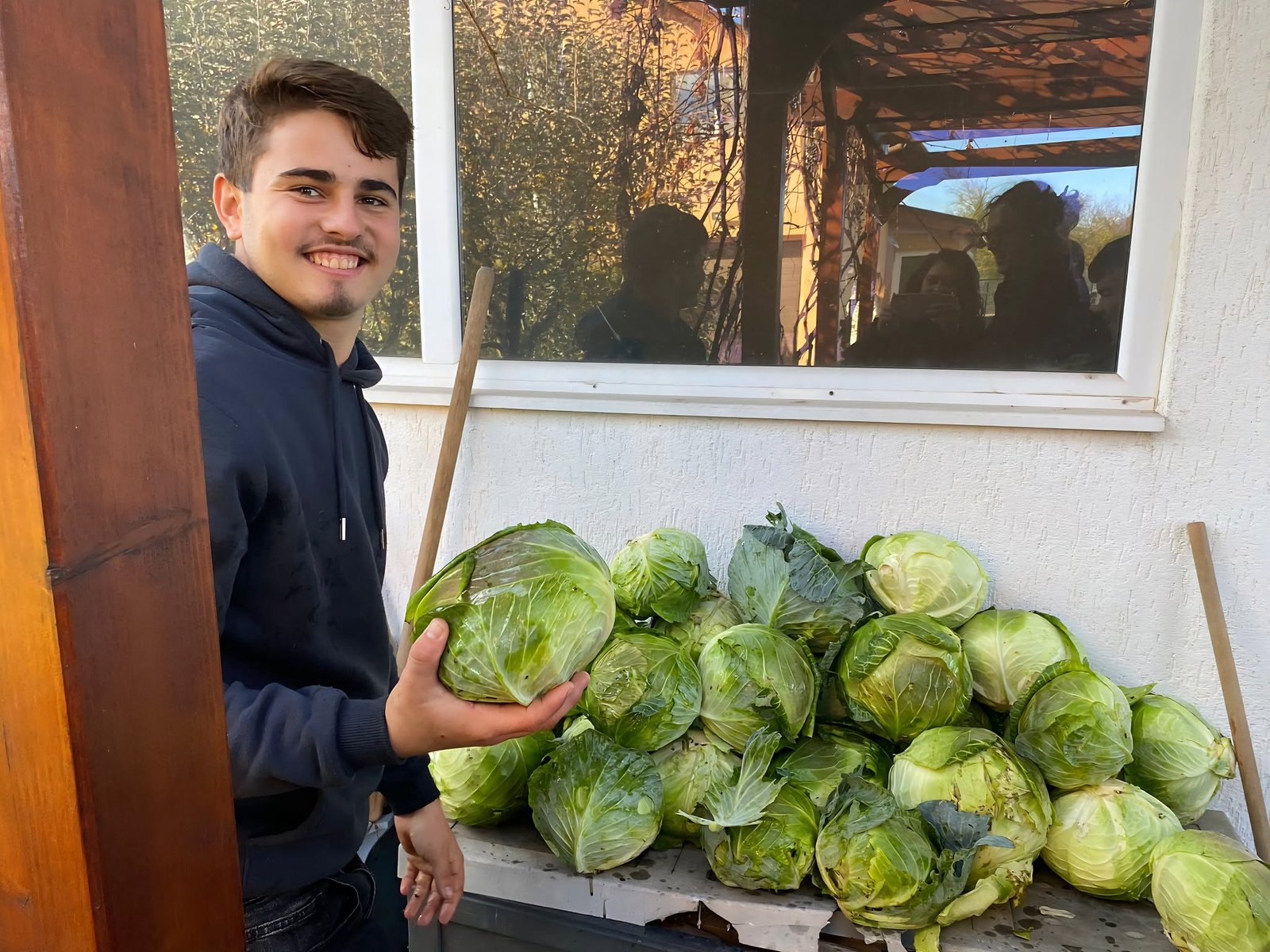
The vegetables grown over the season made their way naturally into the kitchen. Using potatoes and cabbage they had grown themselves, students prepared a range of traditional, healthy dishes — oven-roasted potatoes with herbs, boiled potatoes with butter and parsley, potato salad, fresh cabbage salad, braised cabbage, and both potato and cabbage pies — coming to understand first-hand the connection between growing food, eating well, and reducing waste. The undoubted highlight of the year came during the Erasmus mobility held in Romania, when students, teachers and international partners joined together to prepare around 500 sarmale (traditional stuffed cabbage rolls), made using cabbage grown in the educational garden. The dish was served for tasting at the Peștișani Culinary Festival, introducing visitors to traditional Romanian gastronomy made from produce the students had grown themselves. The mobility also included the preparation of traditional cabbage, potato and apple pies, enjoyed by all the participants — moments that did as much to build friendships across borders as they did to celebrate Europe’s shared culinary heritage.
Celebrating Community and European Friendship
Beyond the garden and the kitchen, the year was rich with events that widened the project’s reach. As part of the mobility, students and international partners prepared and shared a fruit salad together, a simple but effective way of highlighting the value of fresh fruit and intercultural collaboration, and visited vegetable gardens in the commune of Peștișani to compare traditional and modern cultivation methods with local growers. Students also visited the Târgu Cărbunești Recovery and Rehabilitation Center for Adults, where they helped plant cabbage seedlings raised in their own garden and planted flowers in front of the institution as a lasting symbol of the friendship the project has fostered. Closer to home, the school’s Autumn Festival saw pupils take part in a costume parade inspired by fruits and vegetables, with outfits made entirely from recyclable materials — a playful showcase of creativity and environmental awareness. A “Fun Sandwiches” cooking workshop encouraged healthy eating by turning fresh vegetables into inventive shapes and characters, while a separate creative recycling workshop saw students craft garden signs and informational materials from cardboard, plastic bottles and bottle caps. Finally, a dedicated project display board was set up in the school hallway, gathering photos, information and student-made materials that trace the full two years of the project’s activities and achievements for the whole school community to see.