Learning, Heritage and Shared Experiences
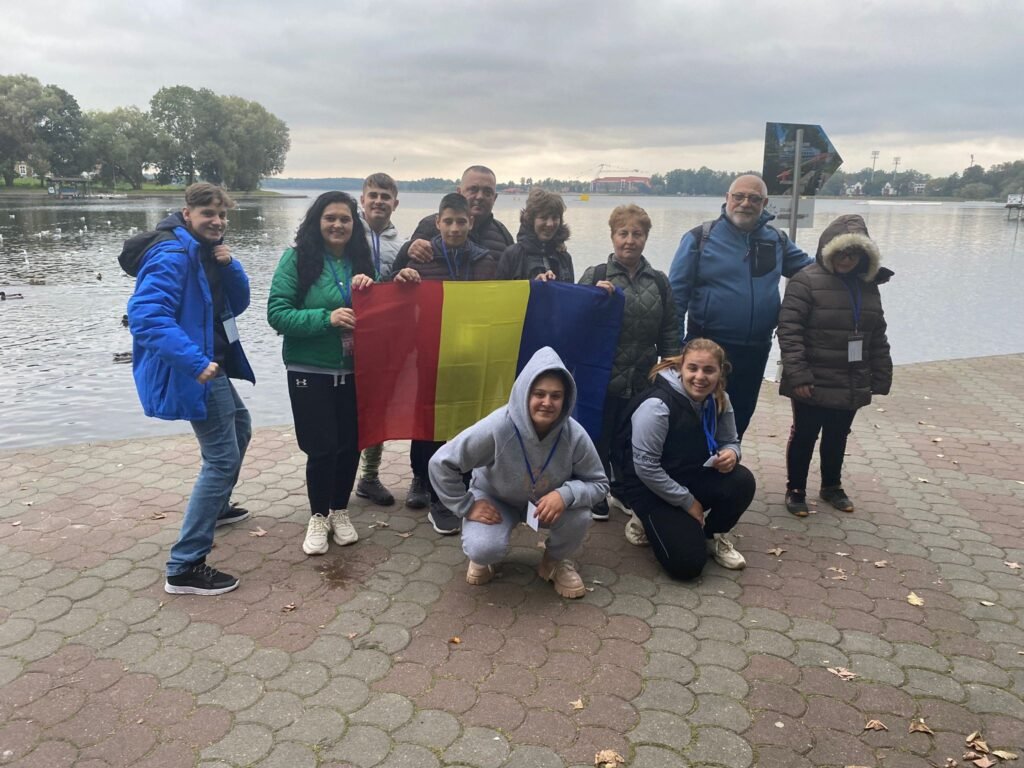
The Polish mobility within the Erasmus+ project brought together students and teachers from France, Poland and Romania for an intense and inspiring programme focused on heritage, nature and shared traditions. From the very beginning, the experience combined hands-on learning, cultural discovery and meaningful human connections.
Building Connections Through Shared Activities
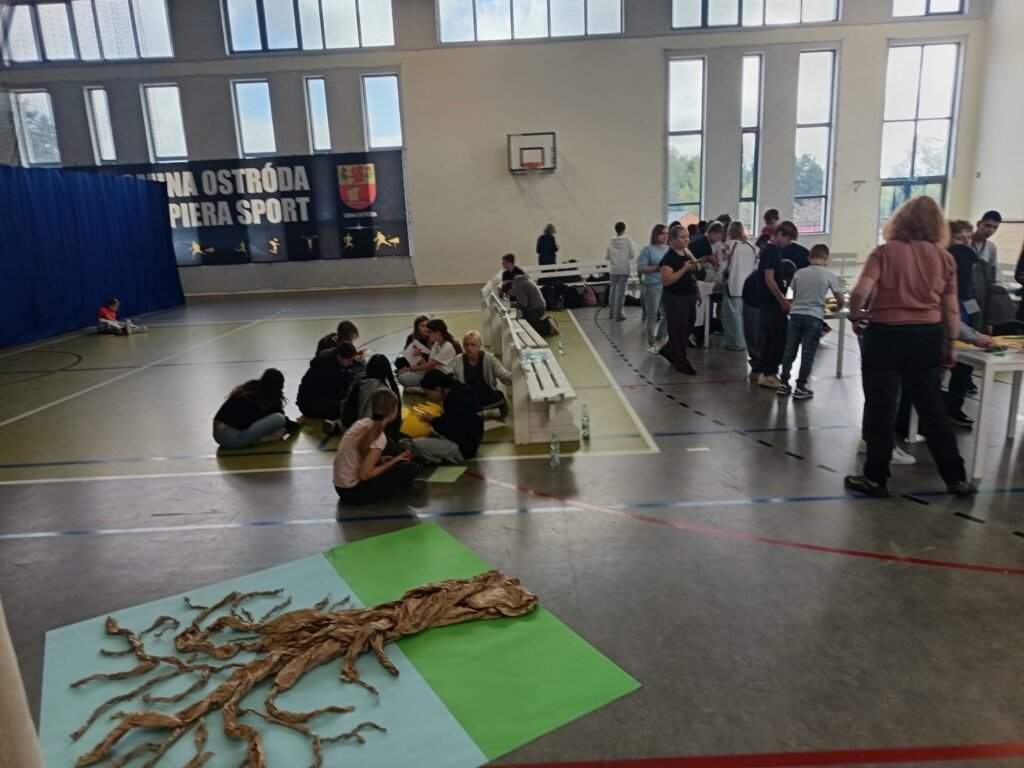
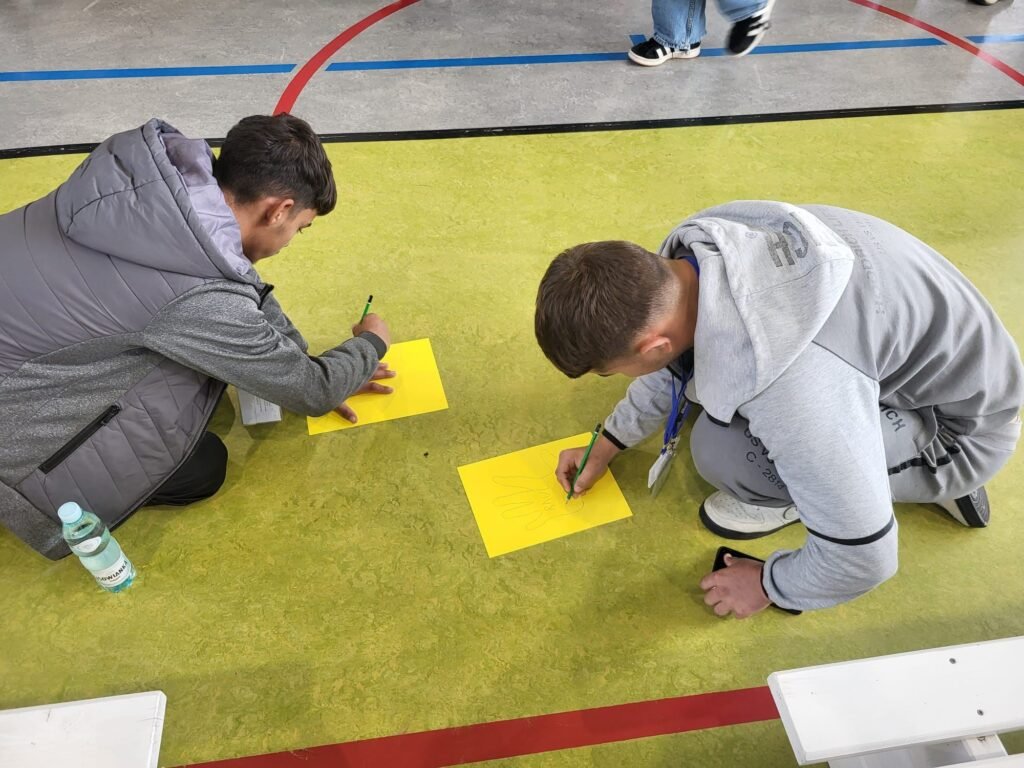
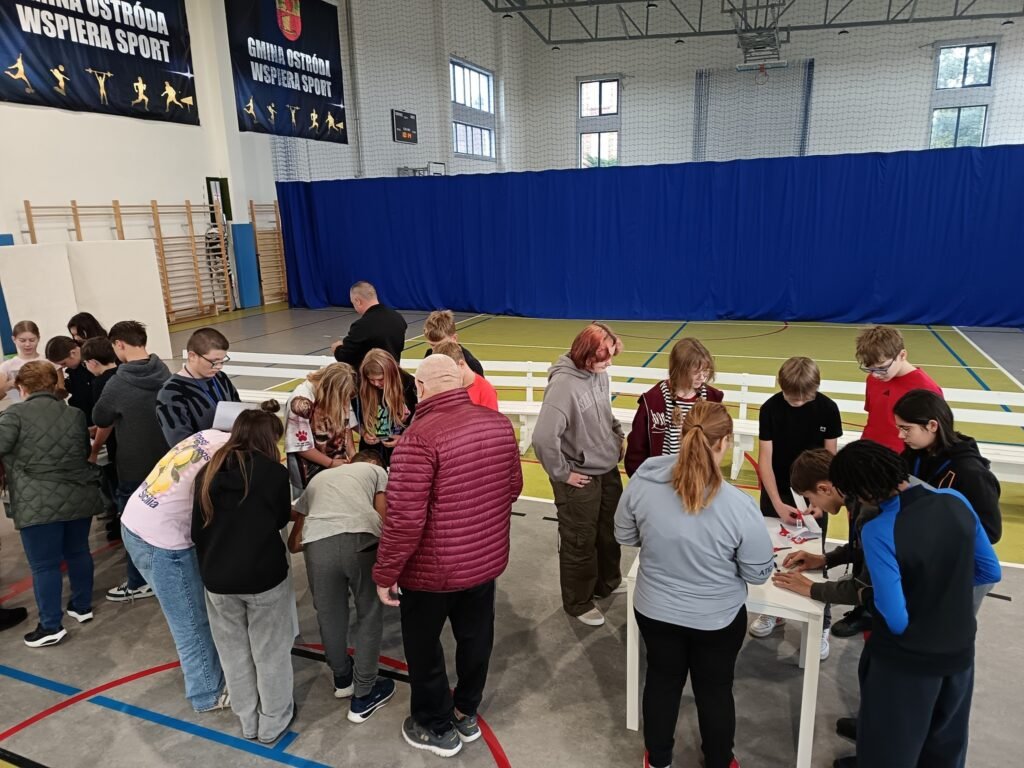
The mobility started with dynamic ice-breaking activities that allowed participants to get to know one another and exchange ideas in a friendly atmosphere. Very quickly, collaboration became central to the experience, whether through group challenges, creative workshops or outdoor activities. These first moments laid the foundations for strong intercultural bonds and a true spirit of cooperation.
Discovering Local Traditions and Rural Heritage
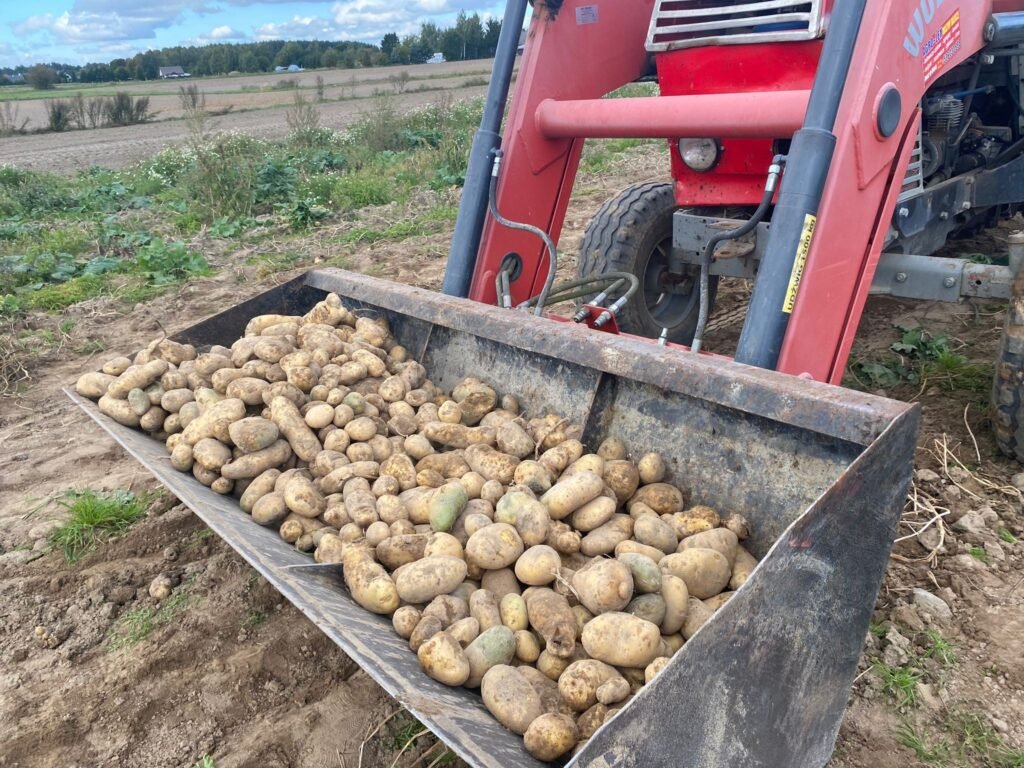
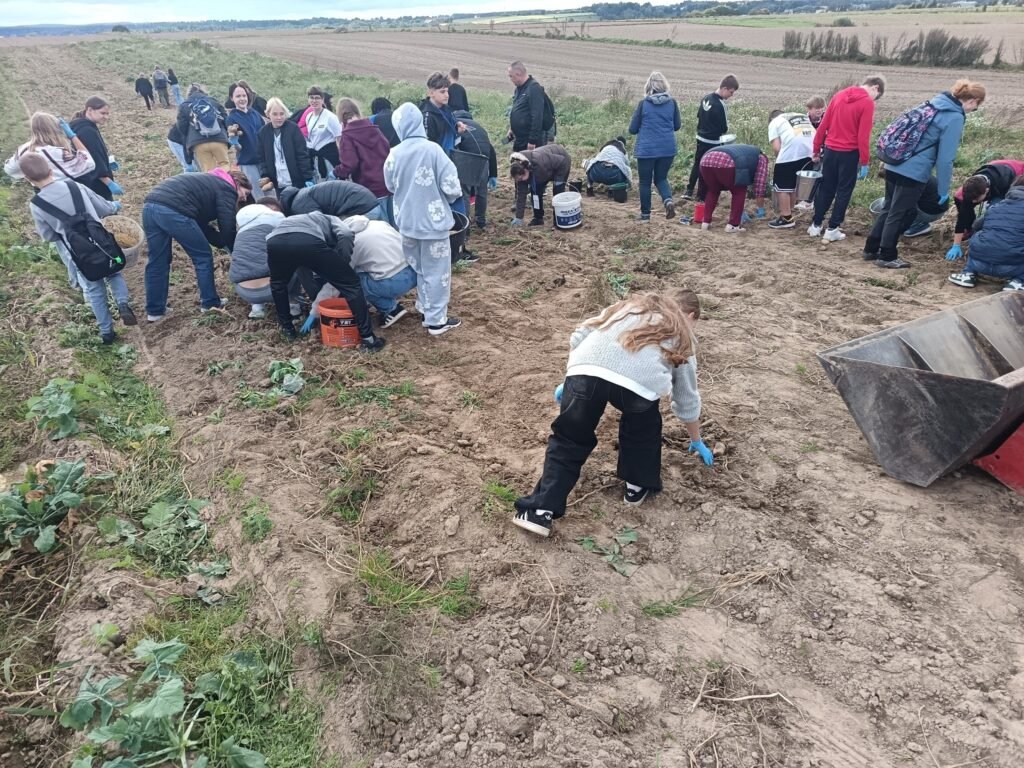
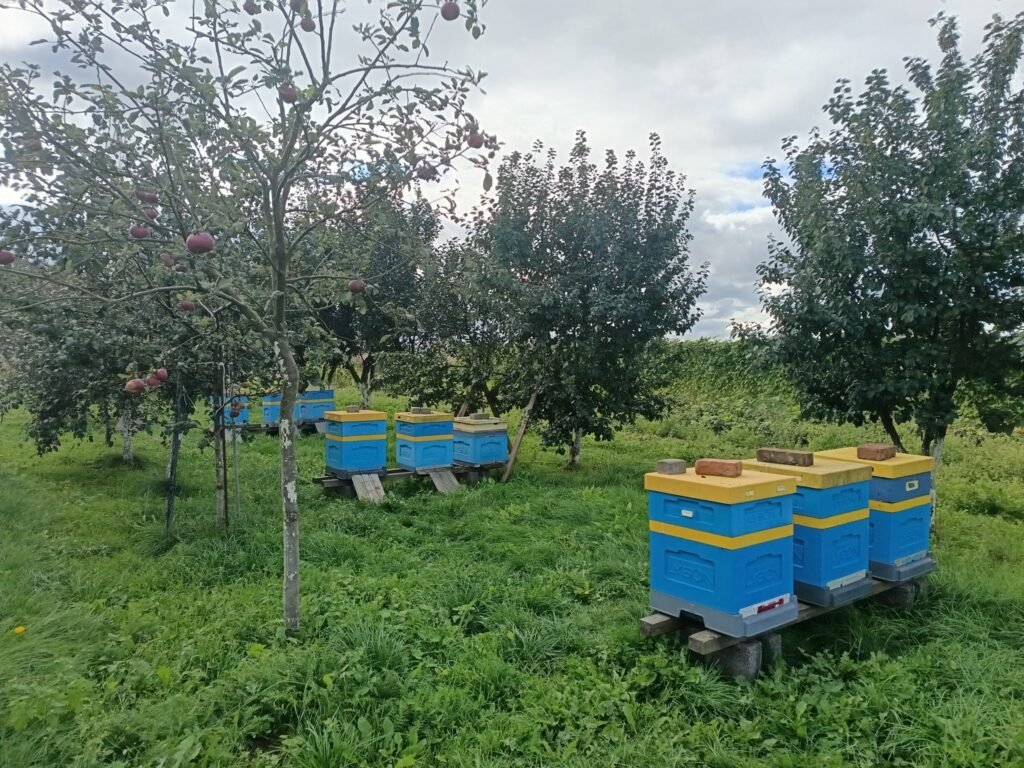
Several activities were dedicated to exploring Polish rural life and traditions. In the villages of Idzbark and Stare Jablonki, participants discovered local agricultural practices, with a special focus on apple growing. They learned about fruit trees, traditional know-how and seasonal cycles, before applying this knowledge during culinary workshops inspired by local recipes.
These moments of shared cooking strengthened teamwork and highlighted the importance of food as a cultural link between countries.
Culture, History and Artistic Expression
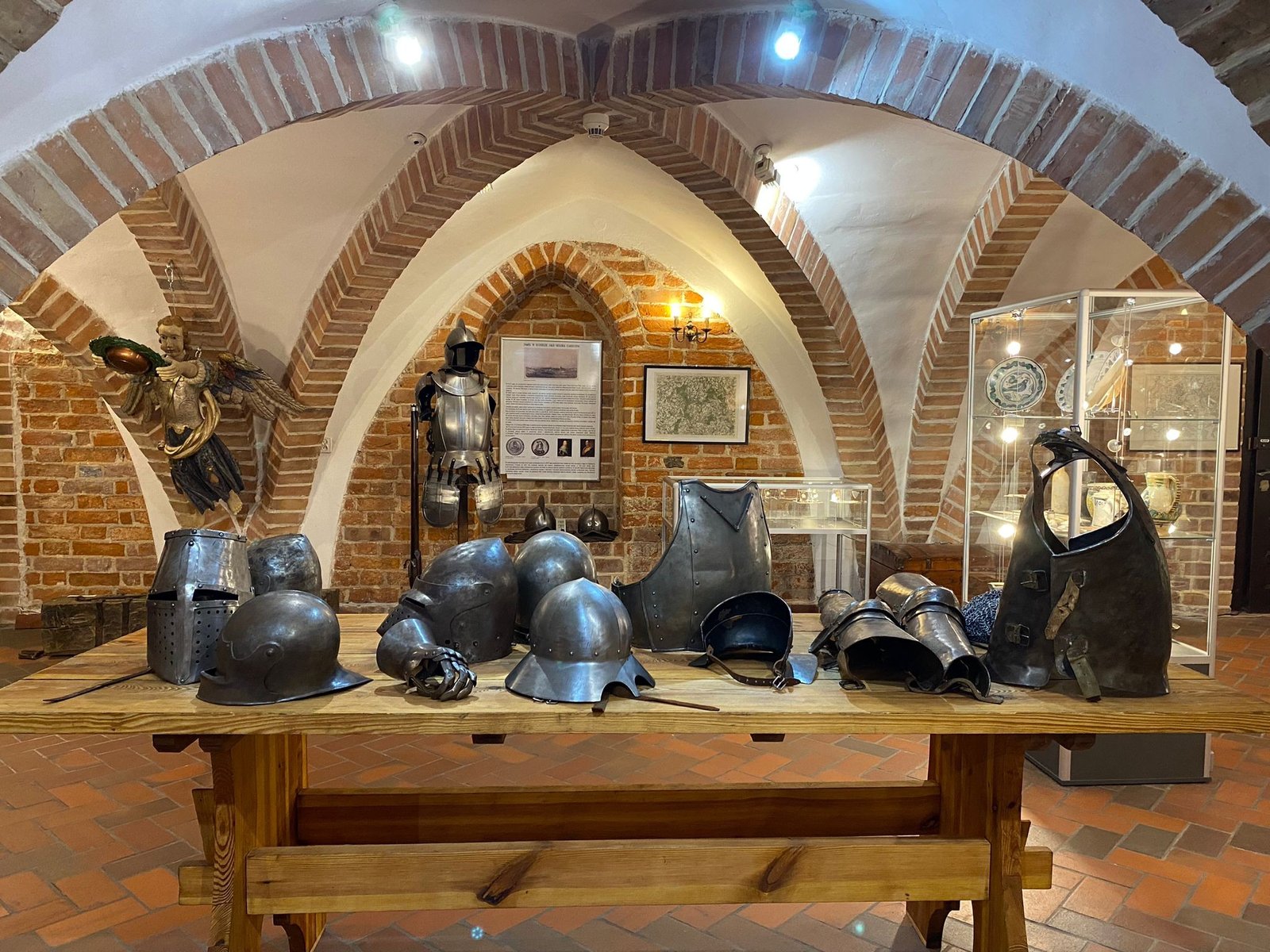
The programme also offered a deep immersion into Polish history and culture. Visits to ethnographic and history museums allowed students to understand how people lived in the region over the last century. In inspiring natural settings, they explored traditional architecture, everyday objects and ways of life.
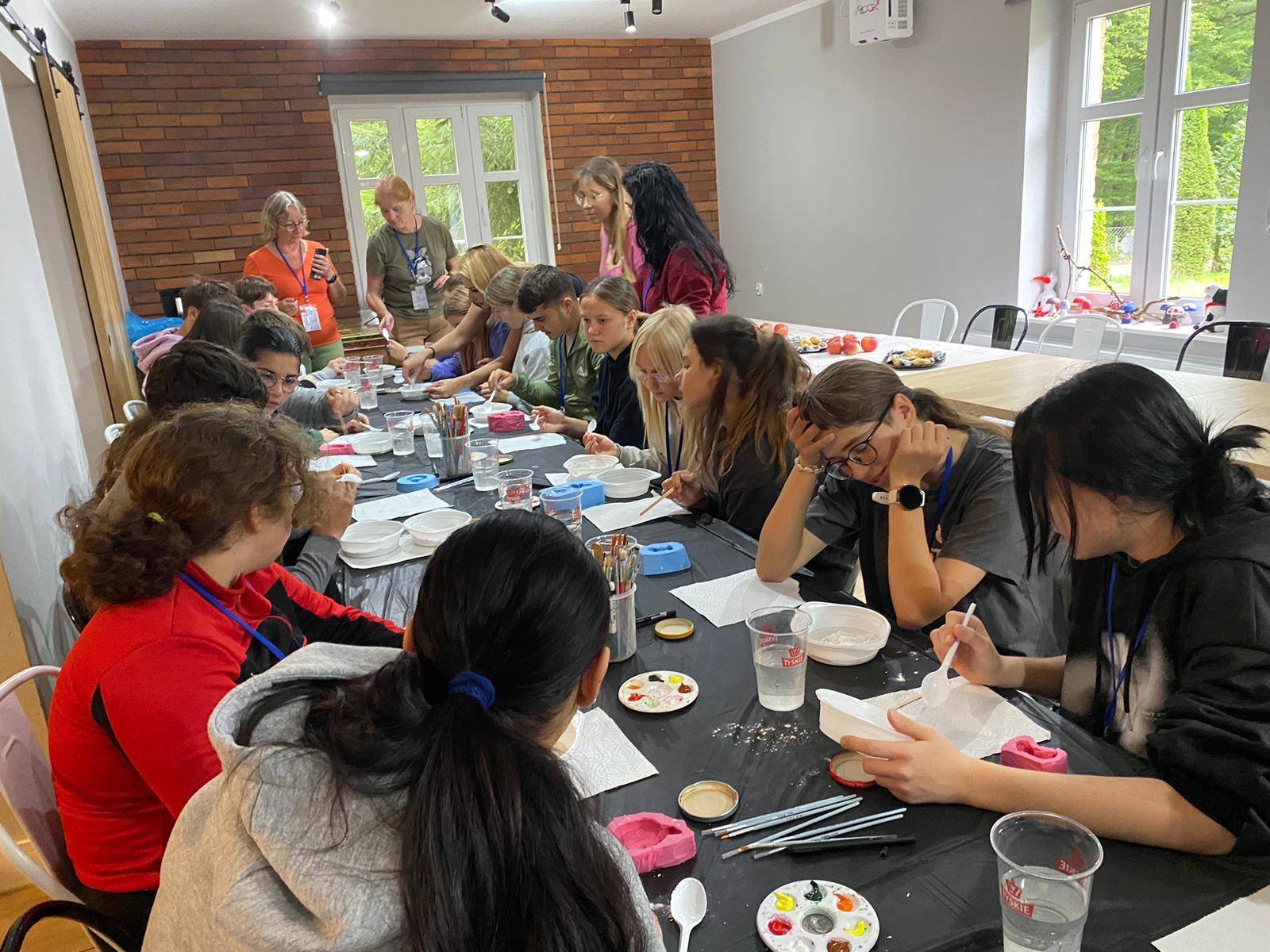
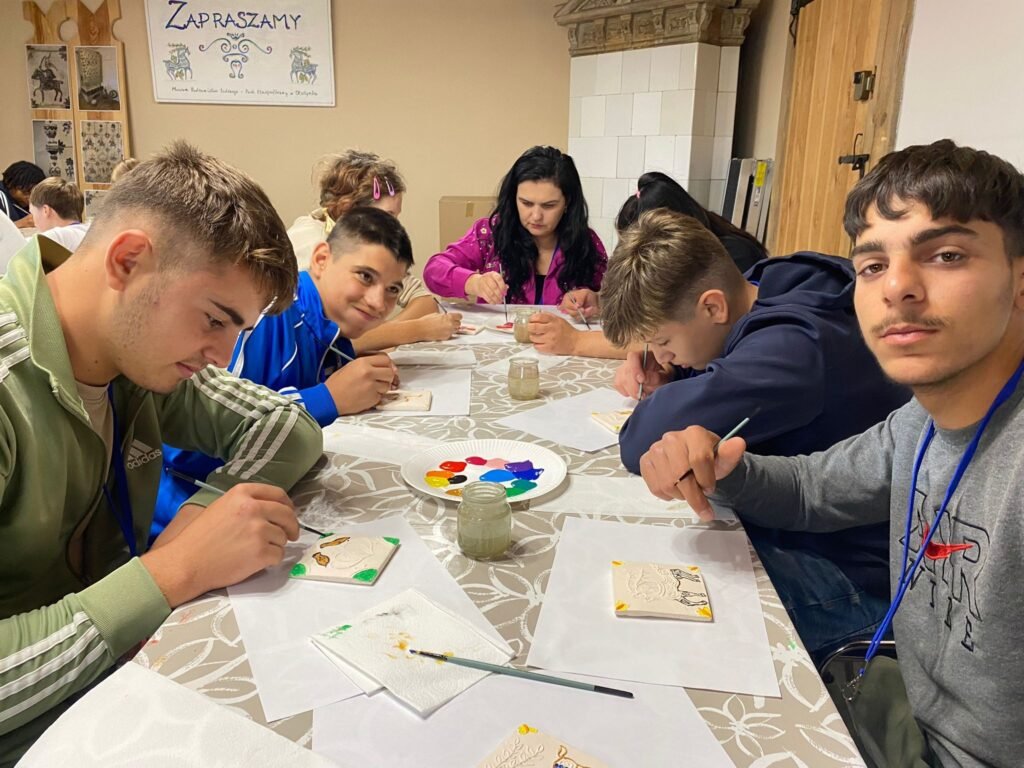
Creative workshops, such as painting on clay stencils and decorating ceramics, encouraged artistic expression while discovering the cultural meaning behind these crafts.
Learning in Nature and Environmental Awareness
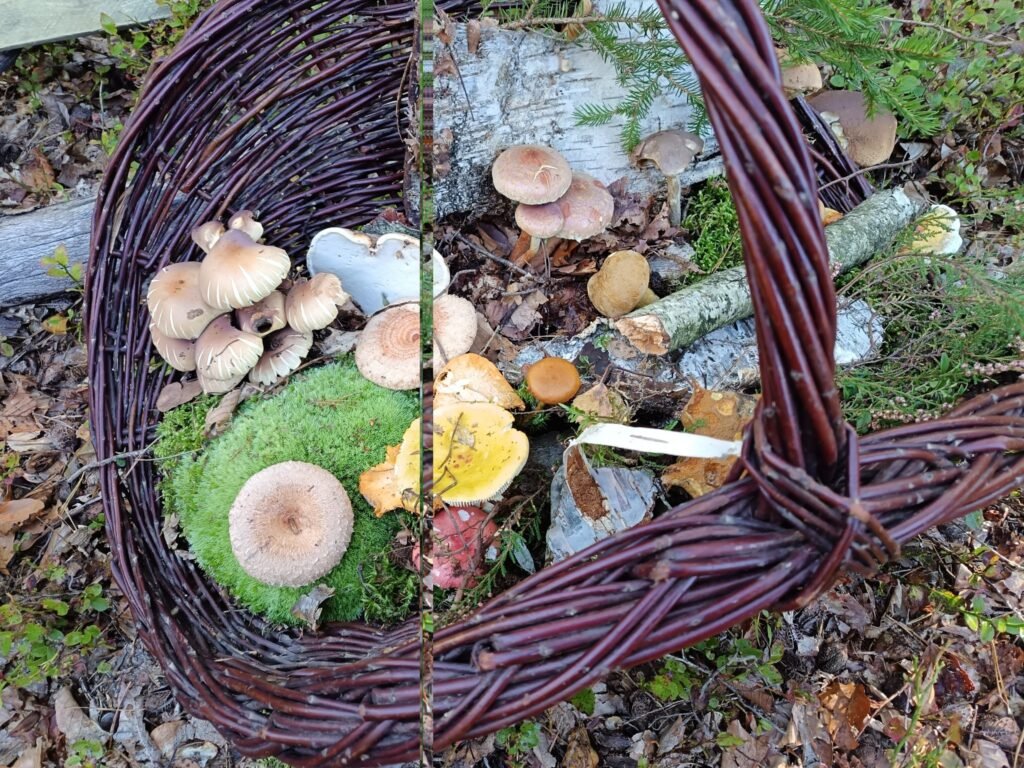
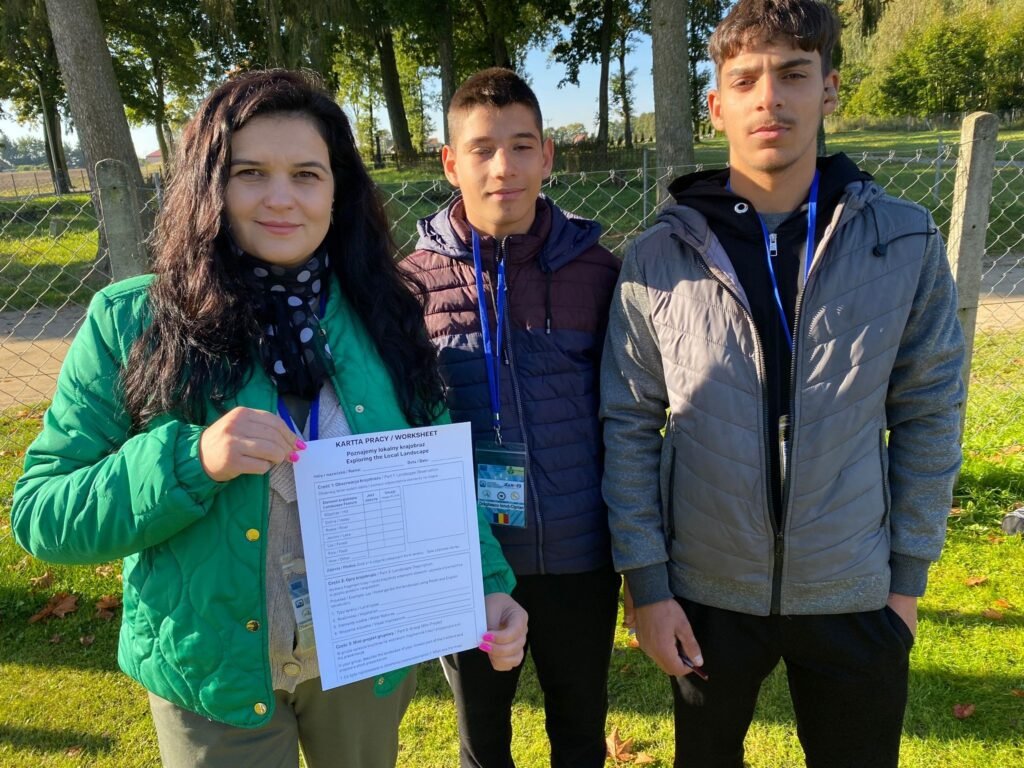
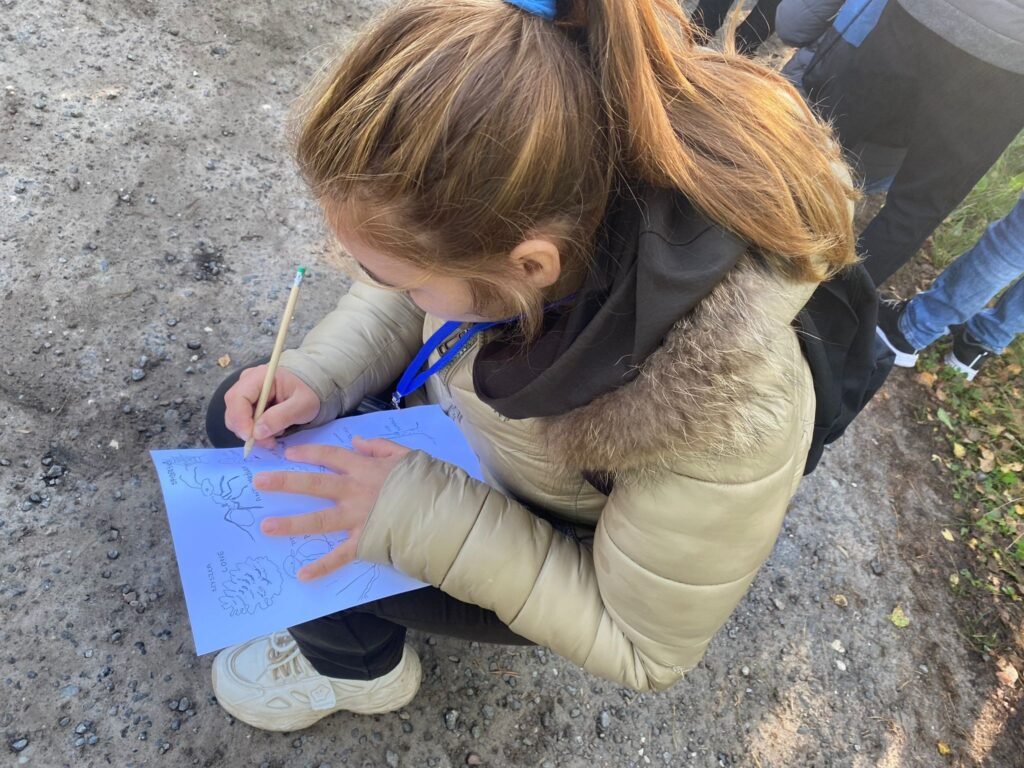
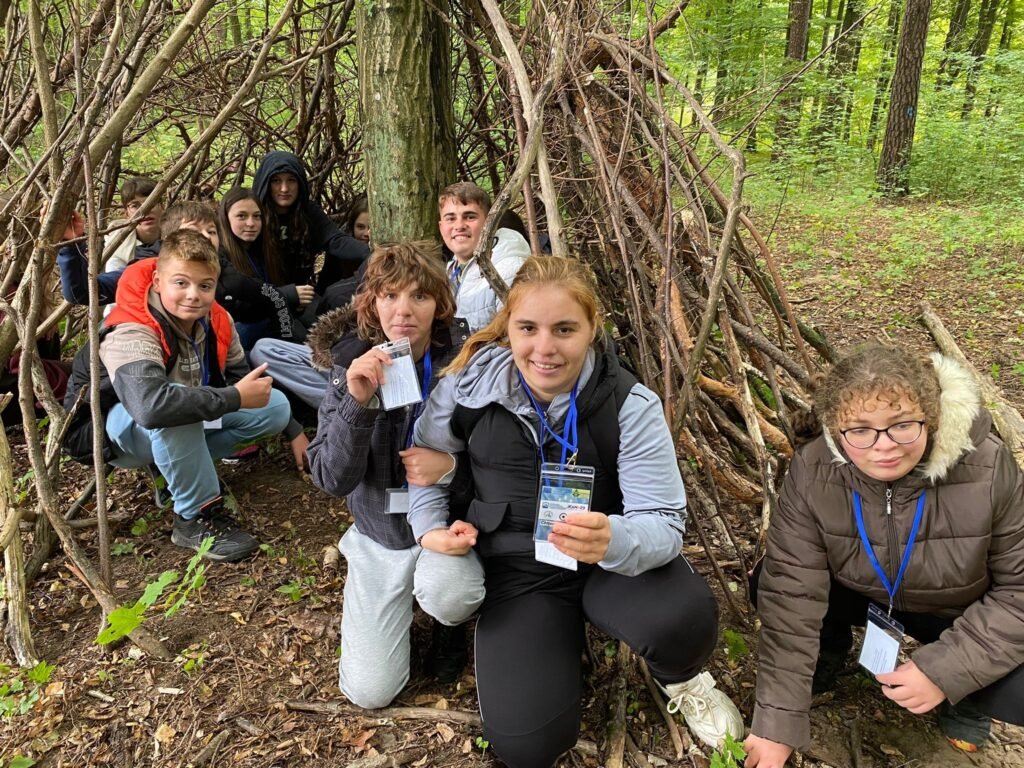
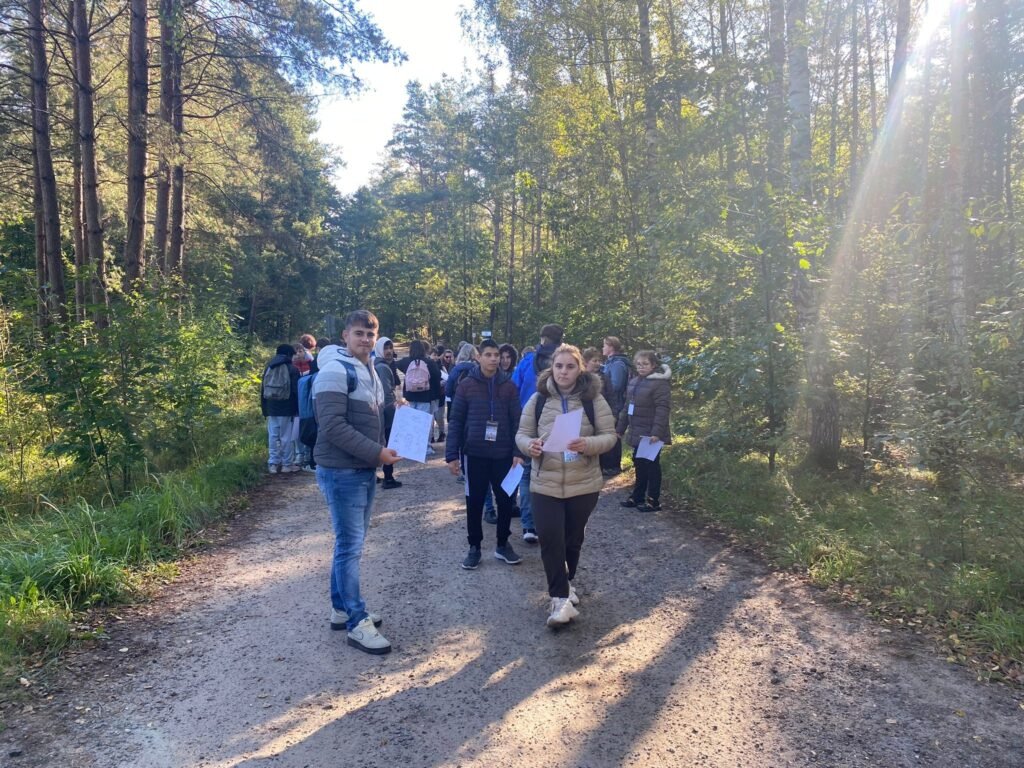
Nature played a central role throughout the mobility. Participants took part in educational walks in forests near the school, identifying plants, animals and insects with the help of learning boards. Meetings with foresters and forest police officers helped them understand the importance of forests, from biodiversity and medicinal plants to wood resources and environmental protection.
Visits to a pine nursery and long walks in natural surroundings reinforced awareness of sustainability and respect for the environment, all in an active and engaging way.
Experiencing School Life and Cooperation
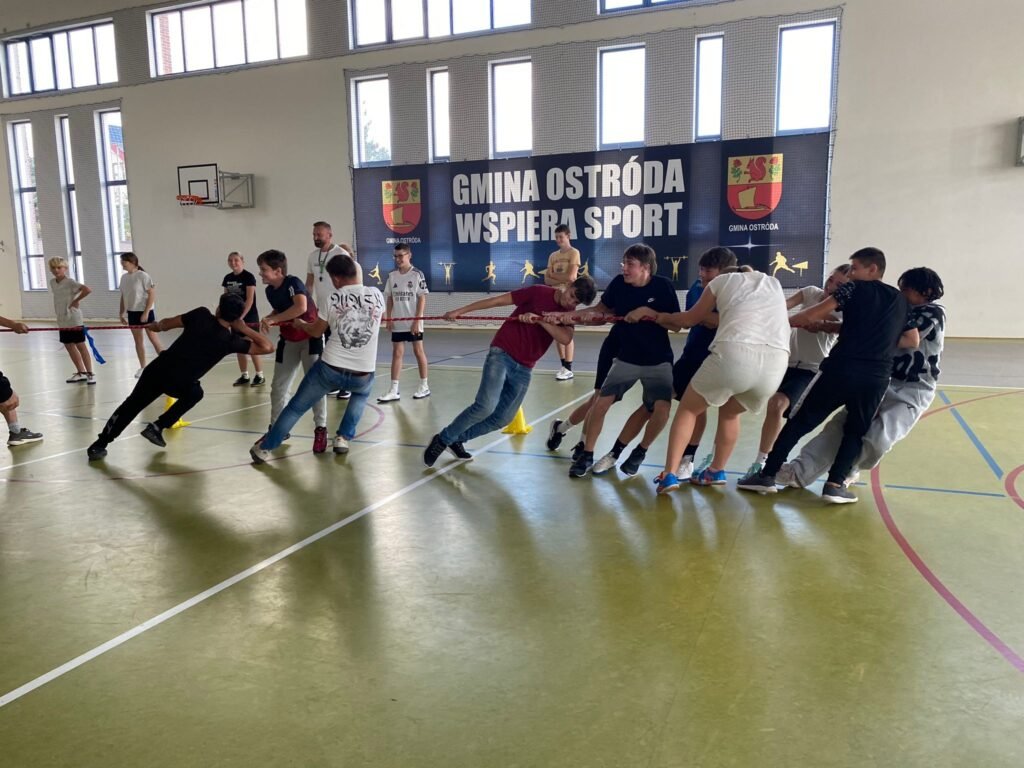
Students were fully immersed in Polish school life, attending lessons alongside their local peers. Geography classes took place outdoors, sports activities encouraged teamwork, English lessons focused on cultural exchange, and dance sessions brought everyone together in a joyful atmosphere.
These shared learning moments illustrated how education can be open, interactive and inclusive.
Exploring Historical Landmarks
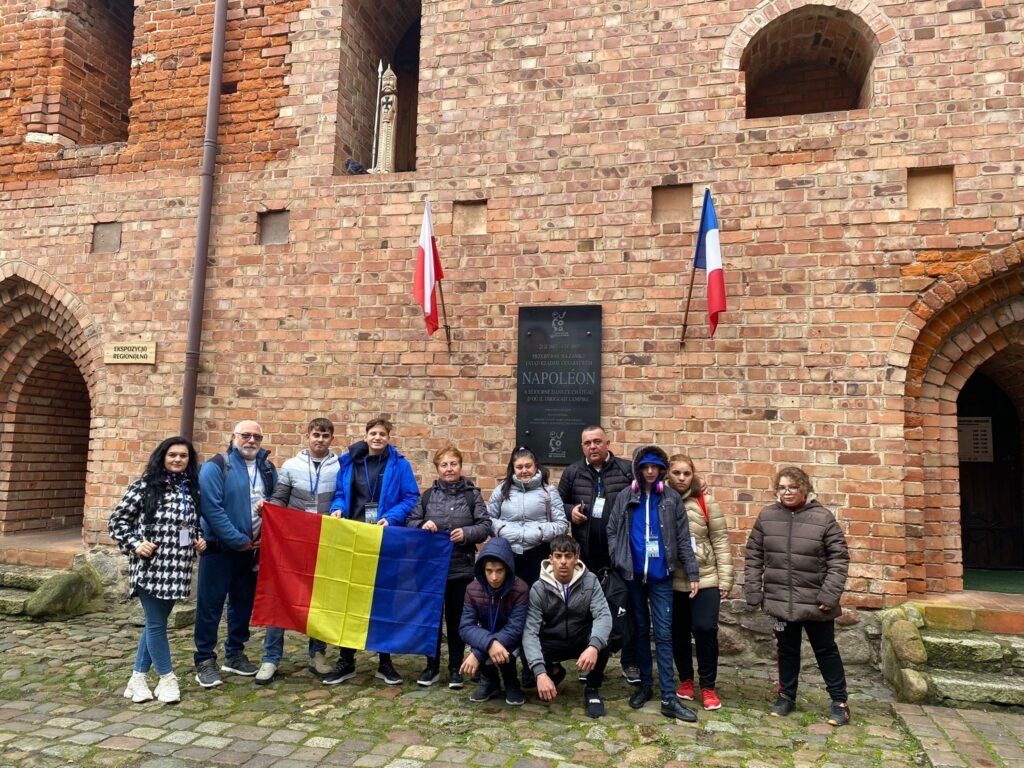
Cultural discovery continued with visits to important historical sites, including museums and castles. In Olsztyn and Ostróda, participants explored key moments of European history, learning about figures such as Nicolaus Copernicus and Napoleon Bonaparte.
These visits offered immersive history lessons and enriched the understanding of Europe’s shared heritage.
Creativity, Celebration and Lasting Memories
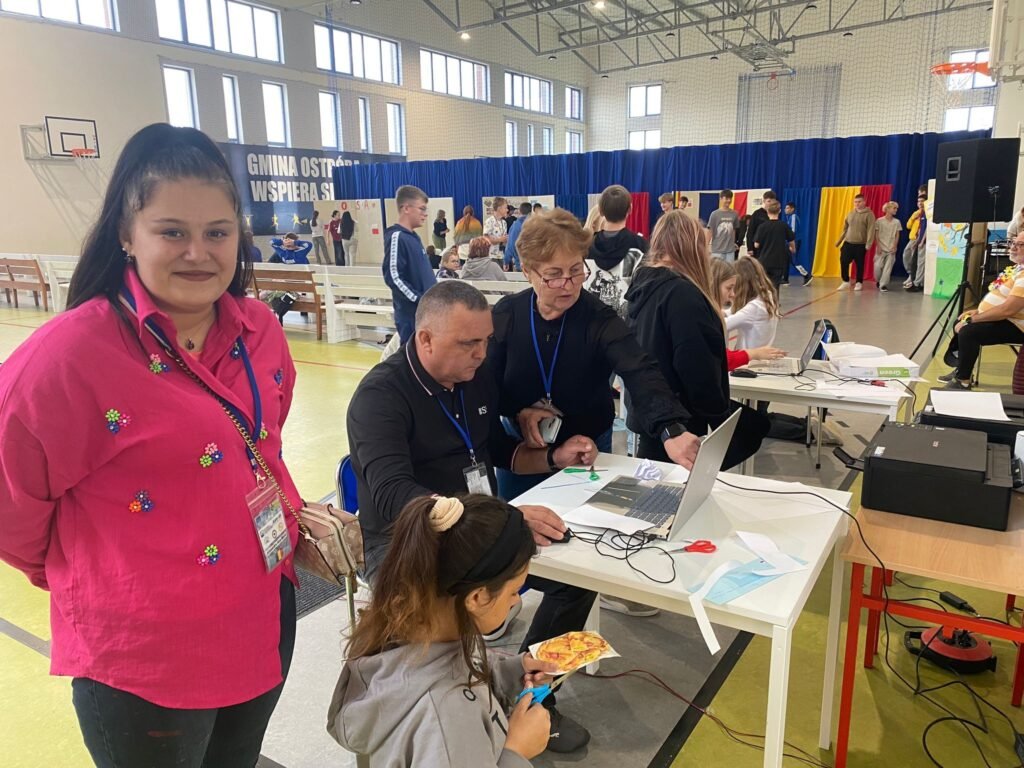
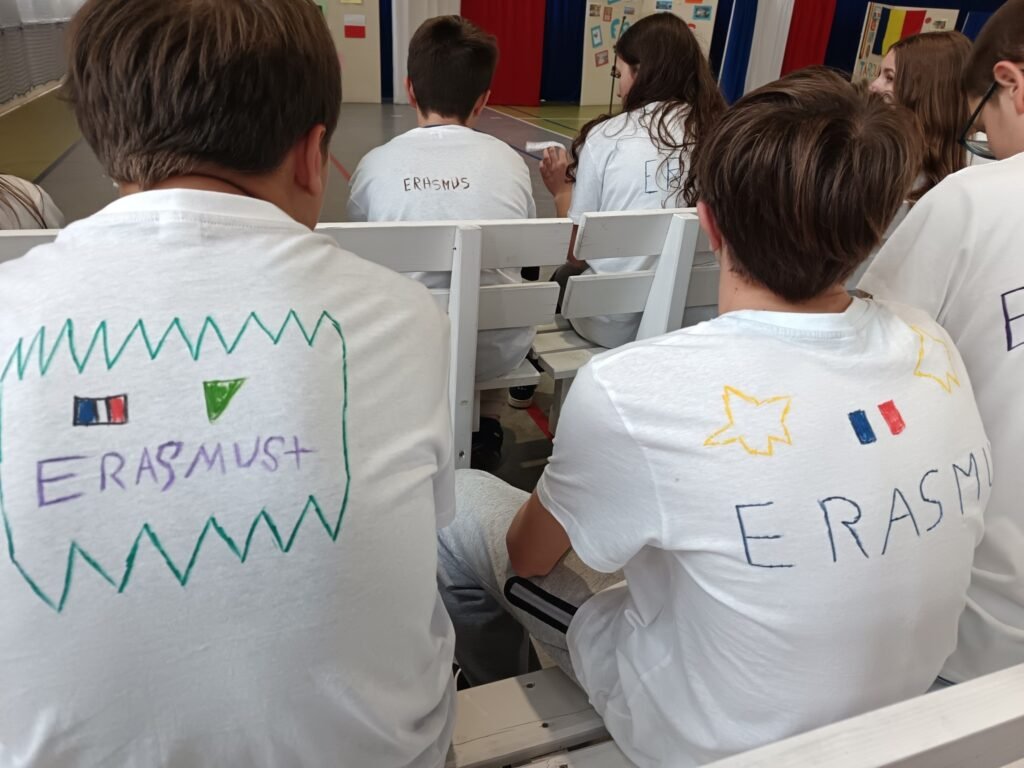
Towards the end of the mobility, creativity and celebration took centre stage. Students designed local souvenirs such as magnets and personalised mugs and received Erasmus+ t-shirts as symbols of their shared journey. Games, gifts and spontaneous acts of kindness strengthened friendships and created lasting memories.
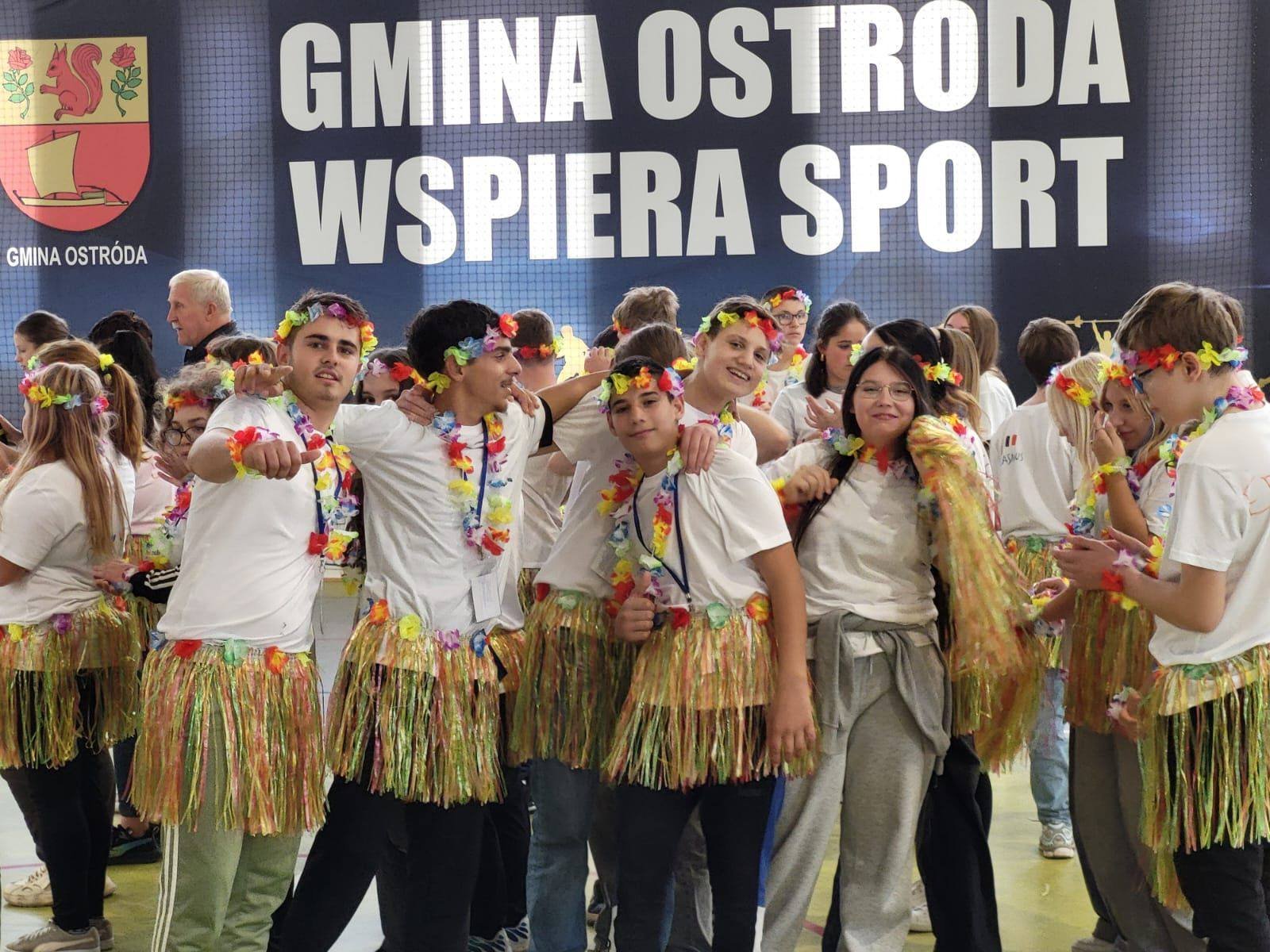
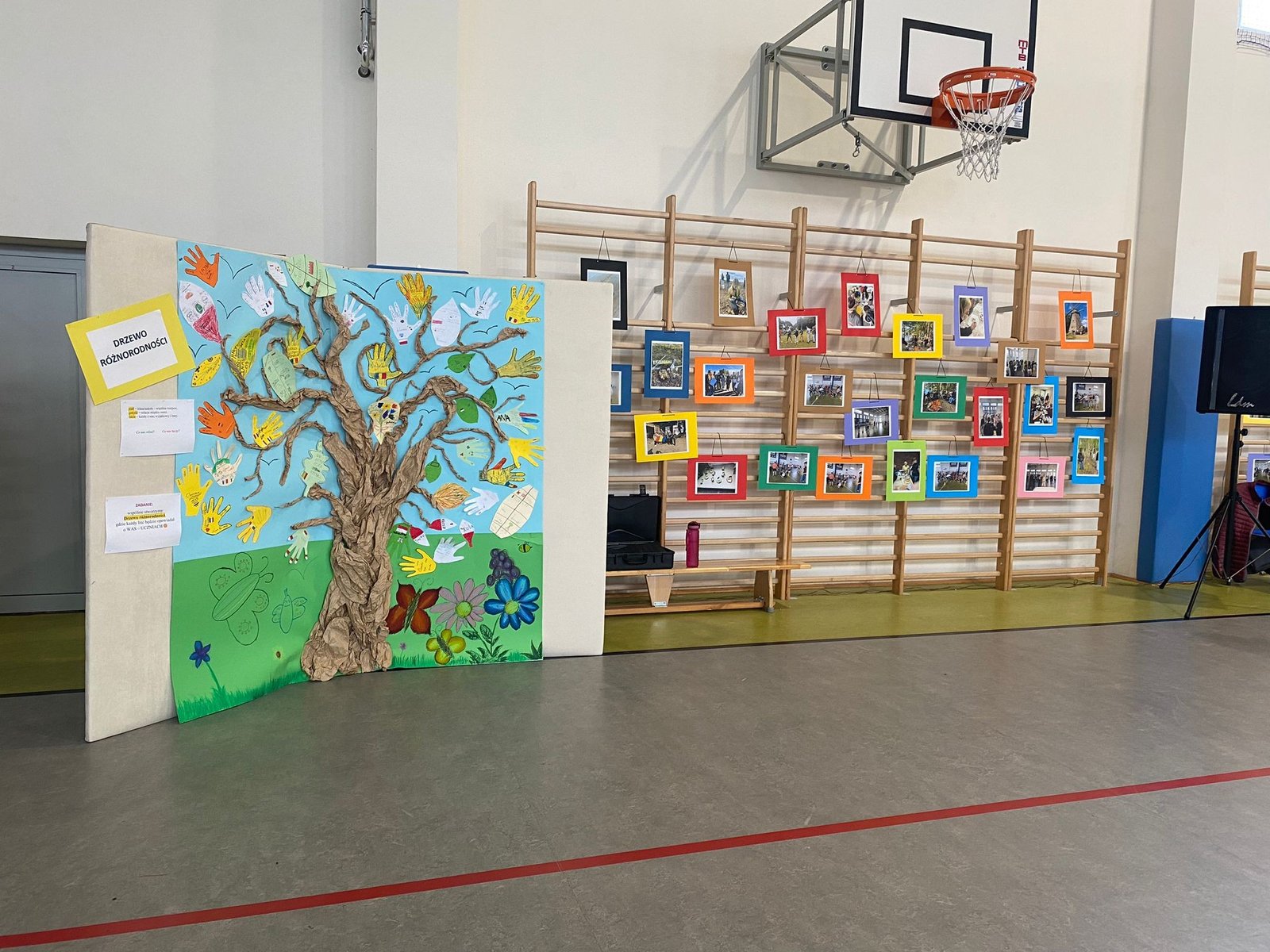
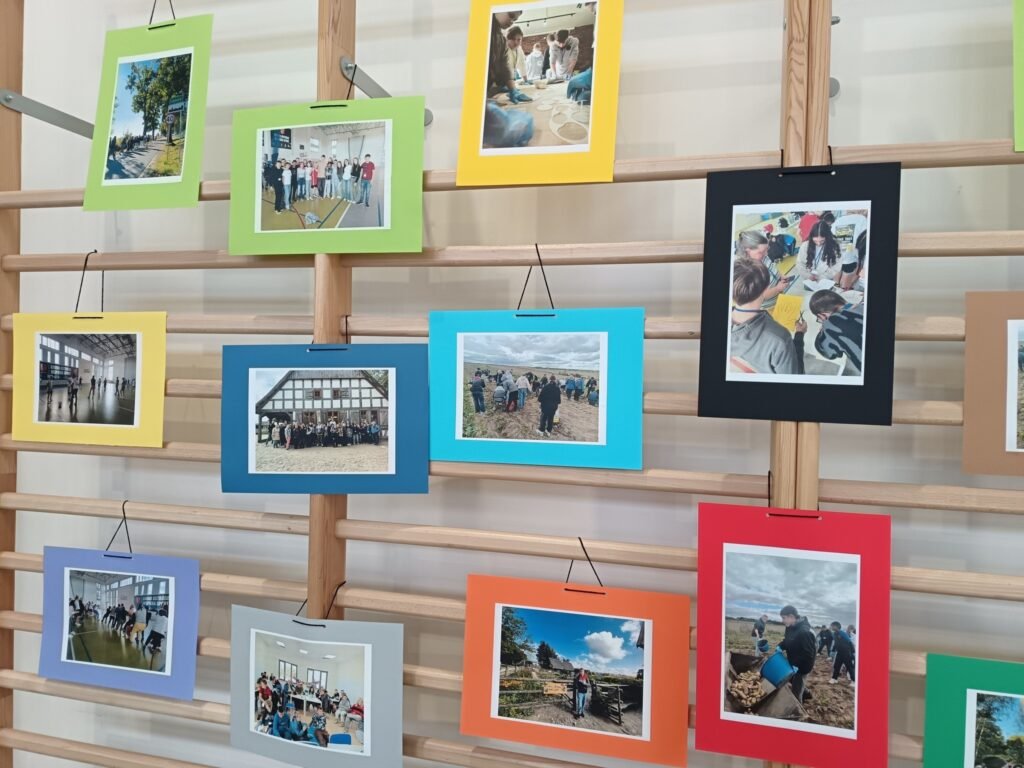
The final event brought everyone together for a moment of reflection and celebration. Participants presented panels about their countries, performed songs and dances, and shared emotional farewells while looking back at photos from the mobility.
This Polish mobility was a rich and meaningful chapter of the Erasmus+ project, combining heritage, nature, creativity and human connection. It strengthened European values, encouraged openness and left participants with unforgettable experiences that will continue to inspire them well beyond the project itself.