
Participants
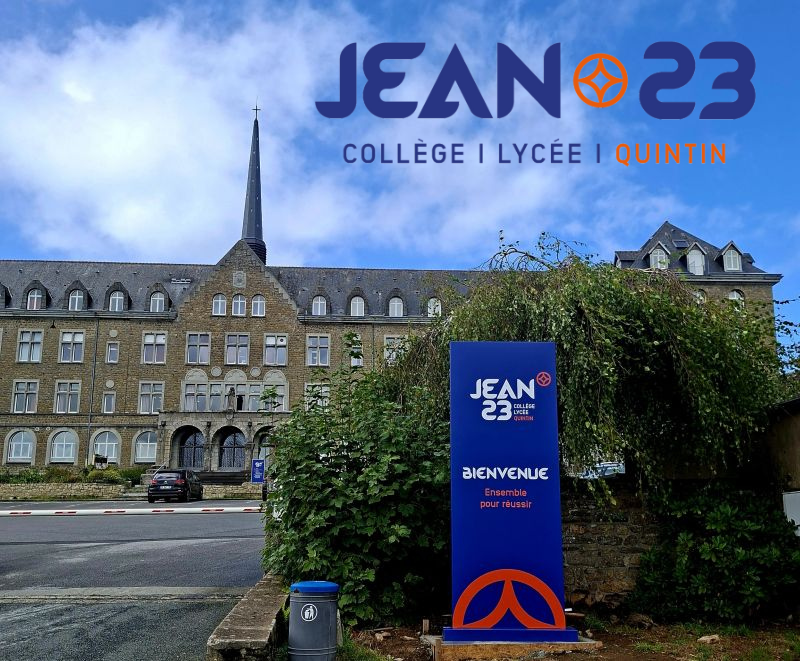
Lycée–Collège Jean XXIII – the project leader, is a rural secondary school located in Quintin (Brittany, France), serving 1,100 pupils from lower to upper secondary level. The school draws pupils from 82 municipalities and has strong experience working with diverse and often disadvantaged learner profiles.
Jean XXIII has a well-established expertise in inclusive education through its Adapted General and Vocational Education pathway (EGPA), which combines mainstream inclusion, pre-vocational training, and work-based learning. This pathway is supported by two technical training platforms focused on rural environment, sustainability, hygiene, food services, and care-related professions. These areas align closely with the objectives of vocational orientation, social inclusion, and sustainable development promoted by Erasmus+.
The school has a strong European and international dimension. It holds the Euroscol label, an international education label from the French Ministry of Education, and the E3D regional label for sustainable development. Pupils and staff regularly participate in European mobility, exchanges, and interdisciplinary projects.
The project is led by an experienced pedagogical team combining adapted education specialists and vocational teachers, with proven capacity to design and deliver interdisciplinary and international projects. The school has successfully coordinated an Erasmus+ project in the past and benefits from dedicated expertise in international coordination and financial management, ensuring reliable implementation, reporting, and dissemination.
As project leader, Lycée–Collège Jean XXIII brings strong organisational capacity, pedagogical innovation, and a clear commitment to inclusion, sustainability, and European cooperation. https://www.jean23-quintin.net/
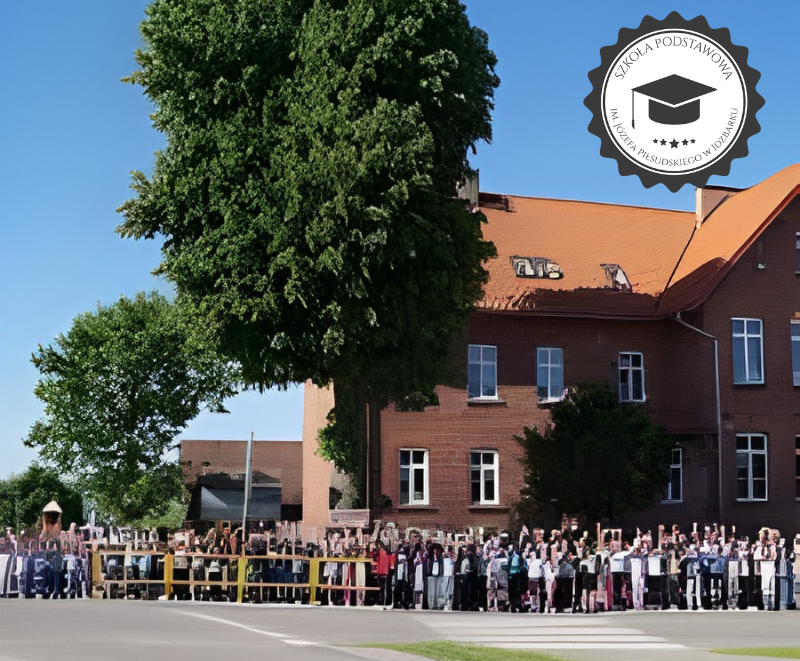
Józef Piłsudski Primary School is located in Iłdzbark, in the Warmia–Masuria region of northern Poland. The school has been operating as a public primary school since 2017 and provides education from pre-primary level to grade 8, including two pre-school departments.
The school educates around 195 pupils and employs 22 teachers supported by 8 administrative and support staff. Its educational mission focuses on the holistic development of learners, combining academic learning with social, emotional and civic competences.
The school promotes inclusion, equal educational opportunities and student well-being. It encourages active participation in school and community life, contact with nature, responsible use of digital tools, and engagement in extracurricular activities such as arts, sports and knowledge competitions. The school also provides psychological, pedagogical and preventive support to pupils, parents and teachers, in line with European educational values. http://spidzbark.szkolnastrona.pl/
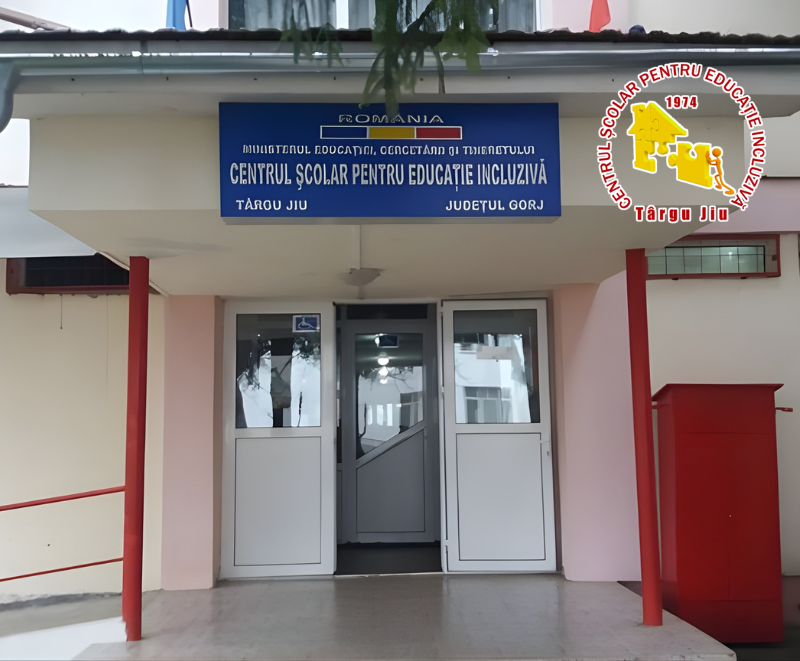
CSEI Târgu Jiu (Special Education Centre of Târgu Jiu) is a special education institution founded in 1975, serving Gorj County in Romania. The school is located on the outskirts of Târgu Jiu, which limits daily contact with the wider community but reinforces the importance of structured support and inclusion-focused activities. CSEI currently educates around 170 pupils aged 5 to 22 with intellectual disabilities, across all levels of education, supported by 104 qualified teachers.
Around 50 pupils with mild to moderate intellectual disabilities follow a four-year vocational training pathway in public catering and tourism, with a specialisation in culinary professions, enabling them to develop autonomy and access the labour market. Many learners also come from disadvantaged backgrounds, including institutional care, rural areas, single-parent families, and low-income households.
In line with national legislation, CSEI provides specialised support to pupils with special educational needs from mainstream schools, as well as to learners educated at home or in hospital. Since 2016, the centre has also delivered general education to persons deprived of liberty, with approximately 60 detainees currently enrolled. Educational provision is based on psycho-pedagogical teamwork and personalised learning pathways.
The mission of CSEI is to support each learner in reaching their full potential, promote inclusive education, and strengthen social inclusion and well-being. The centre cooperates with more than 50 partner institutions and actively participates in national and international projects, including Erasmus+, contributing to the development of high-quality, inclusive education for learners with fewer opportunities. https://cseitgjiu.ro/
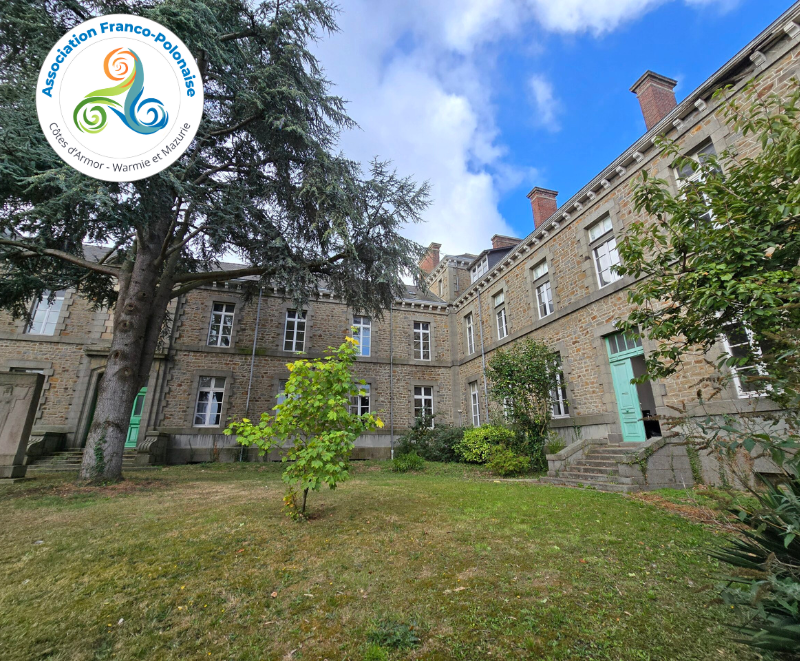
The Franco-Polish association Côtes d’Armor Warmia–Masuria (ACAWM) is based in the Côtes d’Armor department in Brittany, France, and works in close partnership with the Côtes d’Armor Departmental Council. Founded in 1982, the association promotes European cooperation and solidarity through bilateral exchanges and decentralised cooperation projects between the Warmia–Masuria region in Poland and the Côtes d’Armor region in France.
ACAWM’s mission is to strengthen European exchanges, foster mutual understanding of the historical, social, economic and cultural specificities of both regions, and encourage diverse social, cultural and technical cooperation between local communities. Its activities cover a wide range of fields, including education, youth, agriculture, sport, culture, historical memory, and social and professional inclusion.
The association is actively involved in Erasmus+ projects as a partner or support structure, contributing to Key Action 1 (KA1) and Key Action 2 (KA2) projects across several European countries, including Portugal, Romania, Croatia, Italy and Germany. ACAWM also supports local organisations in the development of European projects.
The association operates with a small professional team, supported by a strong network of around 50 active members and volunteers, including its governing board. This project is fully aligned with ACAWM’s objectives and its long-standing commitment to European cooperation and local engagement.
Stowarzyszenie Centrum Wspierania Organizacji Pozarządowych i Inicjatyw Obywatelskich (Centre for the Support of Non-Governmental Organisations and Civic Initiatives – CWOP) operates in the Warmian–Masurian Voivodeship in Poland. It focuses on initiating, developing, supporting, and implementing civic and social initiatives, primarily in cooperation with non-governmental organisations, social economy entities, and local communities.
The association promotes active citizenship in its broadest sense. Its main objectives include supporting civic engagement, creating and promoting social initiatives, strengthening the non-governmental sector, and fostering cooperation between civil society organisations, public administration, local authorities, and economic stakeholders. CWOP also supports and coordinates local partnerships and contributes to local development processes.
CWOP carries out activities in the fields of education, culture and cultural heritage, physical activity and sport, environmental protection, health promotion, and the development of the social economy. It is also actively involved in international cooperation within civil society and supports scientific and science-based technical initiatives.
The association operates with a core team of three permanent employees and one trainee, supported by additional experts engaged on a project basis. Stowarzyszenie CWOP currently brings together seven members and five active volunteers, ensuring both professional expertise and strong community involvement in the implementation of Erasmus+ and other cooperation projects. https://www.cwop.org.pl/