France - Learning through the school garden
During the 2024–2025 school year, pupils in France took part in the development of a pedagogical vegetable garden located within the school grounds. The garden was created as a collective, cross-disciplinary project involving several year groups and linking practical activities with environmental and artistic education.
The work began in winter and continued through spring, allowing pupils to follow seasonal rhythms and progressively shape the garden space as a shared learning environment.
Who took part
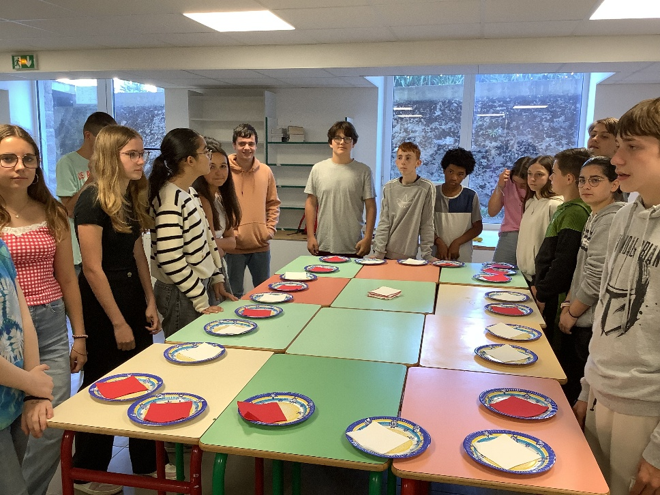
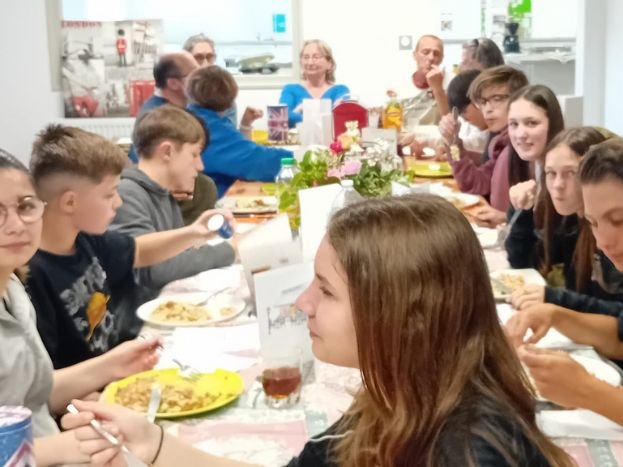
The project involved pupils from several levels, including 6ème, 5ème, 4ème and 3ème SEGPA (ages 11 to 15), representing more than 40 pupils in total. Around 5 teachers were directly involved, supported by additional school staff.
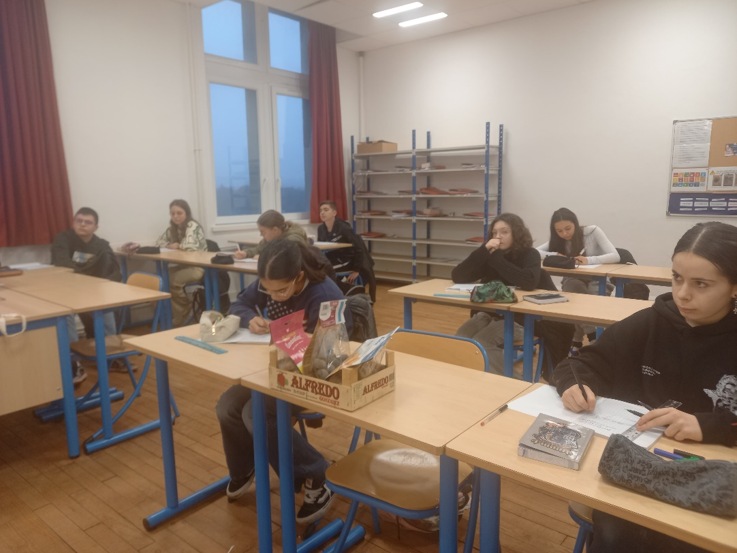
Pupils participated through different subjects and workshops, strengthening collaboration across classes and encouraging collective responsibility for the garden.
Garden locations
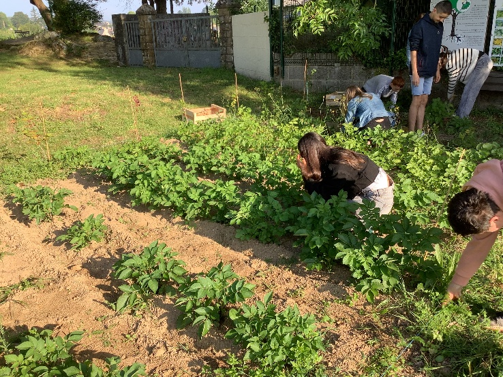
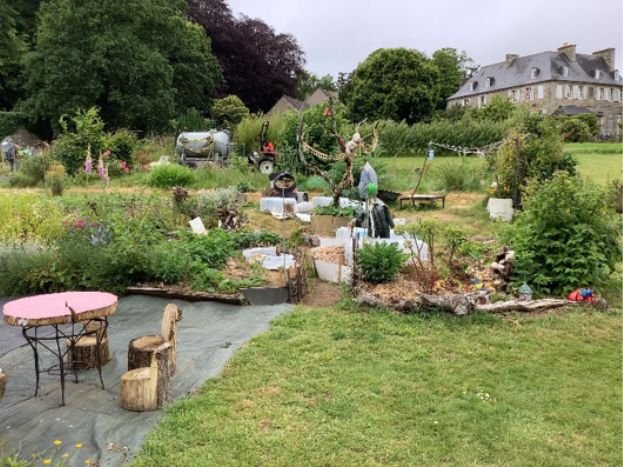
The vegetable garden is located directly on the school premises and covers an area of approximately 100 m². It was designed as an accessible and multifunctional outdoor space.
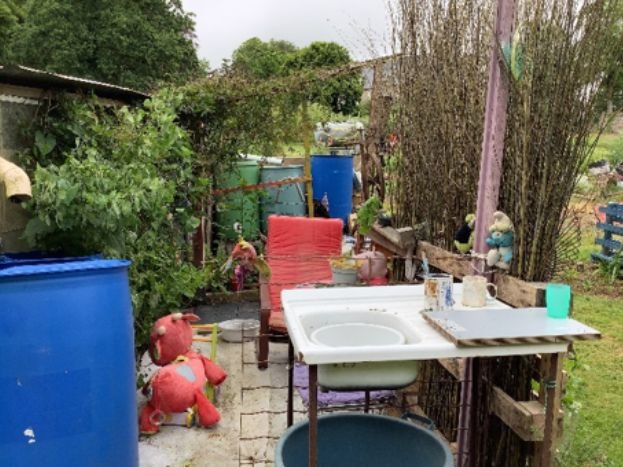
Over time, the space was enriched with a central path, a pergola at the entrance, pedagogical panels, a bench, a birdhouse and the preparation of a wall for a future mural.
Activities in the garden
Pupils were involved in a wide range of gardening activities throughout the school year, adapted to their age and curriculum.
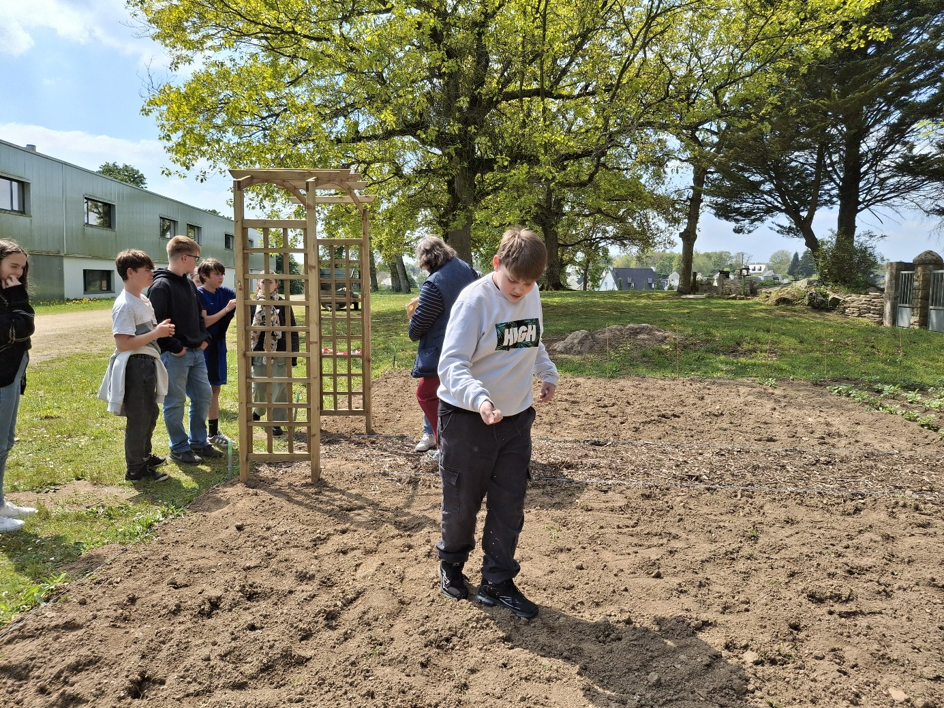
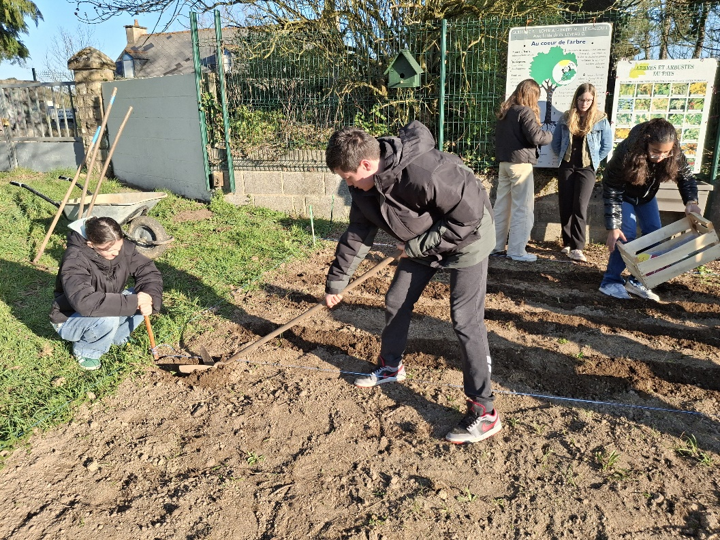
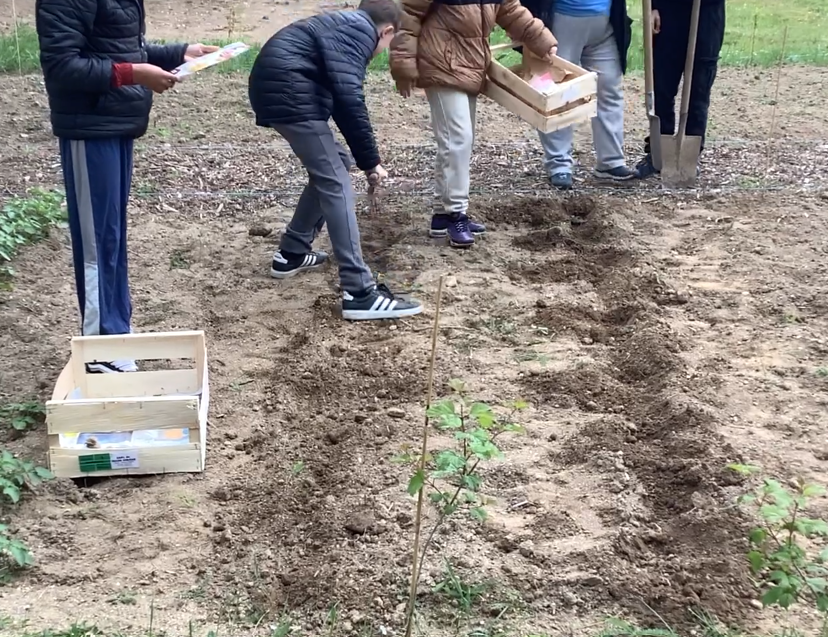
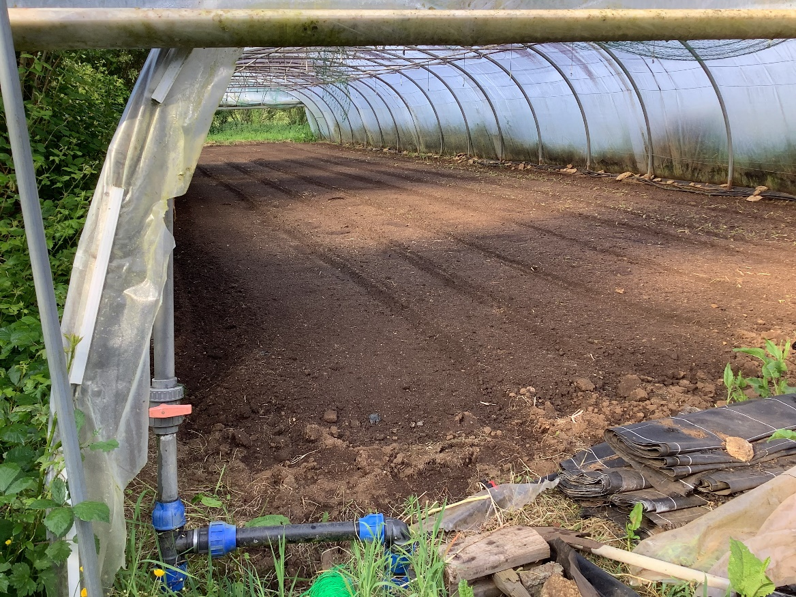
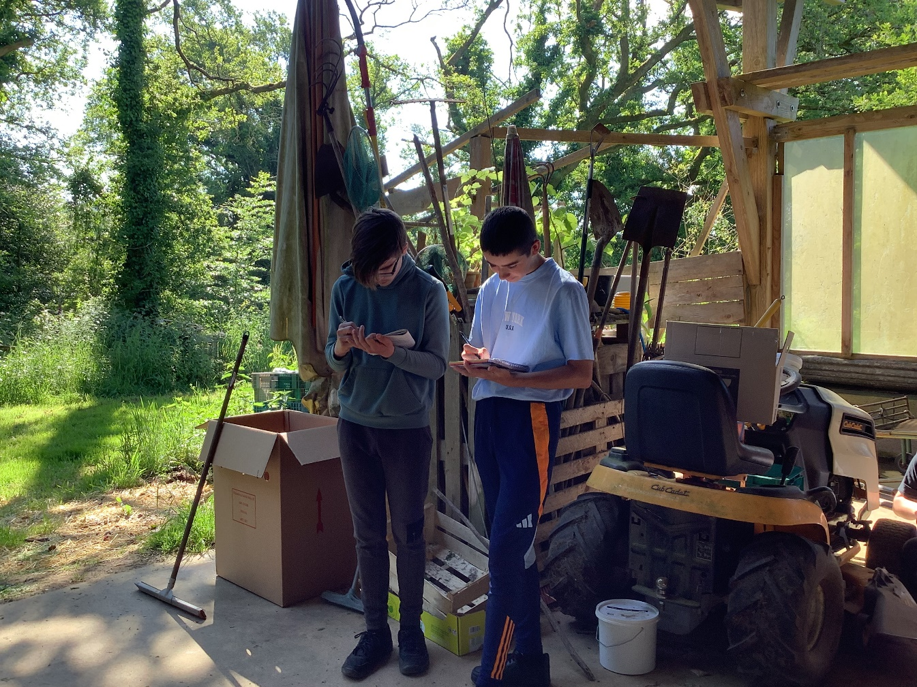
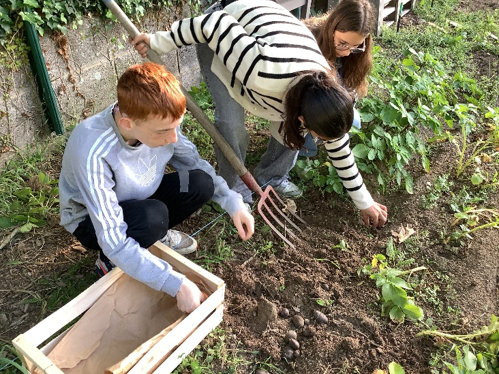
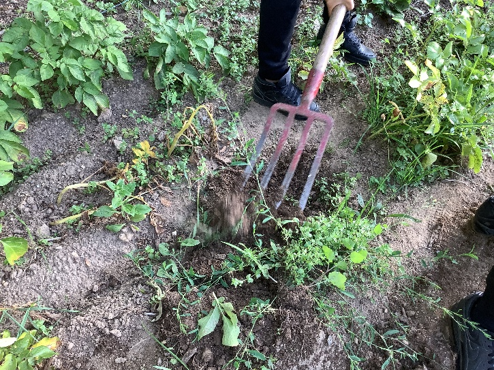
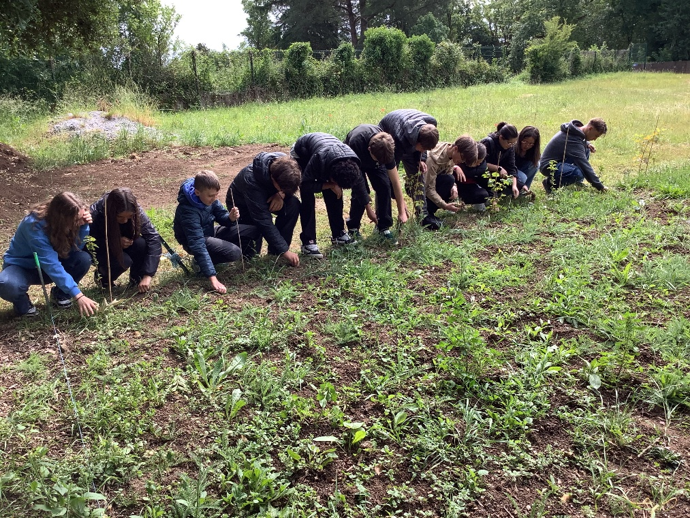
In winter, pupils began by preparing the garden area, turning the soil, adding topsoil and organising the layout of the space.
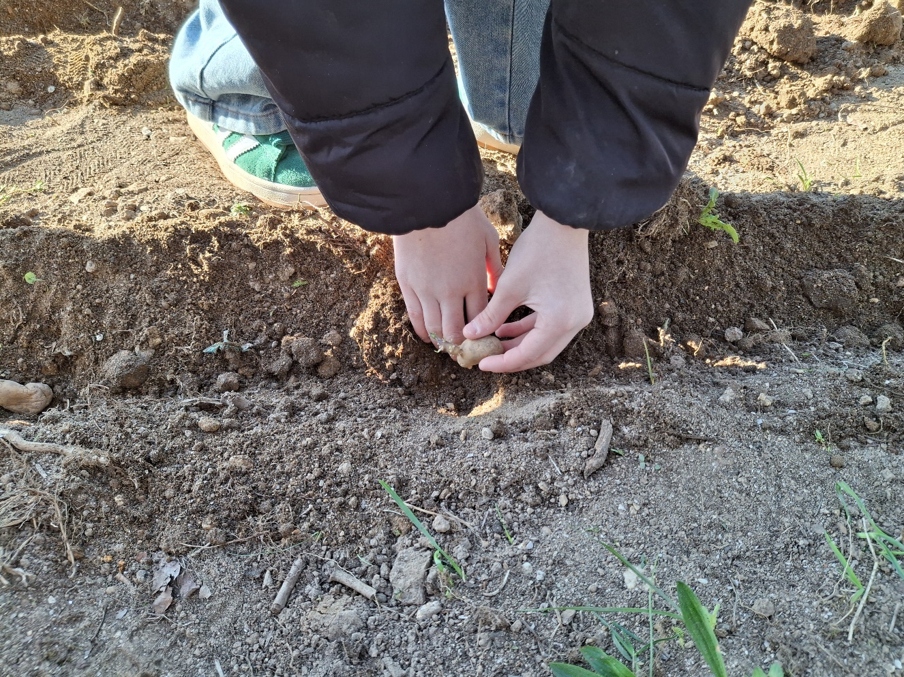
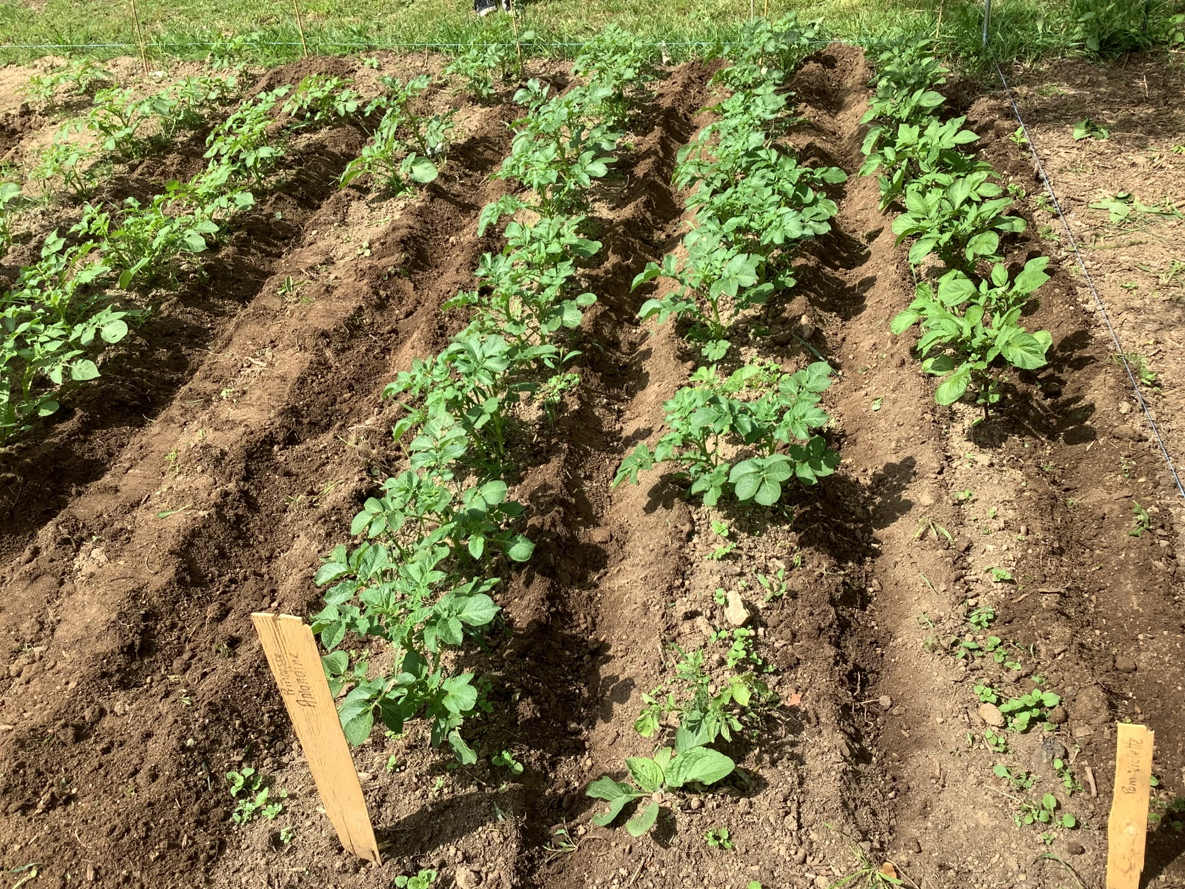
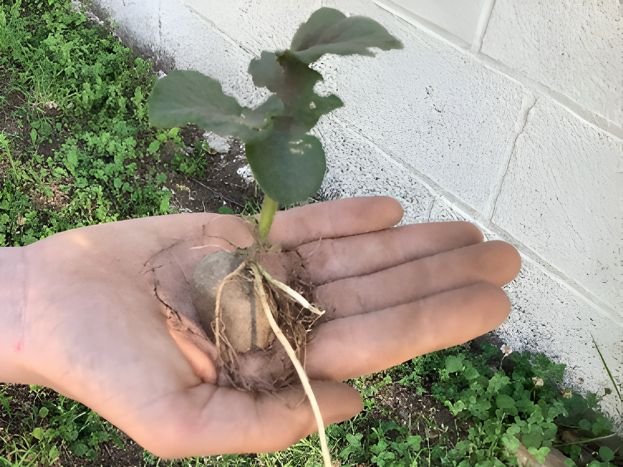
From January to March, pupils worked on the germination of potatoes. In spring, they planted potatoes and sowed other crops such as flax and buckwheat.
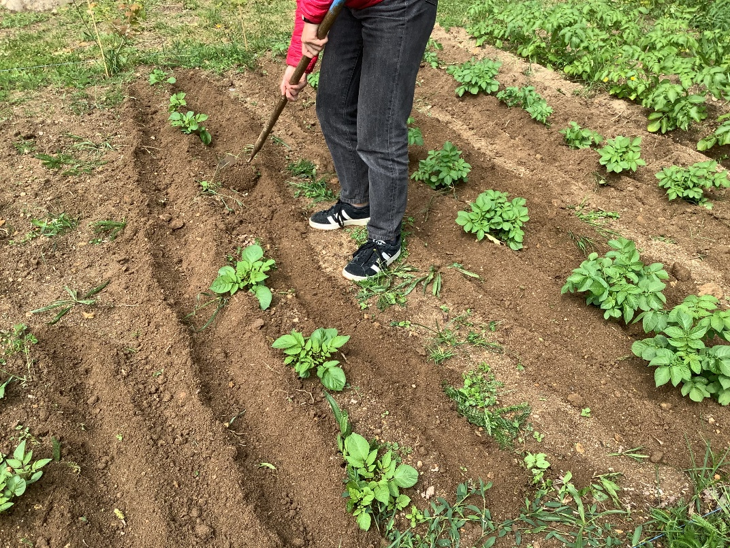
Later in the season, pupils carried out earthing-up of the potato plants and participated in harvesting activities. Compost management was ensured by 3ème SEGPA pupils as an ongoing responsibility.
Crops grown and observed
Throughout the year, pupils cultivated and observed a variety of crops, including:
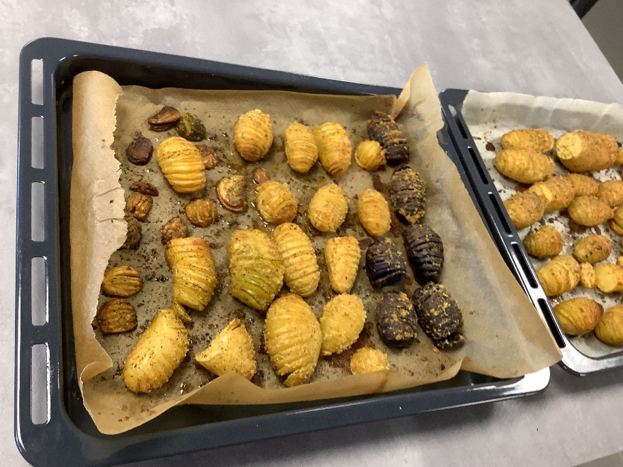
- several varieties of potatoes
- buckwheat
- flax
- squash
Additional crops are planned for the coming period, allowing the garden to continue evolving.
Workshops and complementary activities
The gardening activities were complemented by a wide range of educational visits and workshops.
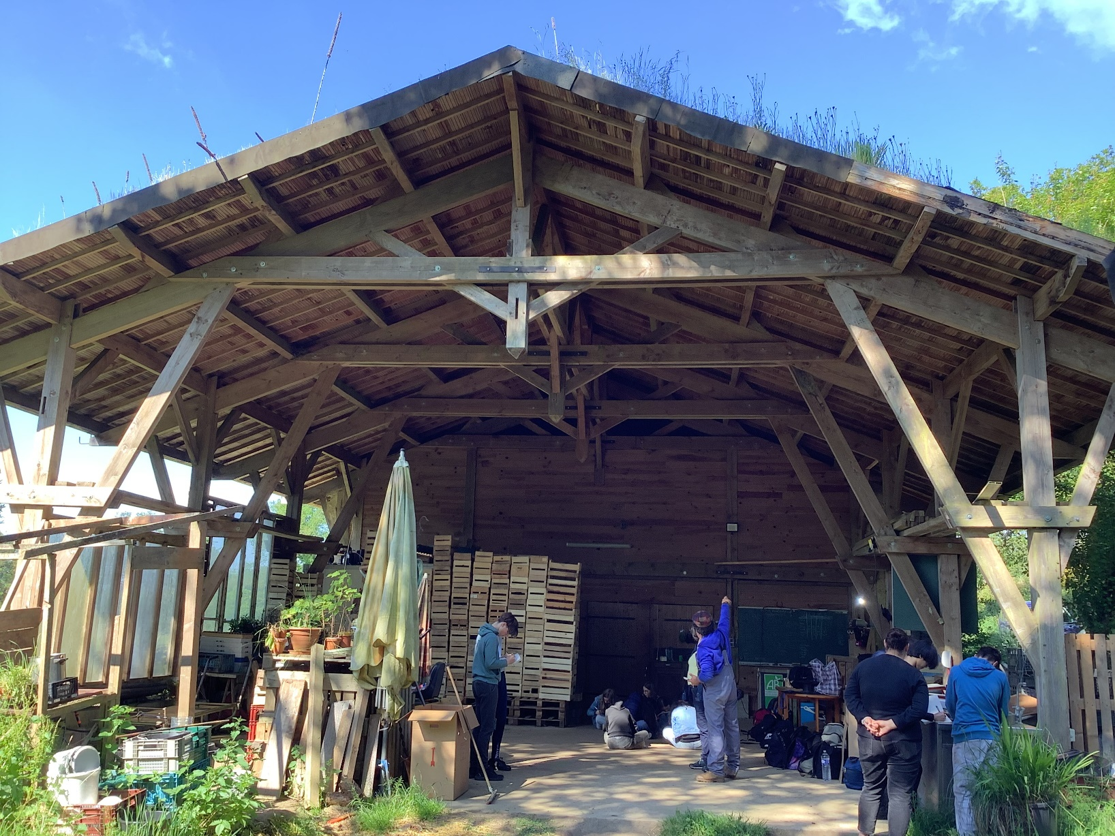
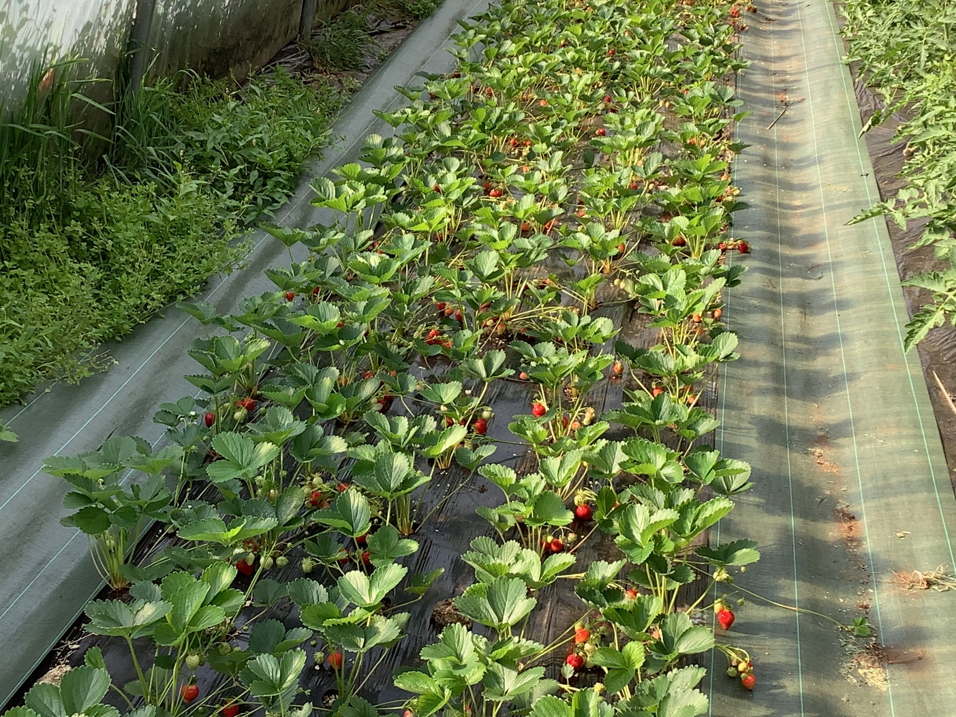
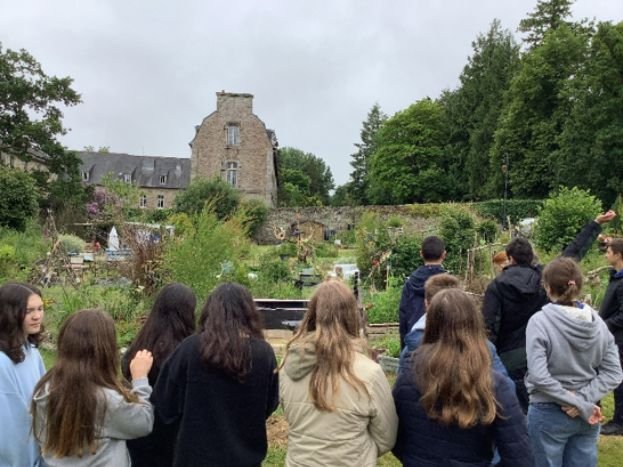
Pupils visited a community garden in Quintin and a strawberry farm in Canihuel, linking school-based activities with local agricultural practices.
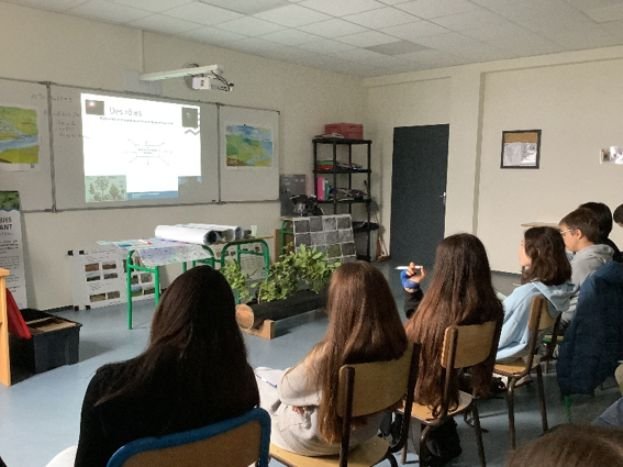
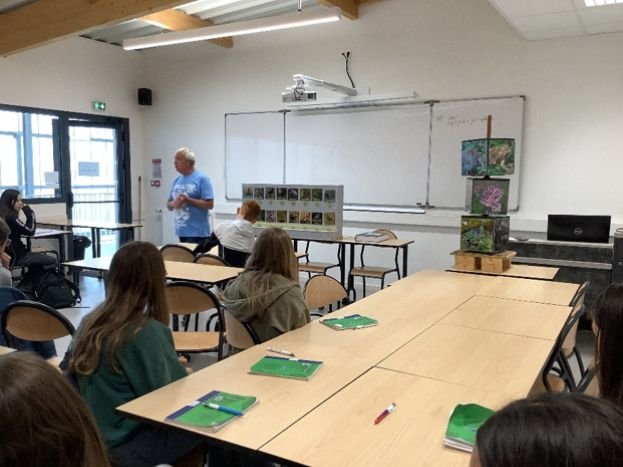
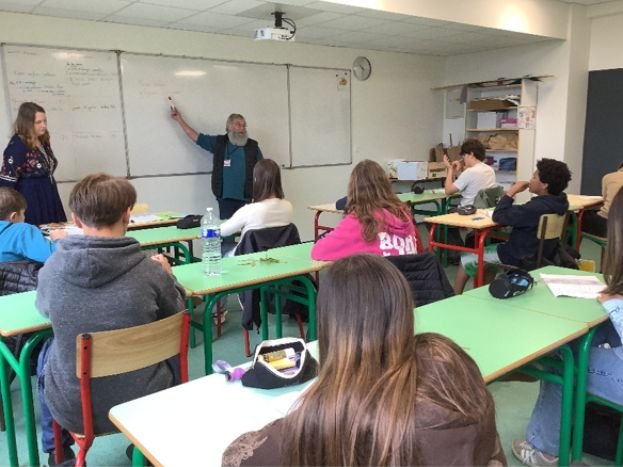
Workshops with an environmental association focused on plants and biodiversity, while additional classroom activities addressed wildlife protection, including insects and birds.
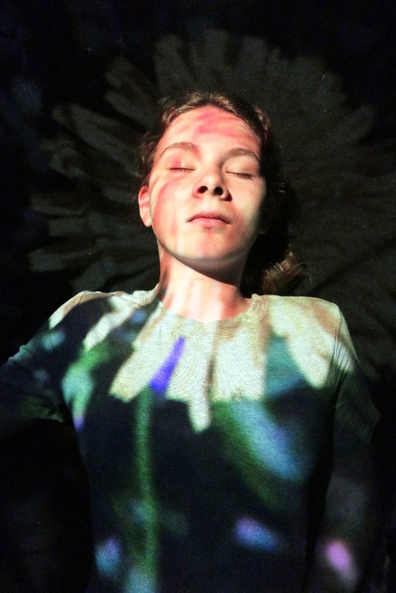
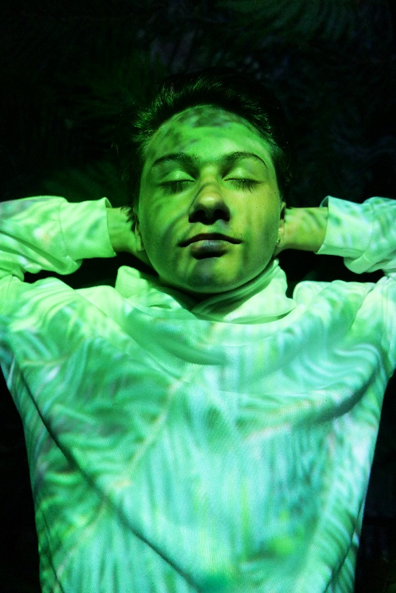
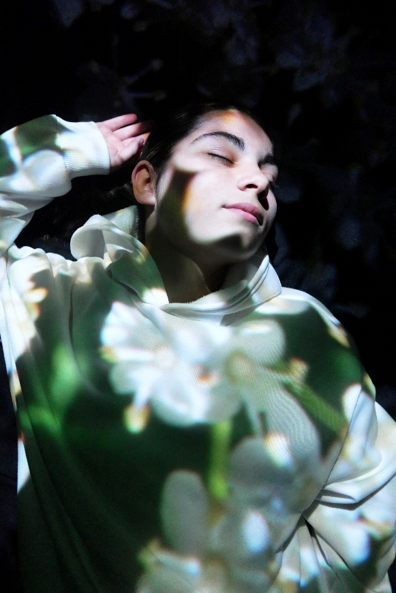
Artistic activities were also closely linked to the project. Pupils created logos during art classes and took part in photography workshops exploring plant forms and camouflage.
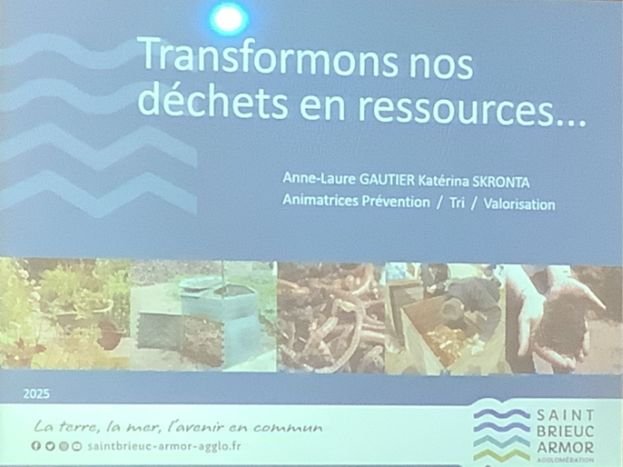
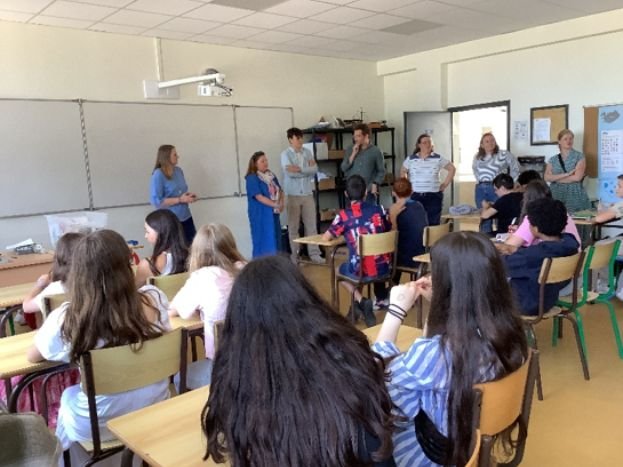
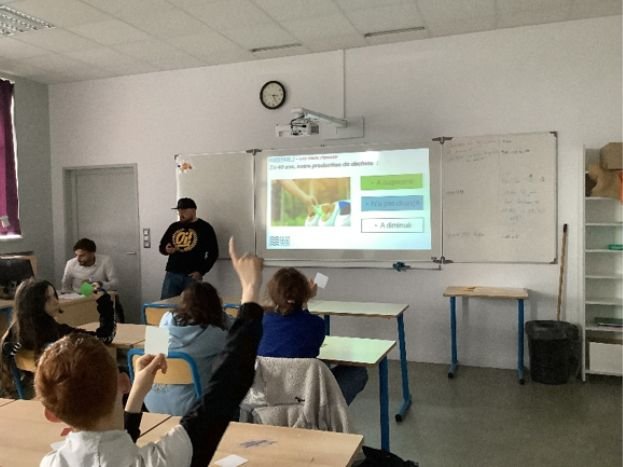
A biodiversity day held in June included conferences and activities related to landscapes, water and waste sorting, reinforcing the environmental dimension of the project.