Romania - Hands-on learning in the school garden
During the 2024–2025 school year, pupils in Romania took part in the creation of a pedagogical vegetable garden as part of the Erasmus+ project “European Heritage – Let’s Cultivate Our Garden, Let’s Share Our Table”. The activity aimed to connect pupils with traditional agricultural practices while promoting responsibility towards nature and sustainable living.
The garden was established in spring and allowed pupils to follow the full development cycle of plants, from soil preparation and planting to care and future harvesting.
Who took part
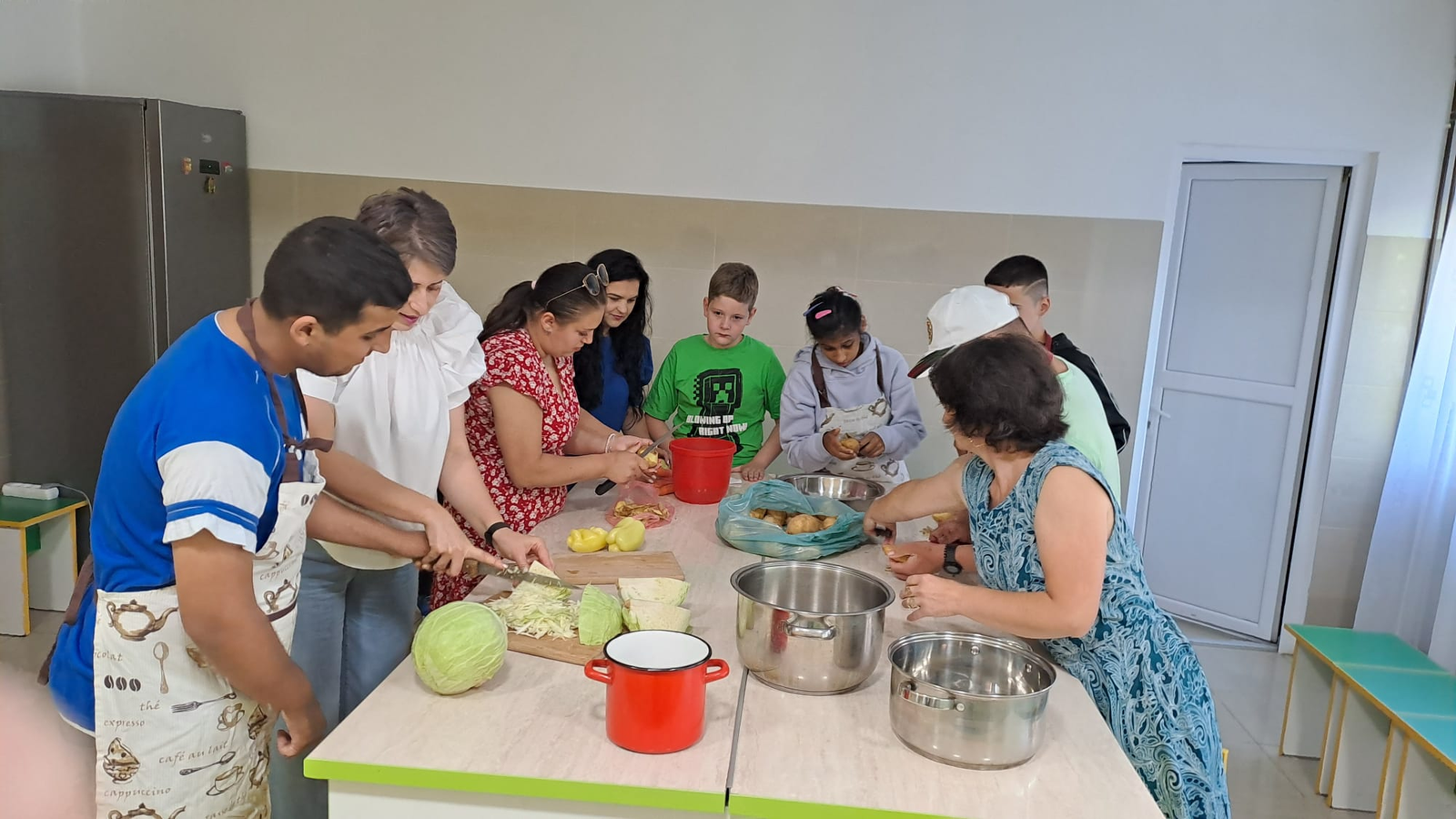
More than 50 pupils and 10 teachers were involved in the design, setup and maintenance of the garden. Pupils actively participated in all stages of the work, strengthening teamwork and cooperation within the school community.
Garden locations
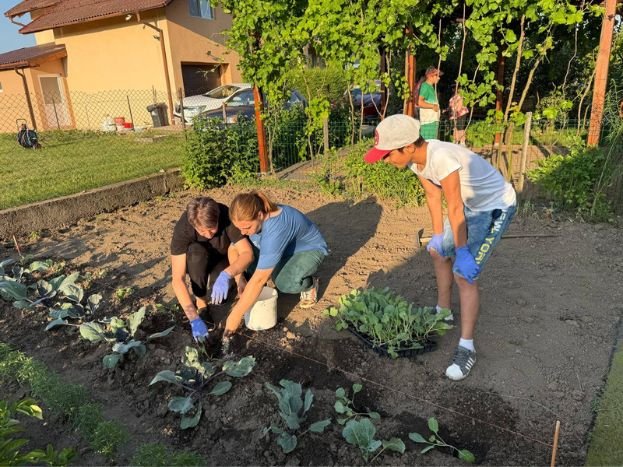
As the school does not have its own land suitable for gardening activities, the vegetable garden was set up in the yard of a teacher’s house, located very close to the school. This solution made it possible for pupils to take part regularly and transformed a private space into an outdoor learning environment.
The garden covered an area of approximately 150 m² and was organised efficiently to support small-scale agricultural activities.
Activities in the garden
Pupils were involved in a wide range of practical gardening activities throughout the project period.
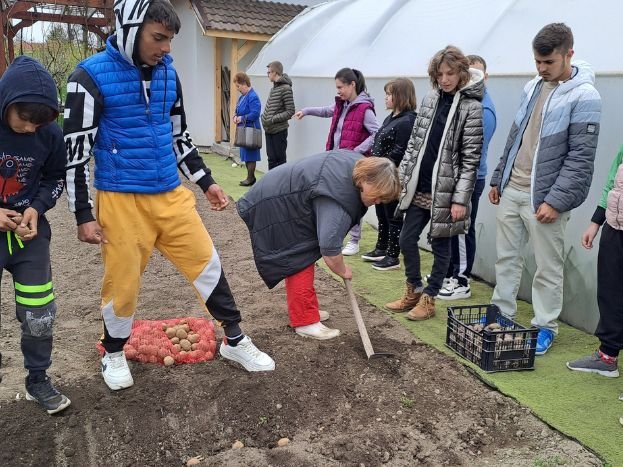
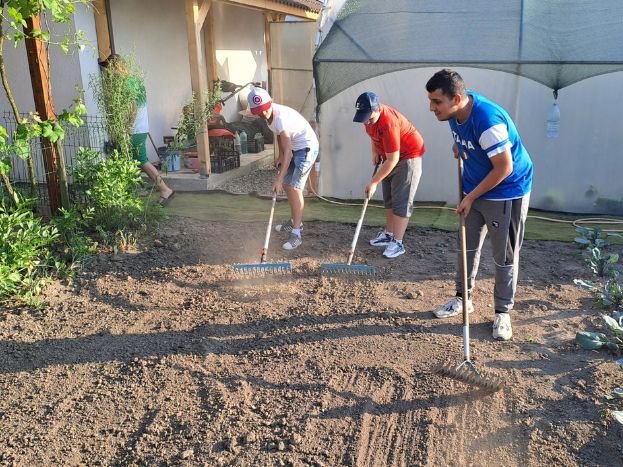
In spring, pupils prepared the soil by clearing the land, spreading manure and breaking up the soil after ploughing.
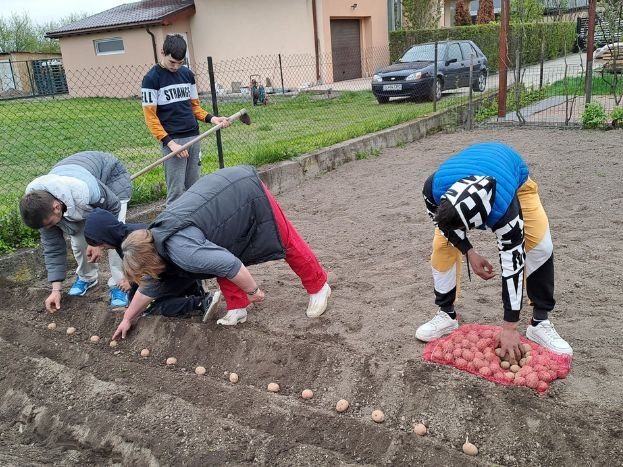
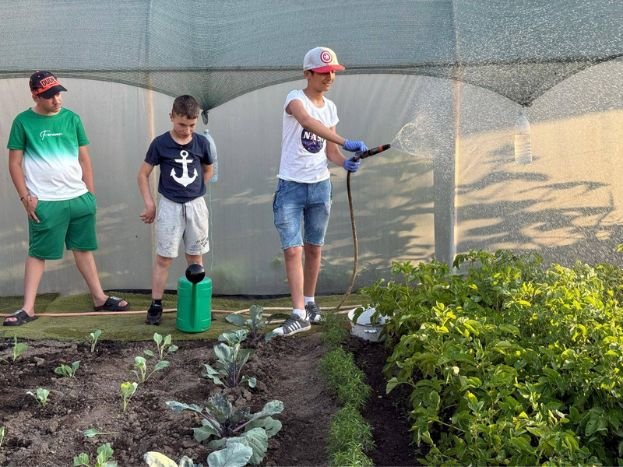
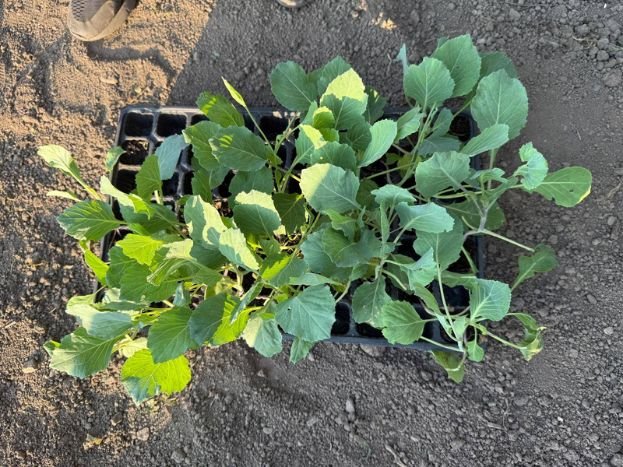
In March, pupils planted potatoes, and in June they planted autumn cabbage. In the following months, they watered the plants, removed weeds and took part in caring for the crops.
Pupils also observed plant development, discussed soil quality, water needs, pests and crop rotation, and worked in teams with shared responsibilities.
Crops grown and observed
During the project, pupils cultivated:
- potatoes
- autumn cabbage
These crops were selected because they are robust, easy to maintain and suitable for active pupil involvement throughout the school year.
Workshops and complementary activities
The gardening work was supported by a range of complementary educational activities.
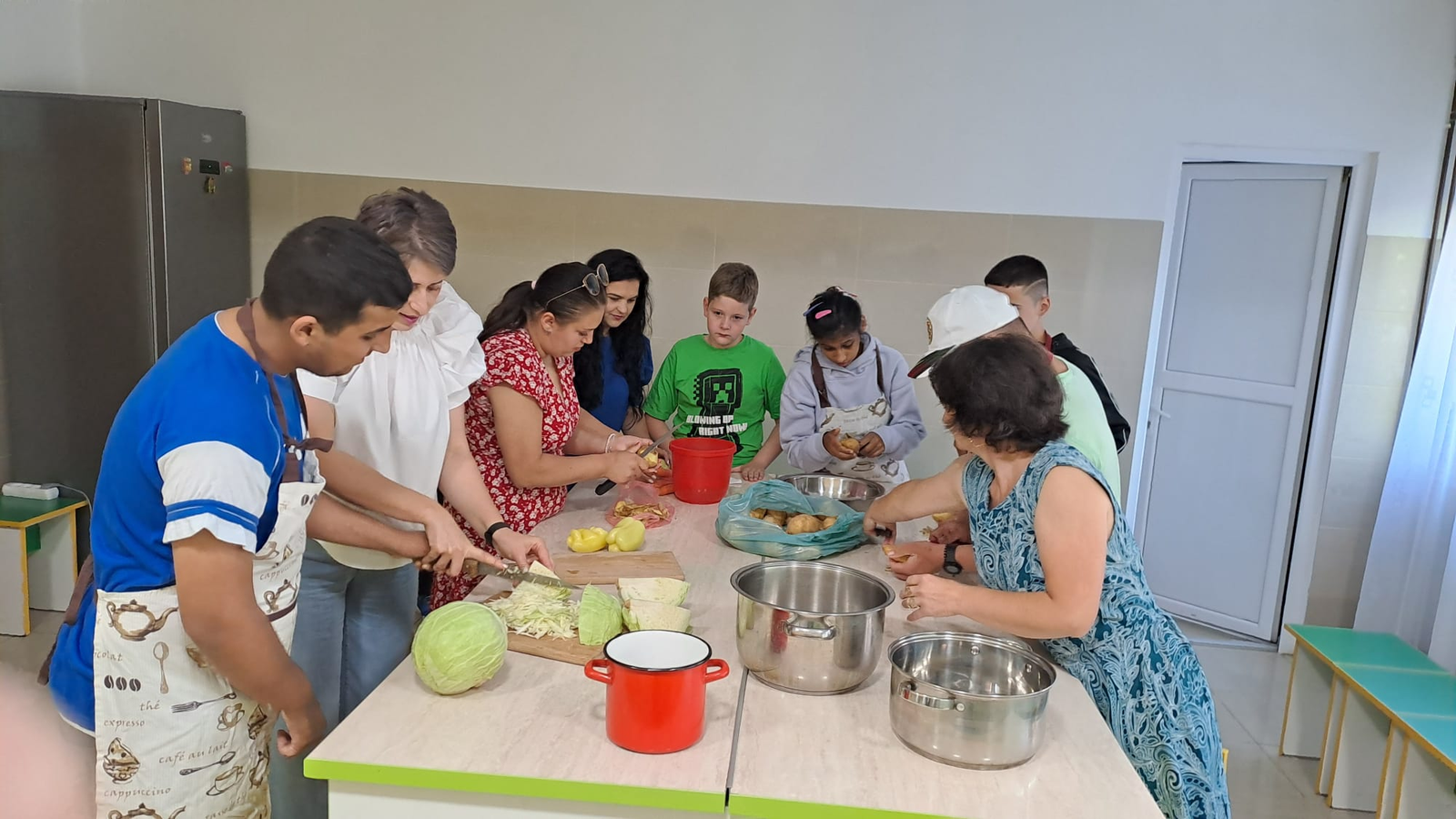
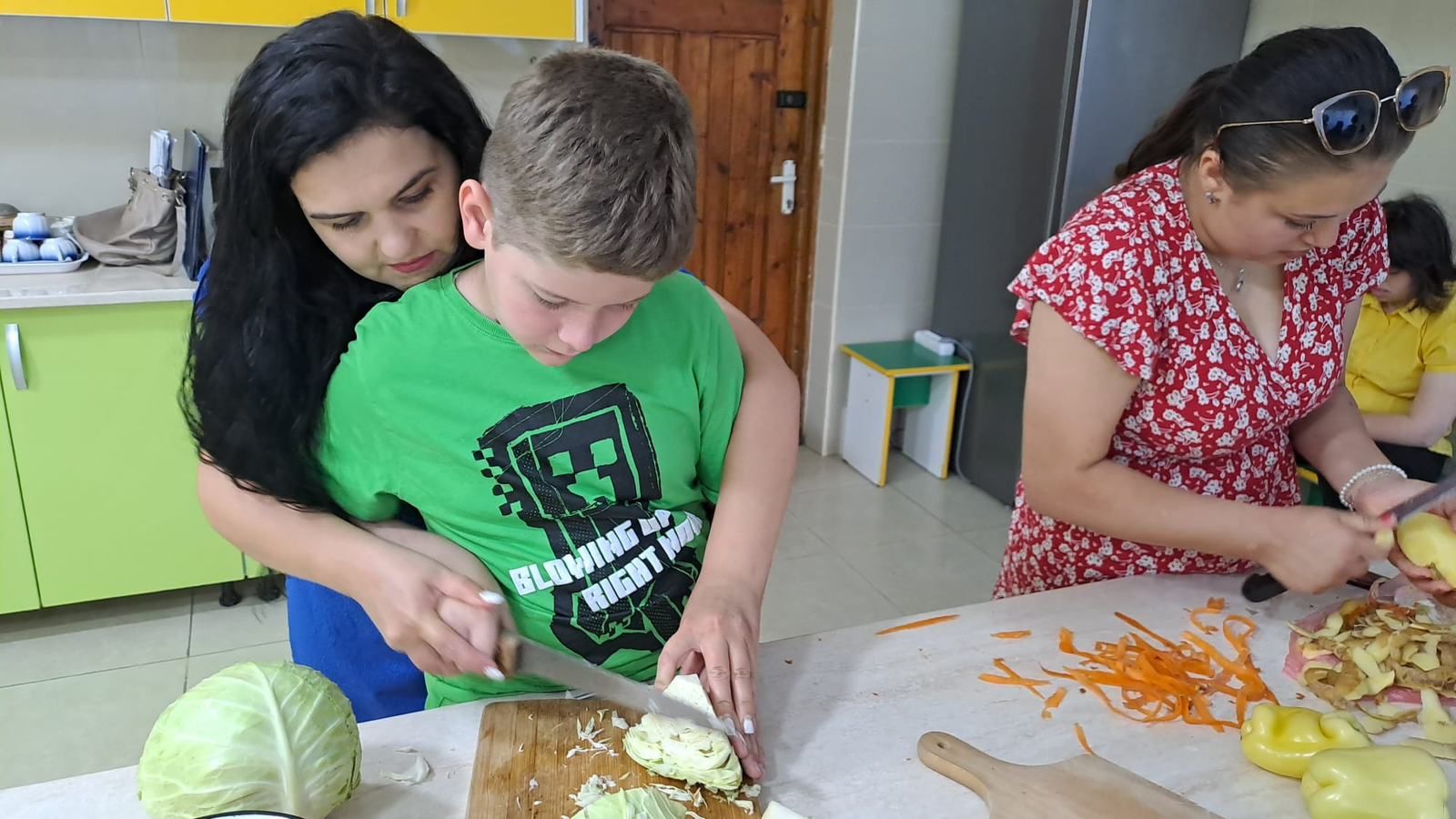
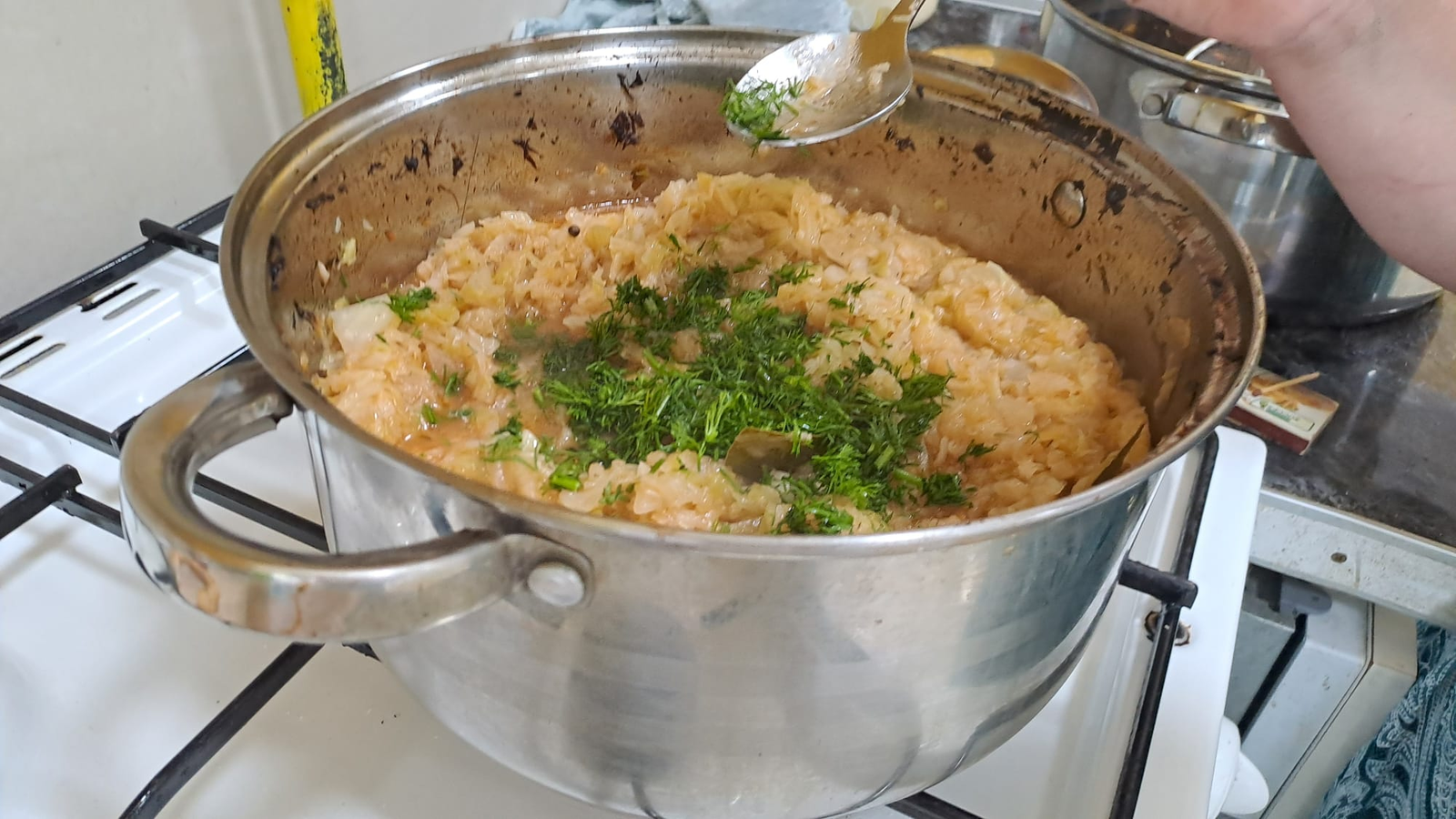
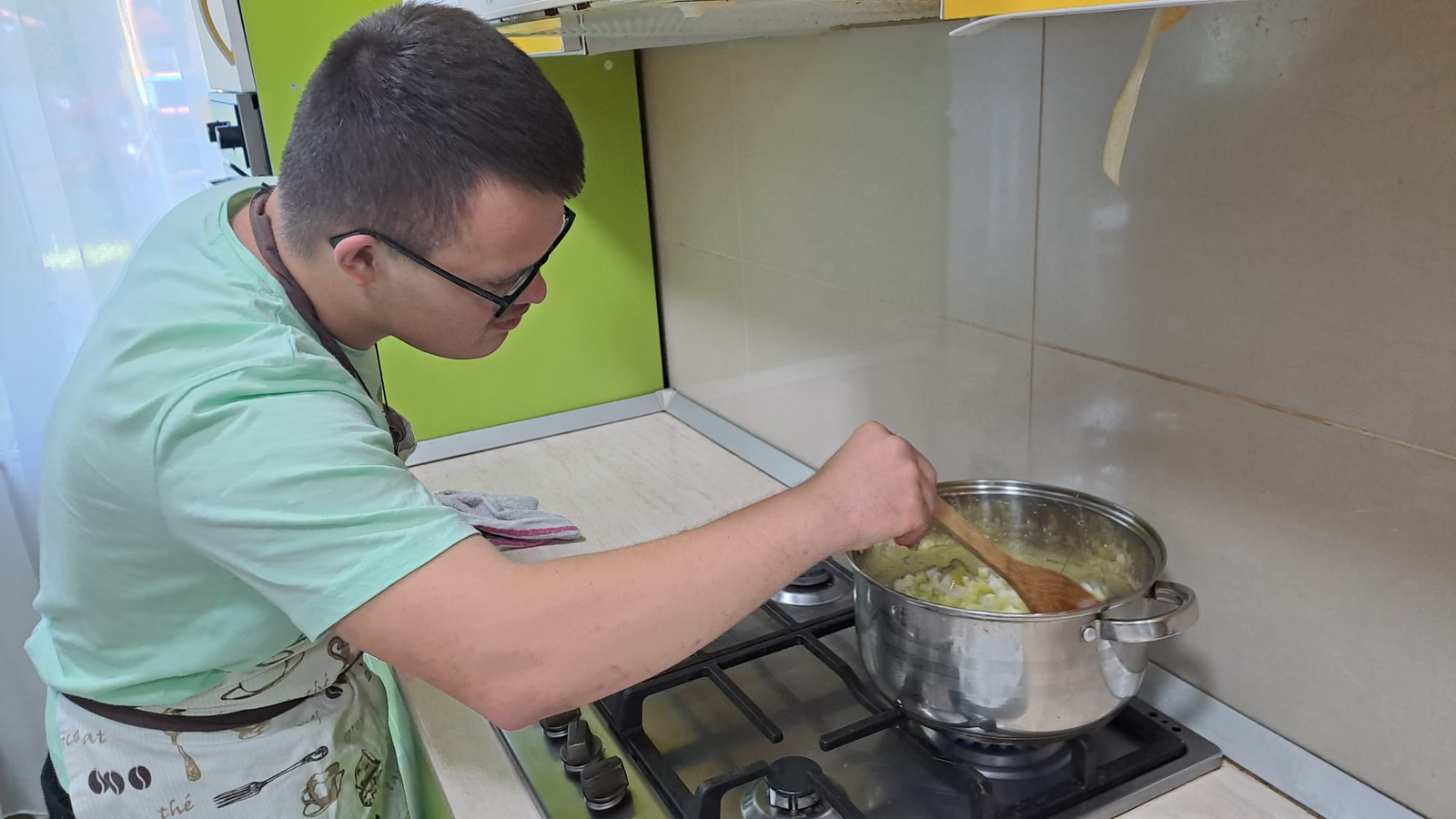
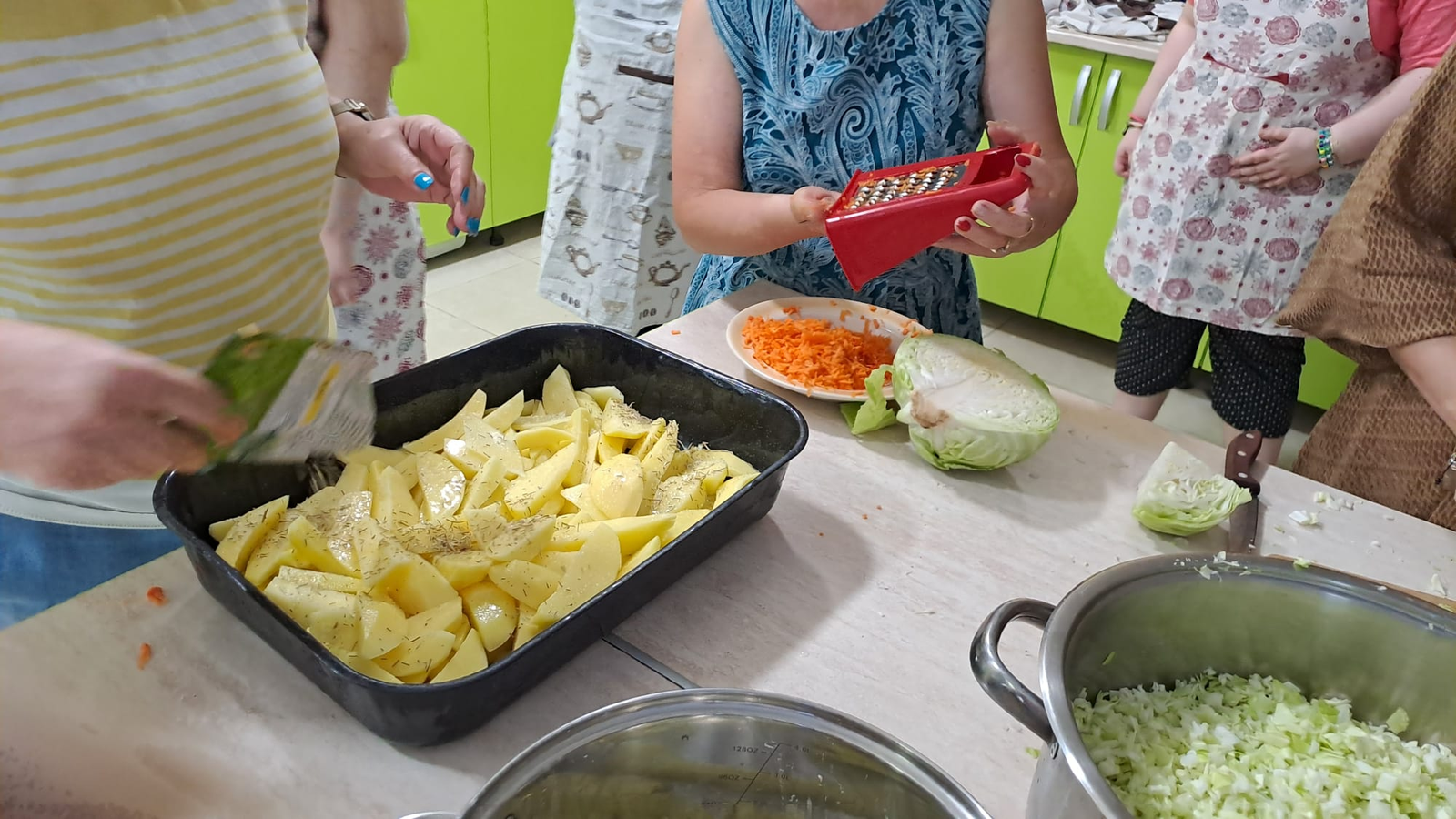
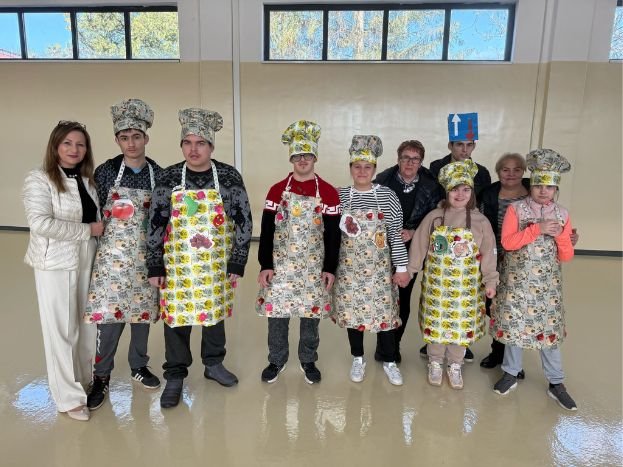
Culinary workshops were organised in which pupils prepared simple, traditional dishes using vegetables, helping them understand the link between cultivation, food preparation and healthy eating.
Creative recycling workshops allowed pupils to produce garden signs and educational posters from reused materials.
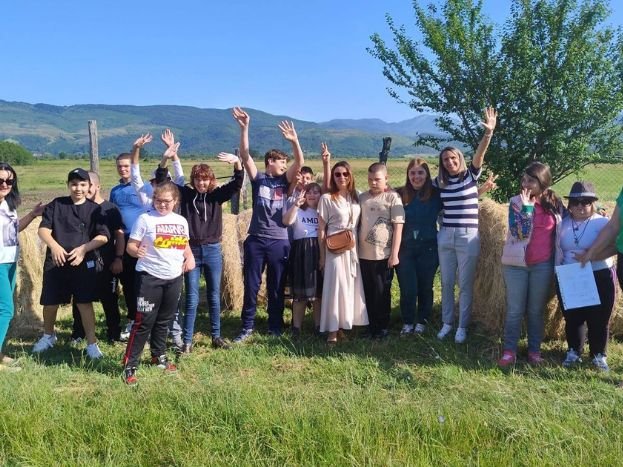
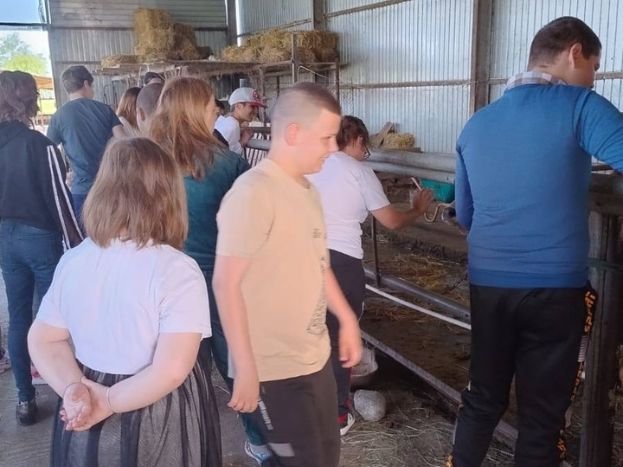
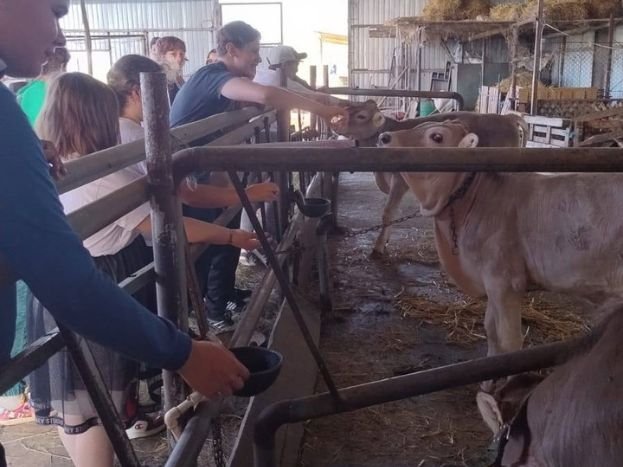
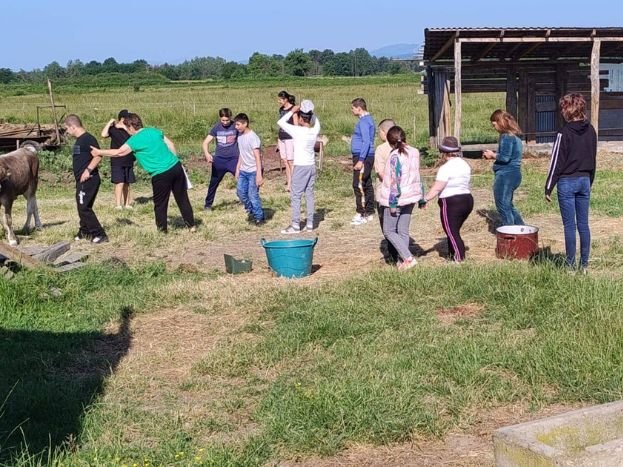
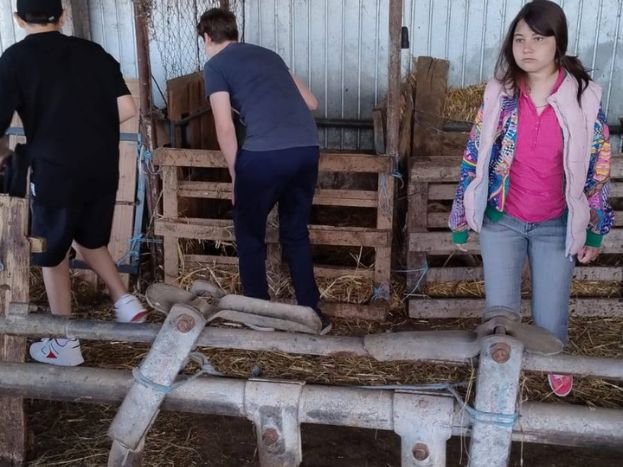
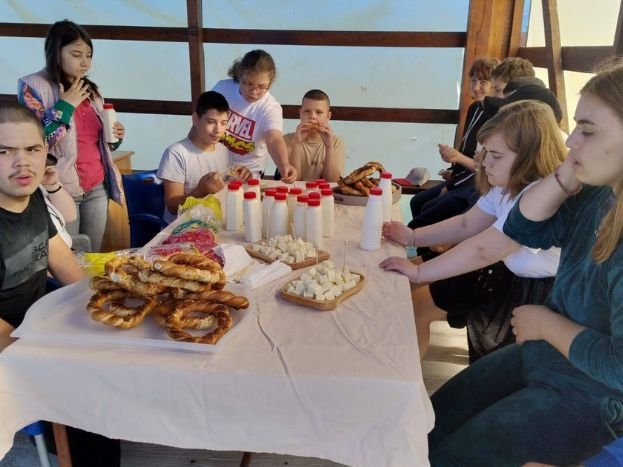
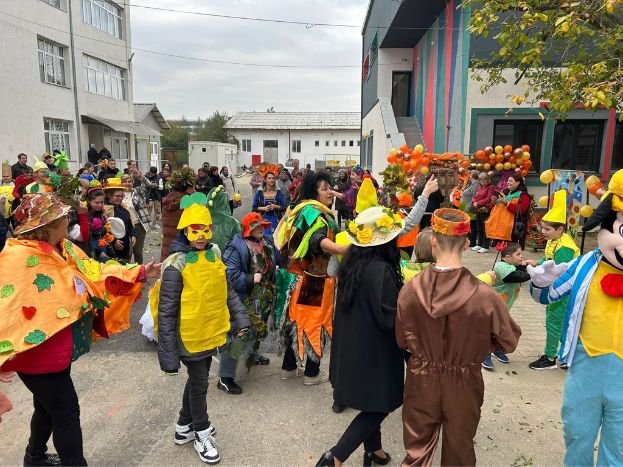
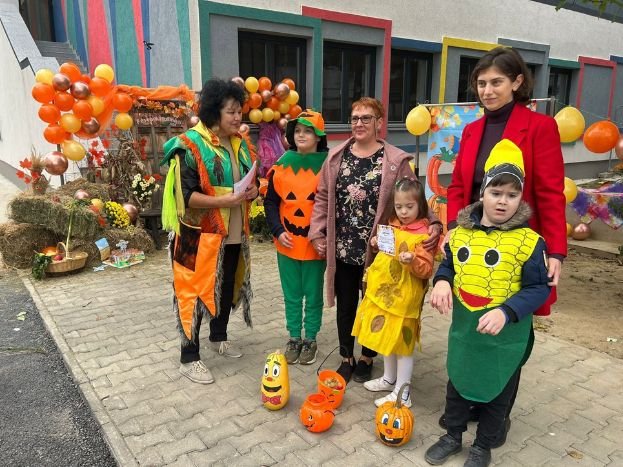
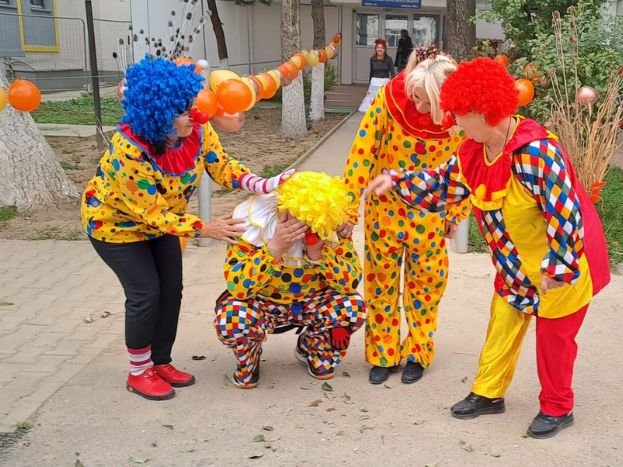
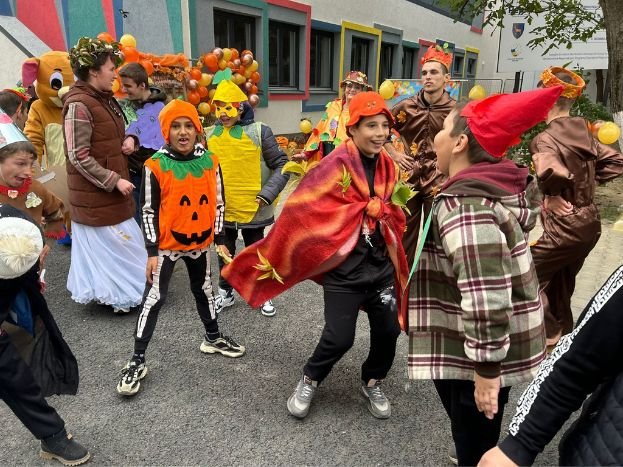
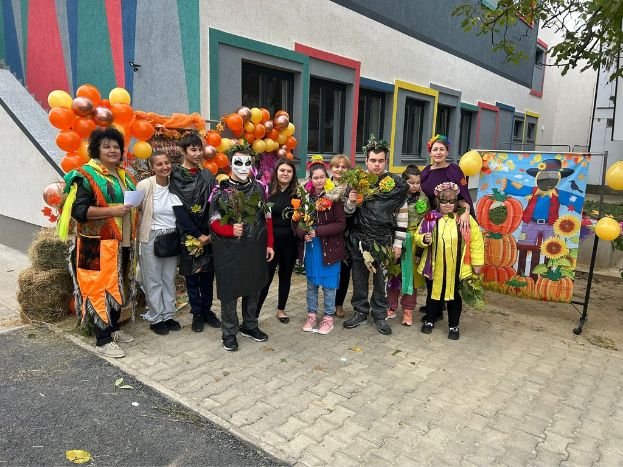
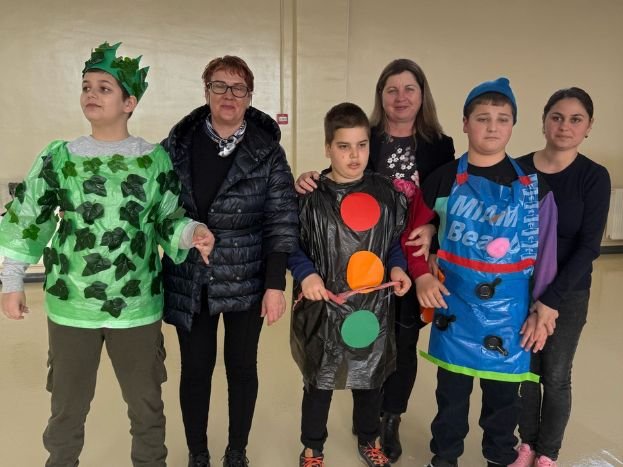
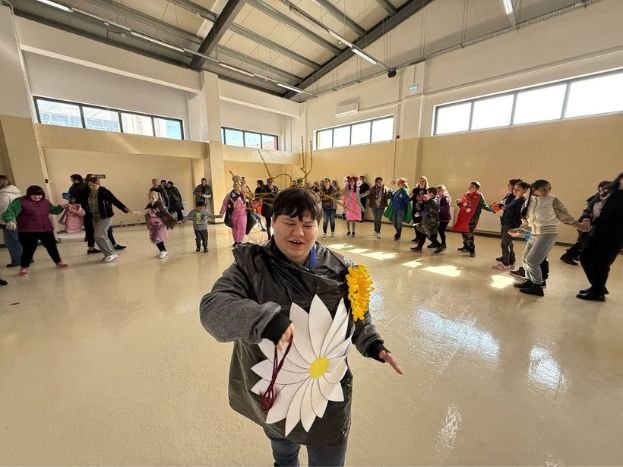
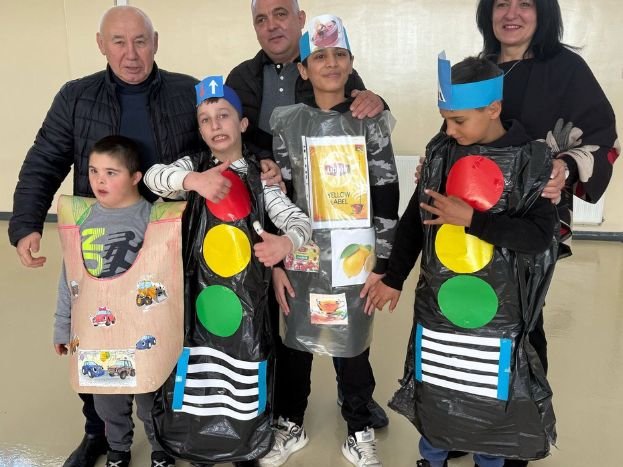
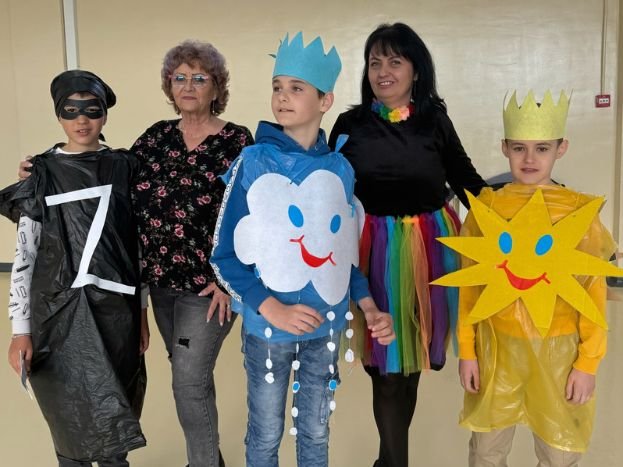
Additional activities included a “Plant Life” workshop focused on the plant life cycle, a Garden Day dedicated to outdoor work and ecological games, a small photo exhibition documenting the project, an Autumn Festival featuring fruit and vegetable costumes made from recyclable materials, and a visit to a local farm.